

The economic costs of the longest government shutdown in U.S. history may pale in comparison to those of a sequel that grew more likely when talks between Democrats and Republicans broke down over the weekend.
Not only would consumer and business confidence likely take another hit, many of the agencies that used available cash to maintain basic operations during the last partial closure would lack the money to do so again, according to Moody’s, the debt-ratings firm that evaluates the creditworthiness of U.S. bonds.
Recommended Stories


Additionally, “federal employees who worked without pay and face the prospect of doing so again in another shutdown could start to take advantage of a historically tight labor market to switch to private-sector jobs,” Moody’s said, and contractors might stop providing tech support and other services to affected agencies.
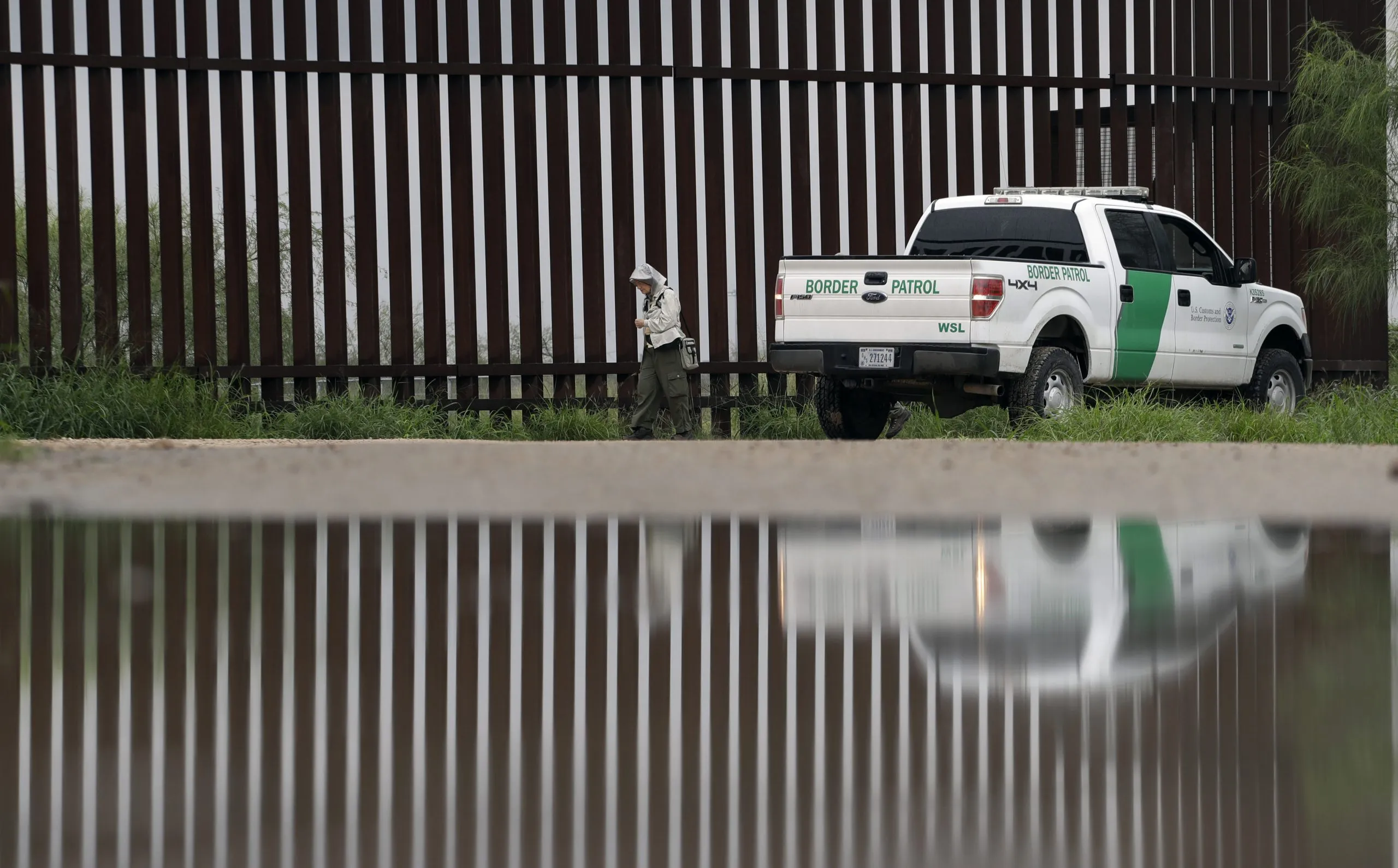
The warning raises the stakes for lawmakers attempting to strike a deal that balances President Trump’s demand for $5.7 billion to build a wall between the U.S. and Mexico and opposition from House Democrats who view the project as both racist and unnecessary.
Negotiations between the two sides reached an impasse Sunday over a proposal by Democrats to cap the number of detention-center beds available to Immigration and Customs Enforcement, which Republicans said amounted to an attempt to cap the number of illegal immigrants the agency could arrest.
“These are people, they kidnap people,” Trump said in a meeting with U.S. sheriffs on Monday. “These are people the Democrats want to come into our society. I don’t think so.”
Less than two months earlier, a similar standoff ended in a partial shutdown that stretched over five weeks after Trump refused to sign any spending bill that didn’t include wall funding, which he said was necessary to fulfill his campaign promise to secure the southern U.S. border.
The partial closure cost the U.S. an economy an estimated $1.2 billion a week, delaying approval of new medicines and reviews of corporate mergers while snarling U.S. air travel with long lines for security checks and lengthy delays between flights.
Trump and lawmakers agreed to fund the affected offices for three weeks, while negotiating a longer-term compromise, after a shortage of unpaid air traffic controllers on Jan. 25 delayed hundreds of flights at two of New York City’s primary airports.
Overall, some 800,000 government employees went without pay for more than a month, with some burning through savings and taking out loans to meet basic living expenses.
“If the stop-gap agreement does not result in a deal for sustained government funding for the fiscal year and the government shuts down again, there could be a more severe impact,” Moody’s warned.
While U.S. stock markets have climbed since the shutdown ended, with the three most widely followed indexes each gaining more than 2.5 percent, an adverse reaction to another closure could “have significant ramifications,” Moody’s said.
If lawmakers, who reportedly planned to meet Monday afternoon, can’t reach an agreement by Wednesday, the odds of another shutdown increase, said Chris Krueger, an analyst with Cowen Washington Research Group, which has tracked federal policy for more than four decades.
No votes were scheduled in the House on Tuesday, he noted, to give members a chance to attend the funeral of former Rep. John Dingell, a Michigan Democrat who served for about 60 years and died Thursday at age 92.
“Thursday is Valentine’s Day, and Congress is not known to generally run through the tape on Fridays,” Krueger added. “The current position seems to be a deal to fund the government to Sept. 30 or shut down. No short-term punt is pending, though the potential for a short-term punt of less than a month likely increases the closer we get.”
