

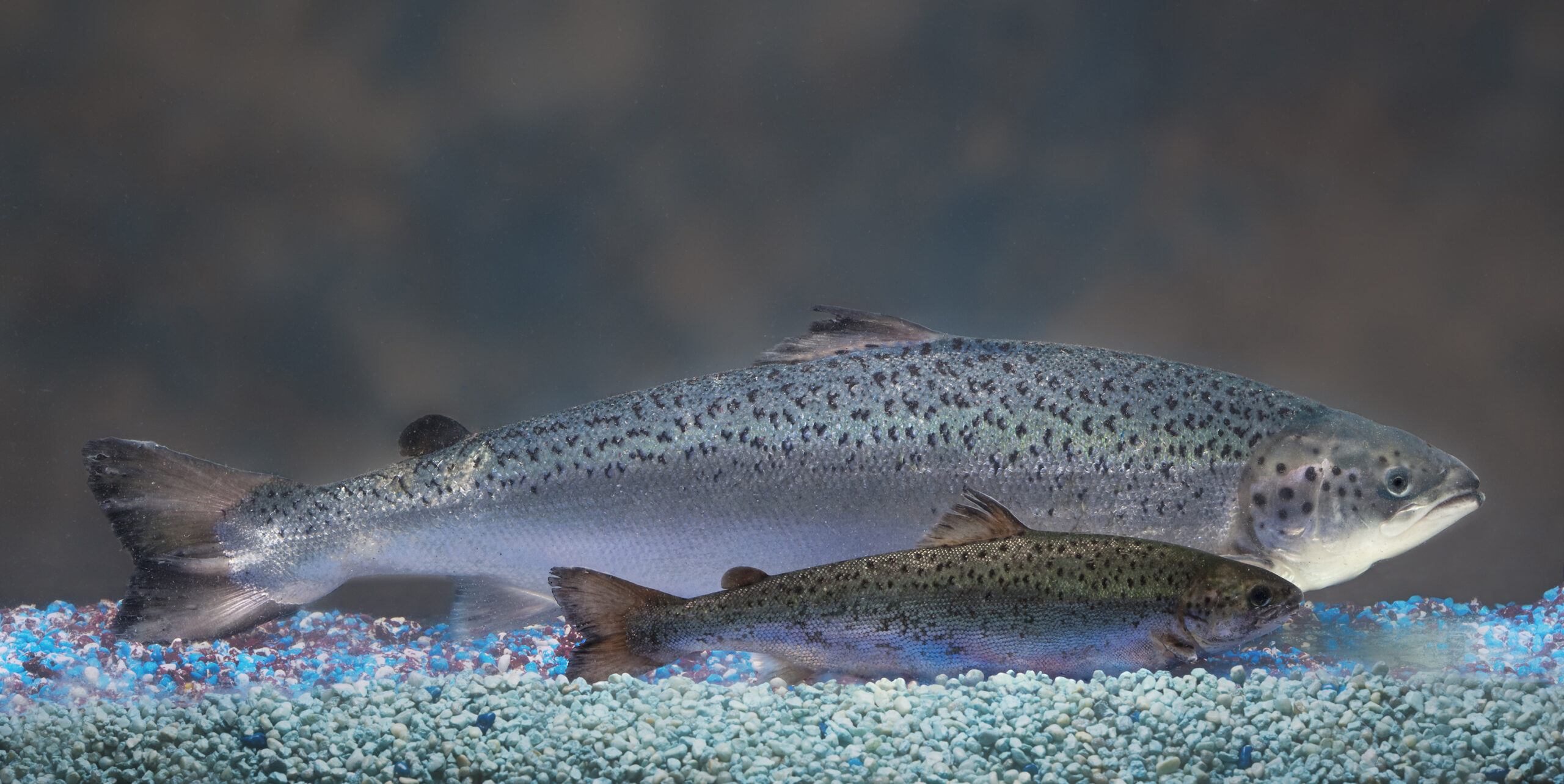
BRUSSELS (AP) — Visions of chlorine-drenched chickens and the prospect of genetically modified “Frankenfood” invading dinner tables across the European Union are proving serious impediments to the signing of a sweeping free trade agreement between the United States and the 28-country bloc.
Optimism that negotiations, which marked their first-year anniversary this week, would lead to a deal to create a trading bloc of 800 million people representing around half the world’s economic output have faltered amid growing public opposition. Suspicions toward the U.S. following a spying scandal and electoral considerations on both sides of the Atlantic have also not helped to foster progress.
Stay informed.Stay ahead.
Join Washington Examiner for unlimited access to the news, analysis, and commentary that matter most.
Already a member? Log in
