
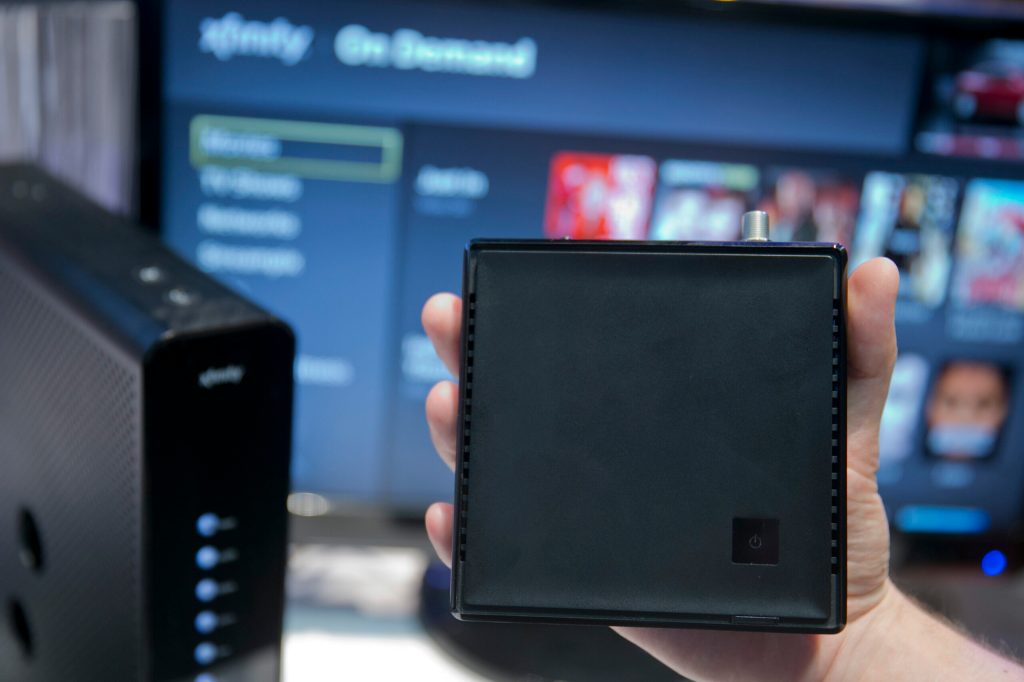
Unlocking the cable box will help minority programming to thrive

Twenty years ago it was an uphill battle to give African Americans access to previously unavailable video programming in education, health, culture and politics. Despite the challenge, I founded the Black Education Network, just as passionate then as I remain today that there was a desire for uplifting and diverse programming and that it would be beneficial inside black households.

Black Entertainment Television, then primarily a music and comedy channel, was the single alternative. In my mind this was simply not acceptable. Families deserved more choices. But in 1996 cable systems made it virtually impossible to enter, and in 2016 the outdated cable box model continues to exert massive control over what kind of video programming African Americans can watch on their televisions. Considering how technology has advanced with streaming services and smart TVs, it shouldn’t be this way, and the Federal Communications Commission now has an opportunity to finally fix this problem.

When competition opens up, companies commit the time and investment to innovate, choices for customers then become more expansive, and ultimately prices go down. This happened with cell phones, laptop computers, televisions and tablets. And despite a law passed by Congress twenty years ago directing the FCC to establish rules to ensure consumers have more choices in the market, pay TV prices have gone up and consumers remain locked into lease agreements for proprietary set top boxes. Today 99 percent of homes are still paying hundreds of dollars each year to rent a required cable box, raking in $20 billion in annual rental fees for these companies. Consumers are clearly paying more, but in return they are unfortunately getting less.

In 2016 we should not be forced to juggle more than one remote control to change television inputs and change devices just to access online streaming services like Netflix and Hulu. Neither should we be forced to search for other video content just because the cable or satellite company won’t integrate these services into their set top boxes.

It is disingenuous to argue that programmers — specifically those that cater to minorities – will be harmed by the FCC’s plan to unlock the set top box. The truth is that the pay TV channel guide and lineup will be left unchanged as a result of this FCC proposal. If a channel has negotiated marquee placement and promotion with Comcast, Time Warner Cable or DirecTV, its business agreement with the company will remain fully intact. What changes is that streaming channels not on TV today would be more easily accessible to their subscribers and therefore would have a better chance than I did in 1996 with the Black Education Network to reach an audience.

When every effort of ours failed to get BEN into cable systems, we realized that our best and only option was to become an online streaming company. Still in the early days of streaming, we faced challenges that ultimately we could not overcome. But fortunately today technology is more accessible and easier to share. High-quality video can be produced and edited with smartphones, which means streamers have a better chance at success and this success is a decision made by consumers, not pay TV companies. The way it should be.

Had the proposed set of top box rules been in place fifteen years ago, we would have had a much better chance at success. We would have had access to millions of viewers, an ability to charge for content and the opportunity to compete as equals in the video programming marketplace. Our programming on health care would have saved lives. Our educational content would have inspired many who would be among today’s greatest achievers.

There is something terribly wrong with a media system where one or two companies have the power to deny the African American community access to programming about education, health care and public policy. Fortunately, the Federal Communications Commission will meet today and will vote to begin a rulemaking that can provide our country’s diverse and independent video programmers and technology entrepreneurs an open media platform that will free us from our big cable past.

Stephen Davis, founder of Black Education Network, is CEO of New England Broadband. Thinking of submitting an op-ed to the Washington Examiner? Be sure to read our guidelines on submissions.

Related Content