
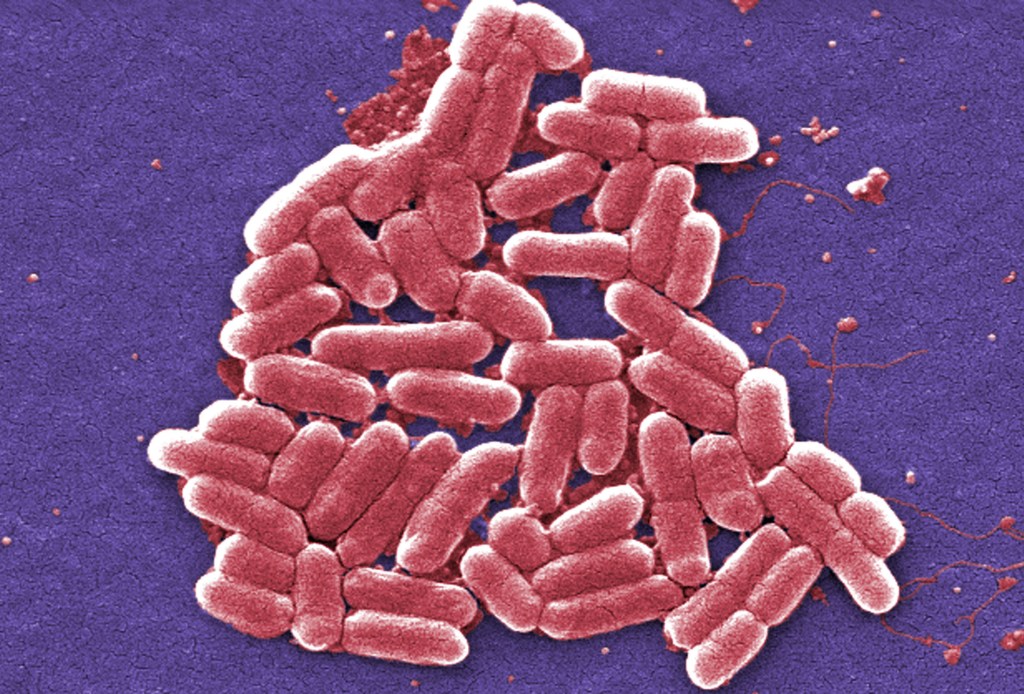
The federal government is mobilizing to try to stop the spread of a deadly superbug that can’t be killed by antibiotics and was found in the U.S. for the first time.
The Centers for Disease Control and Prevention said Tuesday it is working with the Department of Defense and local health agencies to identify people who may have come into contact with a Pennsylvania woman who came down with the version of E. coli. No other cases have been identified in Pennsylvania or in other parts of the U.S.
Real journalism.Trusted by millions.
Unlimited access to in-depth reporting, expert analysis, and the stories that shape our country.
Subscribe Now
Already a member? Log in
Print subscriber? Click here to login/register your account
Digital subscriber? Click here to login/register your account.