

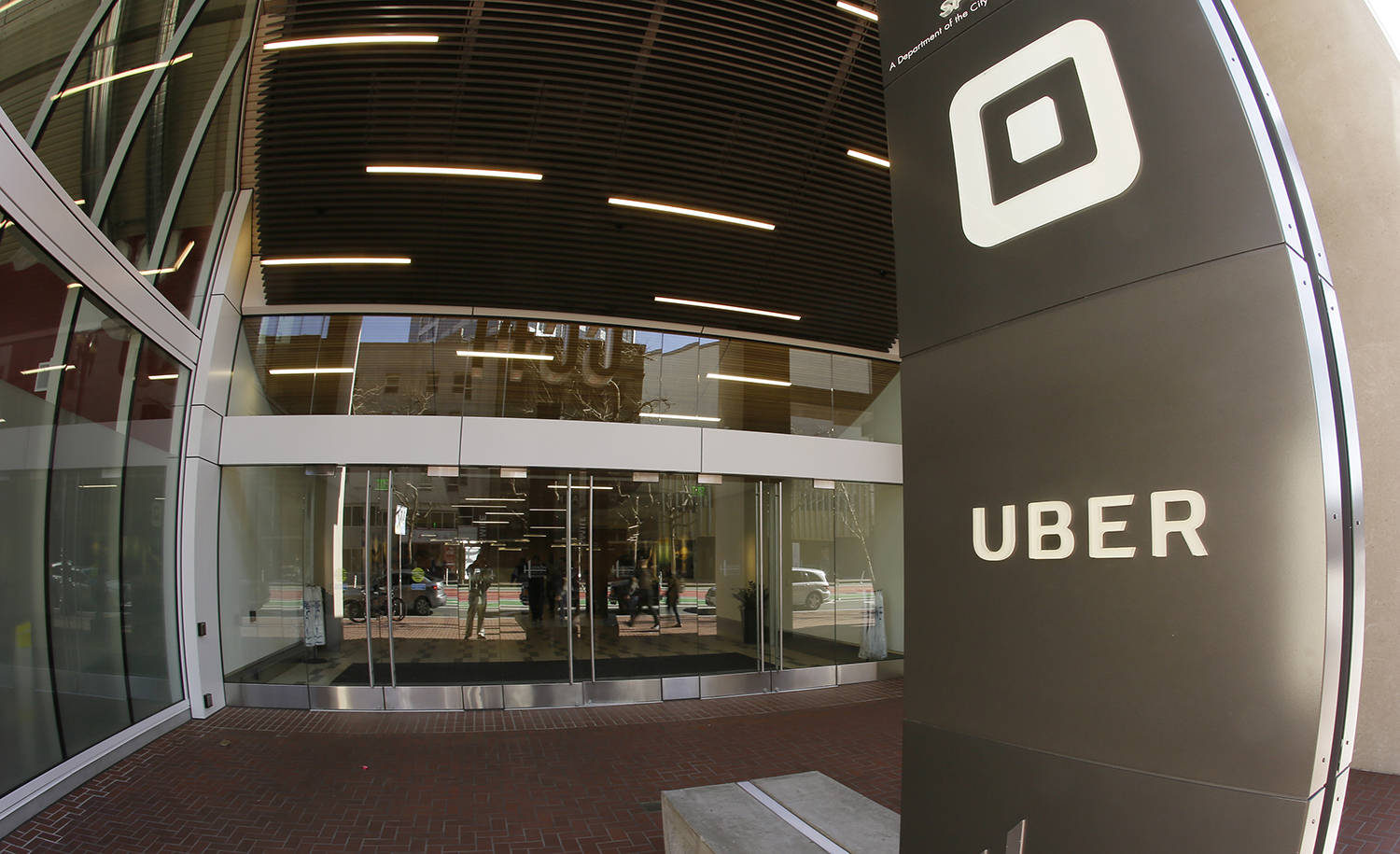
The New York Times ignited a small firestorm when it reported on Friday that the ridesharing firm Uber has used a software program called “Greyball” to protect its drivers. The controversy comes from how the program helped Uber drivers avoid stings set up by police and taxi regulators before ridesharing was fully legalized in most cities and states. Often the consequences of these stings were hefty fines: $1,650 for one poor driver snared in Washington, D.C., and Los Angeles charged another driver $1,000 to release her car from their impound lot.
In multiple cities — Dallas, Tampa, and Philadelphia to cite a few — the stings to catch drivers illegally transporting passengers for a profit were actively assisted and applauded by local taxi companies. This shouldn’t be at all surprising. Recent research by myself, Matt Mitchell and Chris Koopman illustrates how for more than 80 years taxi regulations have created barriers to entry for new entrepreneurs. Taxi special interests have always opposed new competition that would threaten their government-granted monopoly power. The industry offers some of the worst examples of regulatory capture.
Stay informed.Stay ahead.
Join Washington Examiner for unlimited access to the news, analysis, and commentary that matter most.
Already a member? Log in
