THIS MONTH, Syria has been in the headlines in Washington. First, there was the ill-fated early April visit of House Speaker Nancy Pelosi to Damascus. Then last week, American-Syrian businessman Abe Soleiman traveled to Jerusalem pitching an unauthorized plan–according to Damascus–for renewed peace talks between Syria and Israel. And this week, Syrian President Bashar Assad threatened war with Israel if a peace agreement is not reached.
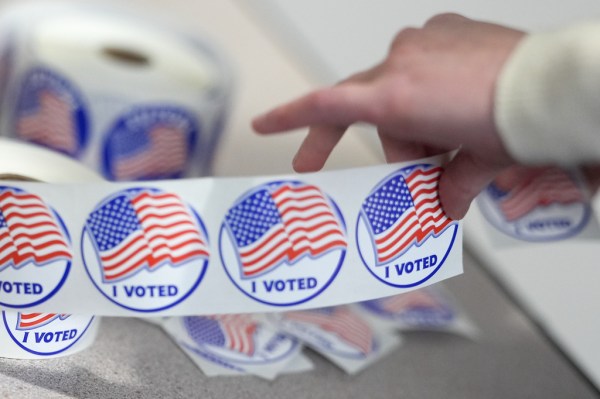
Largely absent from the reportage during this media frenzy was news of the impending Syrian parliamentary elections. Indeed, outside of Syria, the fact that Syrians will go to the polls this Sunday (April 22) to elect a new parliament has gone virtually unnoticed. In a sense, this is understandable: Syria is a dictatorship, the legislature holds little power, elections are neither free nor fair, and the opposition is boycotting the race. Nonetheless, Syrian elections are significant, not only as a bellwether of the ongoing repressive nature of the Syrian regime, but because these elections highlight Washington’s continued difficulties in pressuring the Assad regime to modify its pernicious domestic and foreign policies.