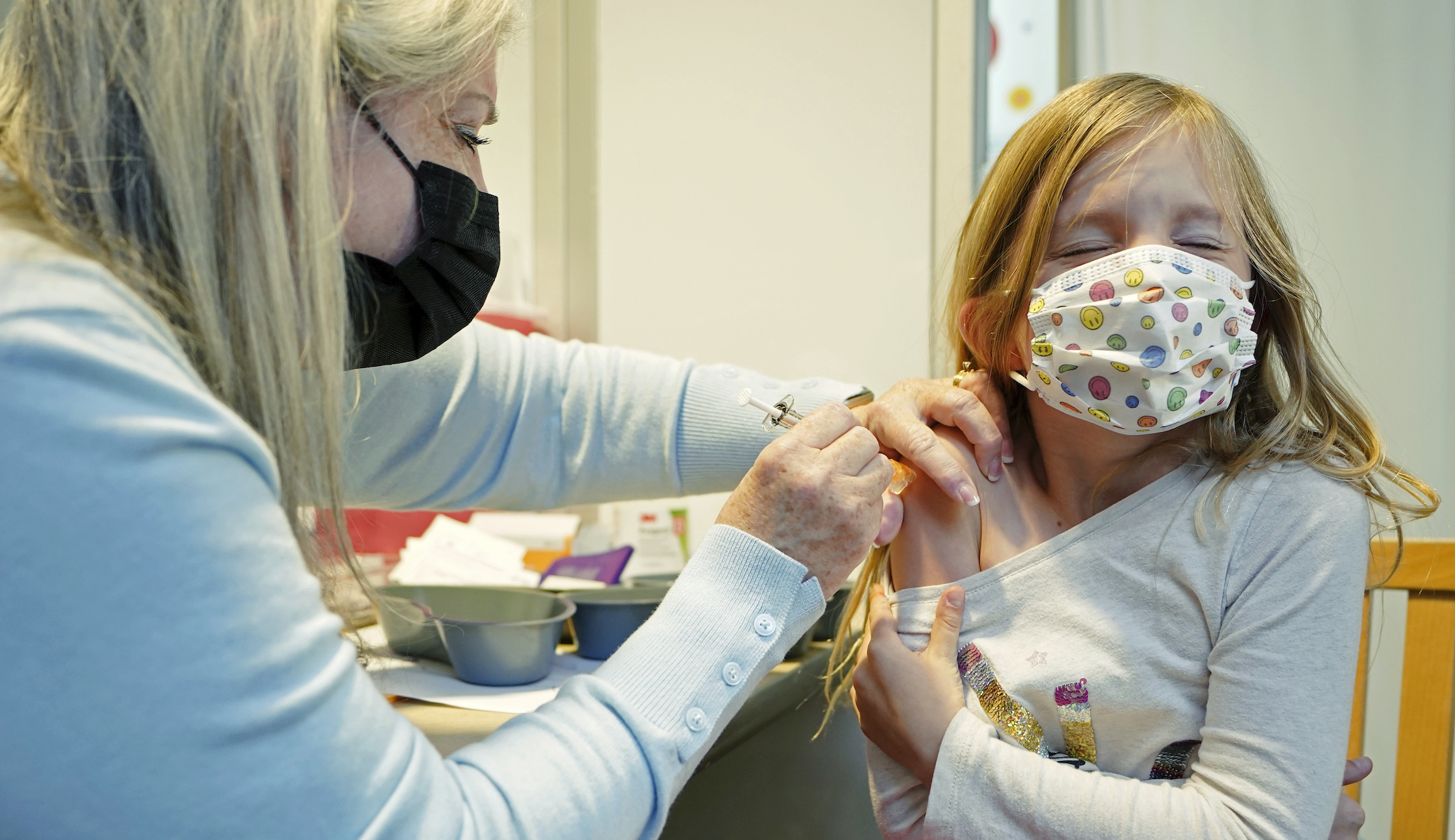
The damage to children from school lockouts will be enduring

COVID-19 has wreaked so much havoc on all facets of our lives, but children have been especially harmed.

Thankfully, Supreme Court Justice Sonia Sotomayor’s recent statement that “we have 100,000 children, which we’ve never had before, in serious condition and many on ventilators” was wildly inaccurate. but COVID-19, and the response to it, has taken a terrible toll on children’s flourishing, far beyond their physical health.

We’ve only just begun to see the long-term effects school closures, poor attendance, and distance learning will have on students, especially minority students who are already at a disadvantage. A Harvard University associate professor and health expert wrote for the New York Times,

“Online learning isn’t the same as in-person learning. A report by McKinsey examining COVID-19 effects on the 2020-21 school year found that the pandemic left students five months behind on math and four months behind in reading. Schools with majority Black and brown populations saw deeper losses: six months behind in math and five to six months passing rates were lowest in poor areas and that going from fully virtual to fully in person counteracted the low math passing rates by 10 percentage points.”

Many schools have put safety measures in place to make full-time in-person learning possible, but still many others remain shuttered. Even schools that were once reopened have closed again in response to the latest variant and the rise in cases.

The reality is that school transmissions were low even before the widespread availability of vaccines and their emergency approval for use in those age 5 and older. Chicago Mayor Lori Lightfoot, in her refusal to accept the teachers unions proposal for online learning, rightly said that “the best, safest place for kids to be is in school.”

Sadly, too, because of grief brought on by the pandemic, teachers now need to “integrate grief-response teaching in the classroom.” The irregularities of the last two years have taken away the security of routine and the regular comforts of the school day. Those irregularities exacerbate the psychological fragility brought on by divorce, housing insecurity, or the death of a parent and can lead to unexpected hurdles at a time when children are grappling with challenging curricula.

This is no “snowflake moment.” The kids are not all right.

Moreover, children have missed healthy socializing and traditional rites of passage such as birthday parties, field days, and graduation ceremonies. It turns out that all those drive-thru fetes and other virtual substitutes weren’t nearly enough to compensate for what they’ve lost. Consider the possible repercussions years down the road, including a further decline in marriage rates because no one could meet a spouse in college the way so many have done, underexperienced drivers on our roads because teenagers weren’t able to go to drivers education, and even stunted levels of professional maturity due to canceled internships and solitary work-from-home first jobs.

But more immediately, our children are hungry.

Missed meals are a reality for those children who depend upon the free meals provided at schools. Even the heroic efforts to continue to distribute meals to those who needed them couldn’t help the children who had no way of getting to the distribution site. Certainly, very few things tug on our heartstrings more than a child not getting enough to eat. This shouldn’t happen here.

Children are not a statistic. They are our daughters and sons, sisters and brothers. It matters if even one child is ill enough from COVID-19 to require hospitalization. But we must remember that the vast majority of America’s children are suffering as a result of our response to the pandemic and in ways that go beyond physical illness. It’s time to stick to the facts and fix this for the sake of the future generation.

Leigh Fitzpatrick Snead is a fellow for the Catholic Association.

Related Content
