

The regime of endless copyright extensions, a form of corporate welfare, has finally come to an end, and it’s time to celebrate.
In 1998, Congress halted the flow of copyright works to the public domain with the passage of the Copyright Term Extension Act, extending protections for works published before 1978 from 75 to 95 years. But on Jan. 1, 2019 , without a new extension, the first batch of works in two decades became public.
Recommended Stories


That is undoubtedly a good thing. Without copyright protection, those works will be both more accessible and cheaper. New editions can be printed, online copies posted for free, and new audio recordings shared. Sequels, spin offs, fan fiction and parodies are also all fair game, opening up new creative possibilities and giving new life to old stories.
The only reason the copyright protection had been extended was to appease corporate interests — specifically, to appease Disney. Fearing that it would lose protection over Mickey Mouse, the Walt Disney Company had pushed for the extension of copyright protections in 1990. The estate of celebrated composer George Gershwin, along with Time Warner, Viacom, and professional sports leagues, among others, all supported the law as it protected their profits. In 1998, those cooperate interests won government protection for another 20 years.
Now, those years are up. So, what better way to celebrate the end to one of the clearest examples of crony capitalism than to go out and make use of the newly released works?
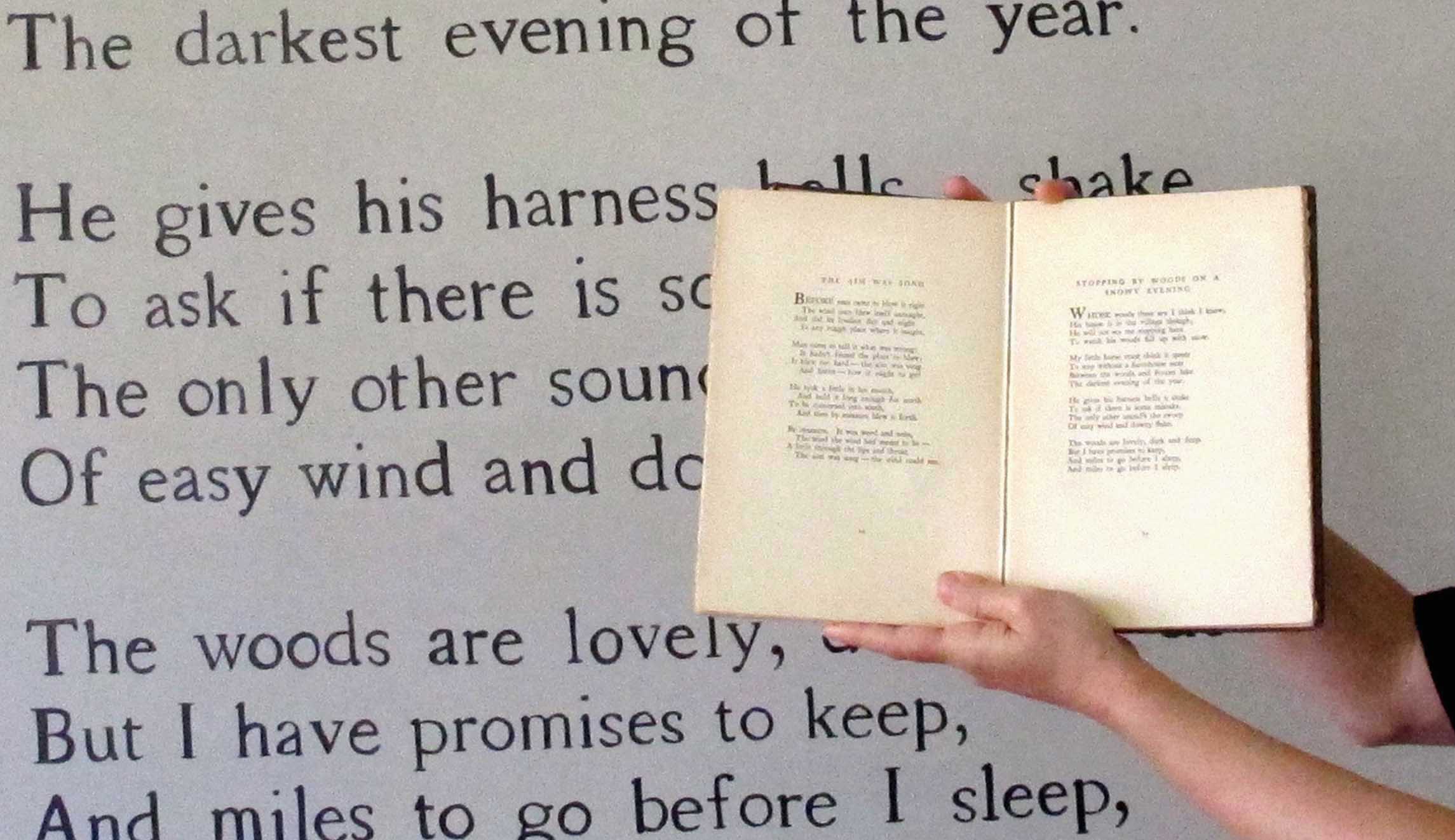
Already, many of the materials released are widely available on free platforms like Google Books or HathiTrust, which were ready to go live with the drop of the ball on New Year’s Eve. Among such favorites are Robert Frost’s “Stopping by Woods on a Snowy Evening,” George Gershwin’s “Stop Flirting,” Marcel Duchamp’s original “The Bride Stripped Bare By Her Bachelors, Even (The Large Glass),” and Marcel Proust’s The Prisoner (La Prisonniere, vol. 5 of In Search of Lost Time), although you’ll have to wait for the English translations, which have copyrights of the own.
Pick your favorite and read it, stare at it, or sit back and listen. Share the PDF with your friends and maybe even channel your inner Andy Warhol and do something spectacular and innovative with existing works. A parody of Frost’s famous poem? A play on Duchamp’s classic work? Or maybe an animated short, spun off from Proust? All those are now, thankfully, fair game.
That, after all, is more in the spirit of the constitutional authorization for Congress to use intellectual property protection “to promote the Progress of Science and useful Arts, by securing for limited Times to Authors and Inventors the exclusive Right to their respective Writings and Discoveries.”
With those protections finite once again rather than subject to ever-longer extensions, Congress can get back to serving the public at large rather than ensuring that companies and estates continue to receive money for work done long ago. In the end, that will push the development of new ideas and applications, adding to the country’s rich cultural tradition.
