

MUNICH — President Trump’s intent to withdraw American forces from Syria and Afghanistan is provoking concern and skepticism from U.S. officials and military brass gathered at a major security conference.
Leaders from America, Europe, and elsewhere contend an abrupt U.S. withdrawal from either war-torn country could have lethal repercussions, including heavier influence from terrorist elements and further Iranian encroachment into the Middle East.
Recommended Stories


Trump has indicated the 2,000 or so troops in Syria will be withdrawn in the coming months, though the administration has been cagey on timing. And talks between U.S. and Taliban officials continue about eventual American military withdrawal from Afghanistan, where they’ve been present since the month after the 9/11 attacks.
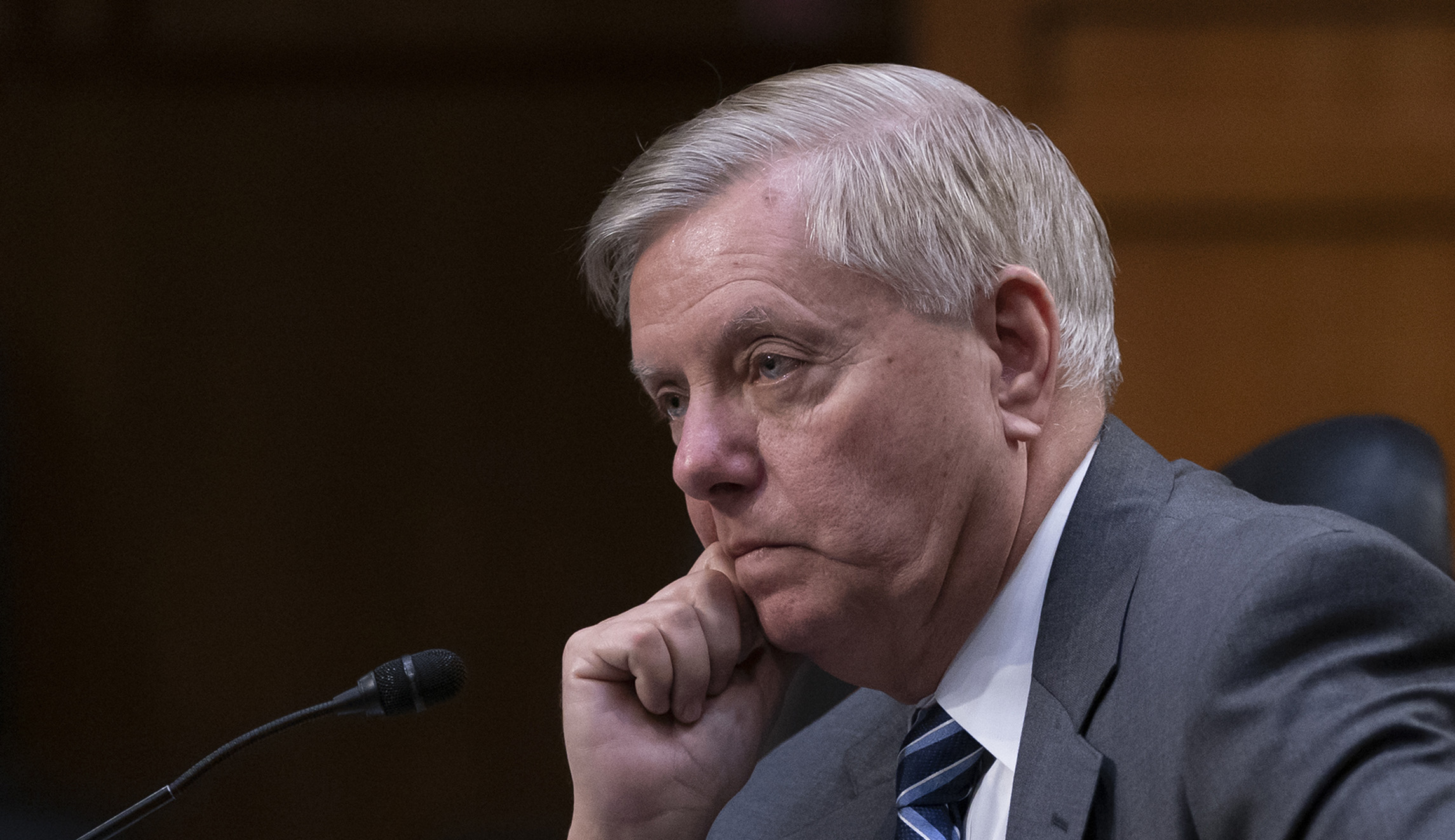
Sen. Lindsey Graham, R-S.C., who is leading the U.S. delegation at the Munich Security Conference, questioned troop withdrawals on the event’s opening day. Another member of the U.S. congressional delegation at the security conference told the Washington Examiner military leaders have said much the same thing.
“A lot of chatter in our meetings from our allies and even our own military leaders is that we are headed down a disastrous path, especially in Syria,” said the lawmaker, who attended numerous meetings on the sidelines of the conference. “Pulling out [means] turning over the keys to Russia in places that we don’t want Russia to control.”
That’s in line with concerns raised by German Chancellor Angela Merkel, who warned about the geopolitical risks.
“Will it once more strengthen the capacity of Iran and Russia to exert their influence?” Merkel asked, rhetorically, during her address to the conference.
While no U.S. military officials have publicly crossed the Trump administration on Syria or Afghanistan policy, they’ve also been conspicuously silent in not repeating Trump administration talking points defending troop draw-downs.
A recent Pentagon inspector general report publicly made the argument for keeping American troops in Syria.
“Absent sustained [counterterrorism] pressure, ISIS could likely resurge in Syria within six to twelve months and regain territory in the middle Euphrates River valley,” the DOD report said.
The Pentagon warning for Syria came just weeks after Trump surprised allies by announcing that he would soon remove U.S. forces from Syria. And ISIS has established a resilient presence in Afghanistan despite the best efforts of the U.S. military, according to the State Department.
Trump’s team is pushing hard for a deal with the Taliban to end the longest U.S. war — a conflict that involves 39 NATO allies who contribute about 17,000 troops total, including more than 8,400 Americans. European officials want him to coordinate this decision, instead of surprising them, as happened with the Syria withdrawal announcement — which the president made on Twitter.
