

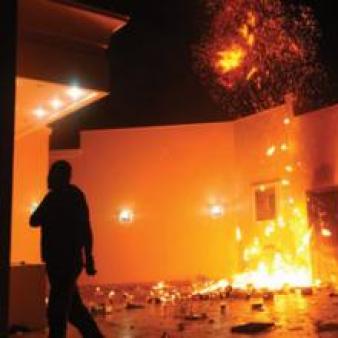
The Accountability Review Board’s investigation into the September 11, 2012 terrorist attack in Benghazi says much about the deteriorating security situation surrounding the U.S. consulate beforehand. The report also documents the State Department’s mishandling of that increasingly perilous environment. However, the report says little about al Qaeda and affiliated groups. And what it does say is incomplete given all that we now know.
“The Benghazi attacks also took place in a context in which the global terrorism threat as most often represented by al Qaeda (AQ) is fragmenting and increasingly devolving to local affiliates and other actors who share many of AQ’s aims, including violent anti-Americanism, without necessarily being organized or operated under direct AQ command and control,” the report reads. “This growing, diffuse range of terrorist and hostile actors poses an additional challenge to American security officers, diplomats, development professionals and decision-makers seeking to mitigate risk and remain active in high threat environments without resorting to an unacceptable total fortress and stay-at-home approach to U.S. diplomacy.”
Stay informed.Stay ahead.
Join Washington Examiner for unlimited access to the news, analysis, and commentary that matter most.
Already a member? Log in
