‘Alarm’ in Russia grows over U.S.-provided weapons to Ukraine

Published July 25, 2022 3:11pm ET


Russia’s war in Ukraine is entering its sixth month amid signs Moscow is still far off from its main goals.

Over the last week, Russian Foreign Minister Sergey Lavrov has said publicly that his country’s goal is to ensure Ukrainian President Volodymyr Zelensky is removed from power, per the Associated Press. Moscow’s territorial goals have also expanded to include more swaths of Ukraine. Both objectives were originally expected to happen within days following the Russian military’s initial invasion.

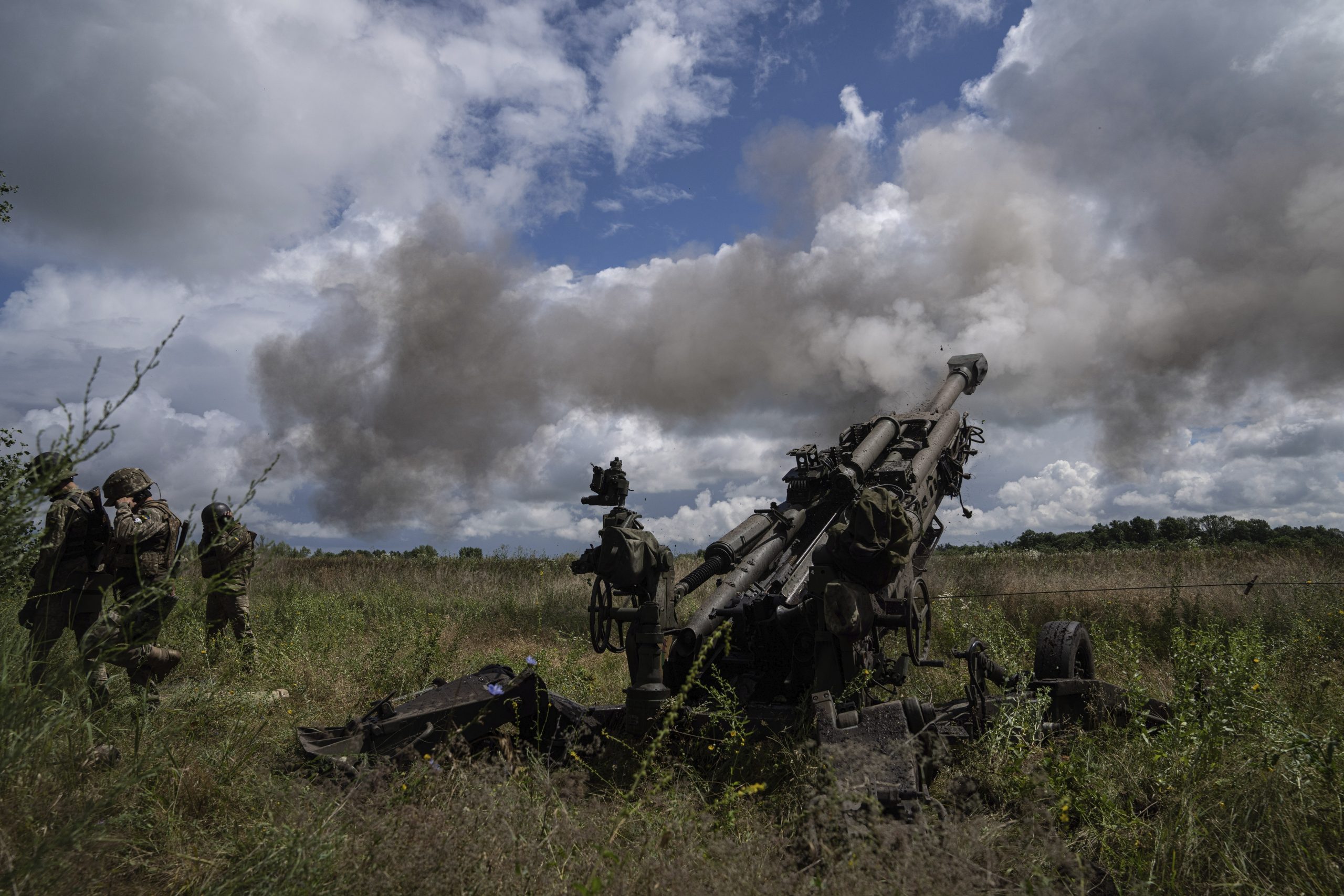
One major reason the Ukrainians have been able to stand their ground despite being outnumbered and outgunned has been the United States’s High Mobility Artillery Rocket Systems (HIMARS). The U.S. has provided 16 thus far, four of which were included in an aid package announced on Friday and likely haven’t made it to the front lines yet, while Ukrainian defense leaders have asked for dozens more.

‘PERFECT STORM BREWING’ IN SYRIAN REFUGEE CAMP, PRISON FOR ‘REEMERGENCE OF ISIS,’ GRAHAM WARNS

The Ukrainians’ use of HIMARS strikes on key Russian command and control nodes has raised “alarm in the Russian nationalist information space,” the Institute for the Study of War said in its Sunday update.

A medium-sized Russian telegram channel with slightly more than 30,000 subscribers recently characterized the arrival of the Lockheed Martin-produced HIMARS “as a distinct turning point in the war,” as other weapons the U.S. had previously provided, such as Javelins and Stinger missiles, did not make much of an impact, the ISW reported.

“HIMARS changed everything for Russian capabilities in Ukraine,” their assessment concluded.

The Russians and Ukrainians are battling for the Donbas, or the eastern region of Ukraine, where fighting between the two sides has gone on for years, though Russia is simultaneously striking other parts of the country through the air.

Russia bombed the port of Odesa over the weekend, less than 23 hours after the two countries signed an agreement to allow Ukrainian exports to leave the ports, which hadn’t occurred since before the invasion, prompting fears of increased food insecurity globally.

The Russians are looking to follow their 2014 playbook and will attempt to annex Ukrainian territory, specifically the city of Kherson and all of the Donetsk and Luhansk oblasts, the White House warned last week while committing to continue helping the Ukrainians.

“It is our strategic objective to ensure that Russia’s invasion of Ukraine is not a strategic success for Putin, that it is a strategic failure for Putin,” White House national security adviser Jake Sullivan said last week at the Aspen Security Forum in Colorado. “And that means both that he be denied his objectives in Ukraine and that Russia pay a longer-term price in terms of the elements of its national power, so that the lesson that goes forth to would-be aggressors elsewhere is that, if you try things like this, it comes at a cost that is not worth bearing.”

The Biden administration also warned that Russia could turn to Iran for “hundreds” of unmanned aerial vehicles, though it hasn’t revealed intelligence indicating the deal has already occurred.

U.S. intelligence agencies have repeatedly declassified and publicly revealed intelligence on what they believe Russia was weighing in Ukraine, and it has turned out to be an “amazing” deterrent, said Gen. Richard D. Clarke, commander of U.S. Special Operations Command, on Friday at the Aspen Security Forum.

CLICK HERE TO READ MORE FROM THE WASHINGTON EXAMINER

The war is depleting Russia’s military capabilities, and U.K. Secret Intelligence Service (MI6) chief Richard Moore stated last Thursday at the conference, “I think they’re about to run out of steam,” and, “Our assessment is that the Russians will increasingly find it difficult to supply manpower and materiel over the next few weeks. They will have to pause in some way and that will give the Ukrainians opportunities to strike back.”

CIA Director William Burns recently described the Russian casualty count as “something in the vicinity of 15,000 killed and maybe three times that wounded.”
