

We are living in a new era of activism. From organized deployments of field activities to the seemingly popular, yet inflammatory act of disruption, protests have become widely covered in the news during the Trump era. Sadly, the final product of journalists often tell of the cases of “extreme protesting.”
Examples of extreme protesting include dissenting demonstrators interrupting a controversial event on a college campus or an incident of antifa and white supremacist groups violently clashing. Suffice it to say, the latter isn’t justifiable as any form of acceptable protest. The former, however, falls into the class of extreme protesting that some pundits and academics have identified as ever-increasing.
Recommended Stories
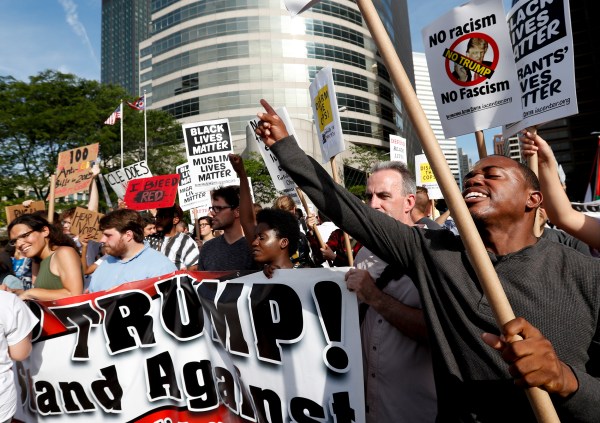
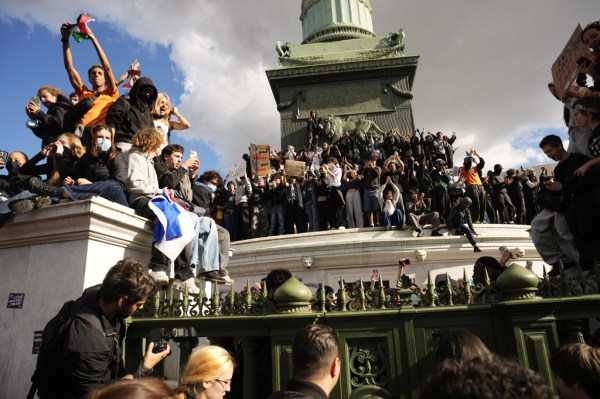
Disruptive protesting is roughly defined as the violent or nonviolent act of interfering with the status quo – the status quo meaning the norms of an organization or the developed environment. In a better turn of phrase, the disruptive practices serve as a “go-to” option in the activist toolbox because this model of protesting elicits civil disobedience and brings attention to critical issues through unorthodox methods.
Using a disruptive protesting model is certainly an effective means to communicate one’s ideology, political stances, and engage in shock-and-awe tactics. In fact, the very push of this protesting model has brought controversial topics (e.g., gun violence and control, modern race and ethnicity relations, abortion, LGBTQ rights, academic freedom, etc.) into the national spotlight.
There’s one pre-eminent question above all else: When does a disruptive, brutish approach to activism run its course?
Matthew Feinberg and Chloe Kovacheff of the University of Toronto, with Robb Willer of Stanford University, released a working paper in 2017 analyzing how counter-normative acts committed by activist groups, especially inflammatory ones, fail to garner popular support.
Feinberg, Kovacheff, and Willer concluded that “extreme protest tactics decreased popular support for a given cause because they reduced feelings of identification with the movement.”
Using three case studies – citing the work of animal rights groups, the Black Lives Matter movement, and anti-Trump protesters – one can conclude that flamboyant statement-making, like raasta or rail roko (i.e., road or rail obstruction) for example, will certainly garner attention. And while these acts of demonstration will make headlines, these factors implement indirect and direct deterrence against potential supporters.
Other research has found similar conclusions. In 2015, the University of Washington’s Abhinav Gupta argued that disruptive tactics only operate in a local and controlled fashion. Gupta, in a UW Foster School of Business research brief, explained that disruption methods have “a role in terms of raising attention and bringing awareness to an issue.” However, Gupta added that if these methods are used exclusively to assert social change, “it can turn off a lot of people and be very limited in its effectiveness.”
Gupta added, “We find that evidence-based education proves more effective at achieving a campaign’s larger goals.” These evidence-based approaches include reason and tactics that “change minds and values.”
With the repercussions of such approaches considered, one should conclude that passive (e.g., written or silent protests) and other active models (e.g., temporary hunger strikes, highly-publicized and centrally-organized demonstrations and marches) of protest could serve better purposes for forcing real social change. As we all know, activism is one of the many elements of evolving civil societies. That said, we need to adapt to the level of discord that we all want.
Nonviolent disruption models, which certainly fall into the realm of acceptable forms of protest and have proven effective, fail to do what they need in winning “hearts and minds.” Bellicose language, suppression of competing ideologies, and loud and obnoxious engagements don’t do the trick anymore. Reasoned and well-thought discussion and civil obedience still serve as effective means to communicate message.
Those interested in effective activism would do well to remember what they were taught in Public Speaking and Debate 101. Every time you engage with an audience, including instances of political discourse and debate, keep in mind that you need to identify the audience, occasion, and purpose of the event. After that, you engage and critically analyze your opponents, making sure to implement the claims, reasons, and supporting evidence for your argument.
Once activists efficiently discharge these tasks while “keeping their cool,” the engagement of political discussion – in any format or venue – will be enriched.