

Russia will lose one-third of the diplomatic detail to the Russia-NATO Council, after the civilian head of the trans-Atlantic alliance revoked the credentials for seven officials and barred three others.
NATO Secretary General Jens Stoltenberg ordered the 10 officials home in response to the attempted assassination of a former Russian military intelligence officer who was convicted of treason and then released to the United Kingdom in 2010. British Prime Minister Theresa May blamed Russia for the attack, saying the ex-spy was poisoned by “a military-grade nerve agent” developed by the Soviet Union during the Cold War.
Recommended Stories


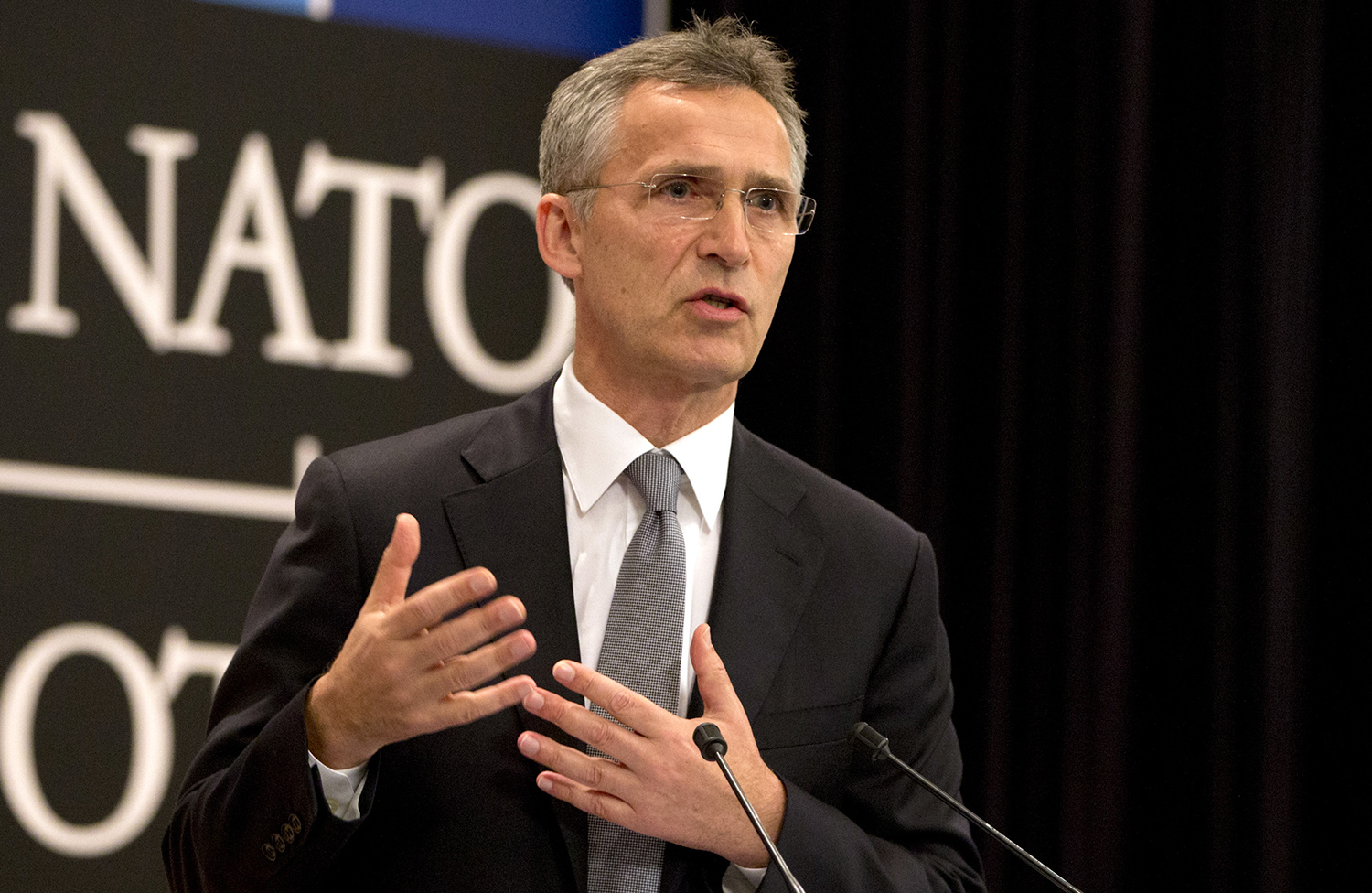
“This sends a clear message to Russia that there are costs and consequences for its unacceptable and dangerous pattern of behavior,” Stoltenberg told reporters Tuesday. “The practical implication is of course that Russia will have a reduced capability to do intelligence work in NATO countries and in those countries they are expelled from.”
The NATO-Russia Council was founded in 2002 as a forum for meetings between the former Cold War rivals, but most engagement has been suspended since Russia’s annexation of Crimea and the invasion of eastern Ukraine in 2014.
Stoltenberg’s decision is part of a concerted wave of expulsions across the United States and European nations, intended as a unprecedented punishment for the use of a chemical weapon to attack an individual in England. Stoltenberg suggested Russia has been “surprised” at NATO’s stiffening posture, especially the allies’ acquiescence to President Trump’s demand that they increase defense spending.
“I actually think that Russia has underestimated the unity of NATO allies,” he said. “With the battle groups to the East and part of the alliance, but also with a higher readiness of forces, and with the fact that after years of reducing defense investments we are now increasing defense investments. I don’t think that Russia expected that.”
Russia has denied responsibility for the incident and touted the backlash as the latest example of Western hostility.
“The task was to demonize Russia and what we are witnessing now is part of a long-term program of unbridled Russophobia,” Russian Foreign Ministry spokeswoman Maria Zakharova said Monday. “It is a matter of not only Russia as a country, it is a matter of Russians and the Russian people.”
The tensions have played into President Vladimir Putin’s image as a defender of Russia against hostile Western forces, although Western leaders take pains to contradict the charge of “Russophobia” leveled by Zakharova and other officials.
“The bonds between our people remain strong,” U.S. Ambassador to Russia Jon Huntsman said Monday. The United States is ready to cooperate and forge a better relationship between our two countries. But that will only be possible when Russia chooses to become a responsible partner.”
