

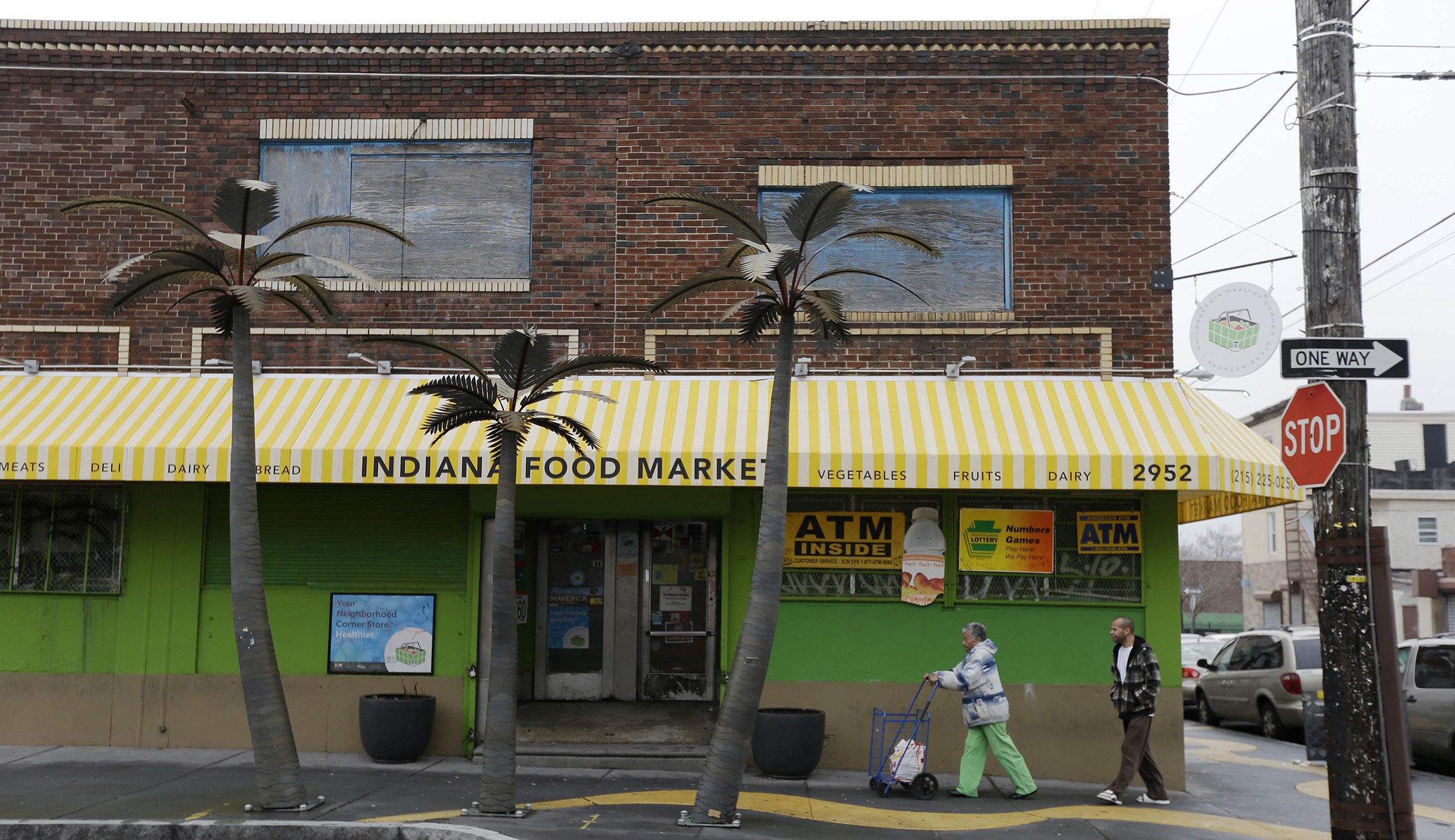
We know that the poor, on average, eat less well and less healthy than the rich. The general diagnosis for this imbalance is that there are “food deserts,” places where, for some reason, the capitalists and entrepreneurs just refuse to sell healthy food. This doesn’t quite make sense: as if there was a demand, then capitalists would be just as happy to profit off poor customers as the rich. Greed is greed, after all.
Fortunately, economists have studied this issue. Their inquiry reveals that when we take poor people out of these “food deserts,” their diet changes a little, but not very much, indicating that geography is not to blame. It’s not all about money either, for the purchasing of cheap and nutritious food is entirely possible, as the diets of our own grandparents and beyond show. Today’s poor have purchasing power far greater than the average income two generations ago and more than nearly any income group four generations ago or more.
Stay informed.Stay ahead.
Join Washington Examiner for unlimited access to the news, analysis, and commentary that matter most.
Already a member? Log in
