

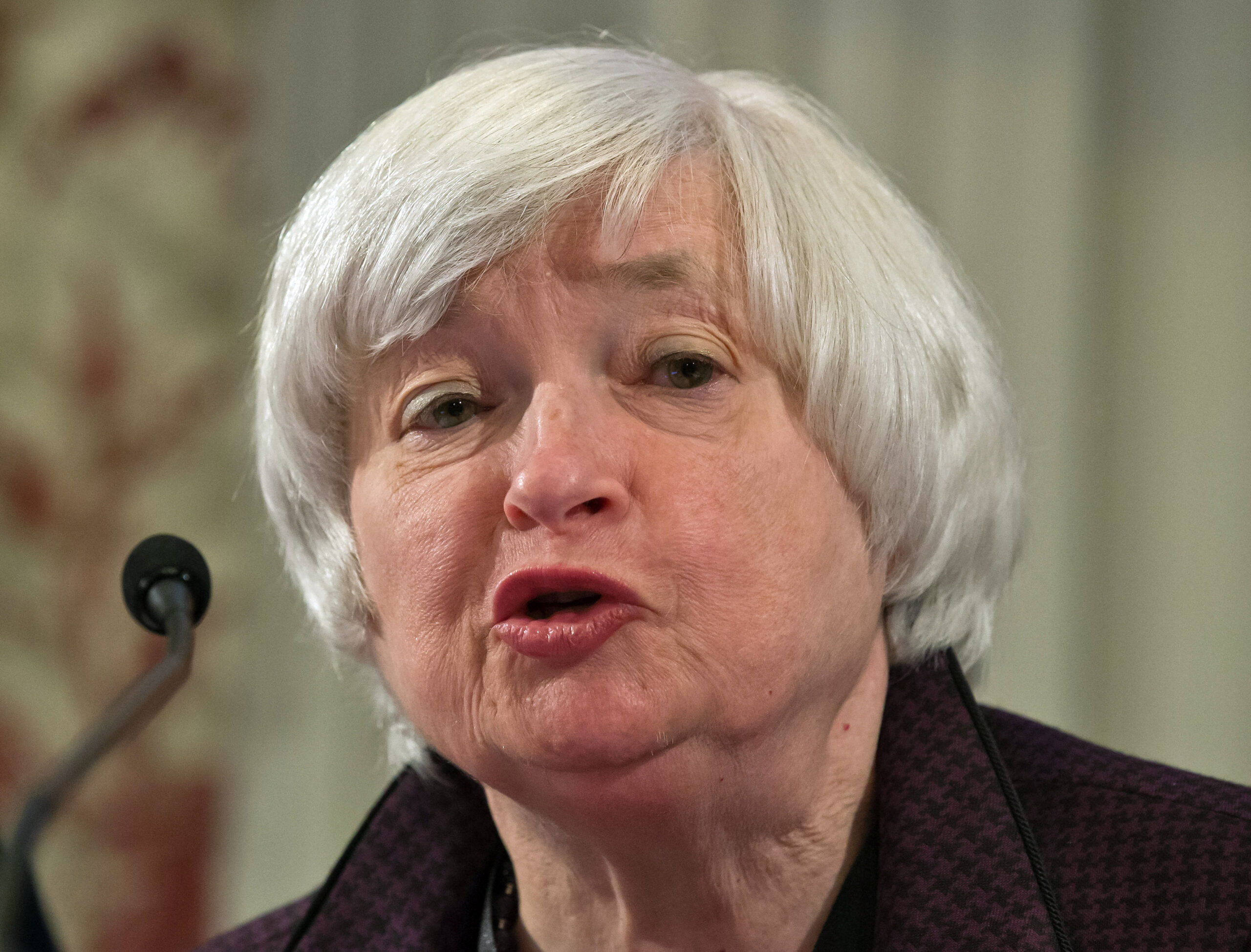
A conservative group critical of the Federal Reserve is requesting a meeting with Chairwoman Janet Yellen after she met with a group representing workers and labor on Friday.
American Principles in Action’s Steve Lonegan wrote to Yellen in a letter dated Monday that the “Left does not have a monopoly on concern for average working Americans.”
Stay informed.Stay ahead.
Join Washington Examiner for unlimited access to the news, analysis, and commentary that matter most.
Already a member? Log in
“I hope that you are equally willing to meet with a center-right group to discuss our concerns about how current monetary policy is reducing their standard of living. In that spirit I request a similar meeting in the near future,” wrote Lonegan, previously a Tea Party-aligned Republican candidate for several offices in New Jersey.
Lonegan’s group favors a return to the gold standard, which would remove much of the Fed’s discretion in conducting monetary policy. That approach has little or no support among Fed officials.
The group that met with Yellen Friday pushed the message that conditions are still difficult for many workers, and warned against tightening monetary policy too soon by raising interest rates.
One of the participants in the meeting, Economic Policy Institute economist Josh Bivens, said in remarks delivered Friday that there “is a flawed conventional wisdom that says the Fed must be insulated from political pressures because it has to be free to make data-driven decisions. But all that participants in today’s meeting are asking is precisely that data — not economic theory or dogma or speculative concerns about inflationary pressures appearing sometime in the future — drive the decisions of the Fed’s open market committee.”
Bivens added that the “data argues clearly that the U.S. economy remains far from fully recovered from the damage inflicted by the Great Recession and its aftermath.”
The meeting between Yellen and members of labor unions, advocacy organizations and think tanks was a fairly rare event for the Fed, which is independent from the executive and legislative branches.
Groups such as the Fed Up! Coalition that met with Yellen Friday and American Principles in Action have sought to draw attention to the Fed’s monetary operations as the Fed’s policy of near-zero short-term interest rates has stretched into its sixth year.
