

When you get home from work today, you will open your mailbox, but you’re probably not looking forward to it quite as much as you used to. If you are like most Americans, you do receive Christmas cards and, from time to time, important letters and subscription magazines. But increasingly, you just find endless junk mail: catalogues; credit card offers, solicitations for donations, sweepstakes and offers to switch your television service or your car insurance or your homeowners’ insurance.
People aren’t using the U.S. Postal Service the way they used to. In 2005, the volume of junk mail surpassed the volume of First Class mail for the first time in USPS history. In 2010, First Class mail volume hit its lowest level since 1986. Fewer individual postcards were mailed in 2010 than in 1926, when the Postal Service first began tracking the number. Both junk and regular mail are now declining in volume (see chart), and as a result the Postal Service lost $3.2 billion in the first quarter of 2012 and finds itself $13 billion in the red. Despite a 26 percent reduction in the number of postal employees since 2000, USPS is losing $25 million each day.
Recommended Stories


The Postal Service’s managers would like to reform their operations, but the U.S. Senate is trying to stop them. It recently passed a so-called “reform bill” that the Cato Institute’s Tad DeHaven writes “would keep Congress’s hand placed firmly around the USPS’s neck.” It blocks the immediate shutdown of thousands of under-utilized postal facilities at least until the election, and it would keep many of them open permanently. The Senate bill forces the Postal Service to continue Saturday delivery for at least two more years, at which point it can stop only as a last resort.
Even as it ensures the Postal Service will continue losing billions each year, the Senate bill throws billions more into the abyss. It provides a $34 billion bailout by pillaging retirement money in various funds that is intended for postal workers. The Postal Service, given current trends, may never be financially healthy enough to replenish those funds, which means taxpayers will probably have to do it for them.
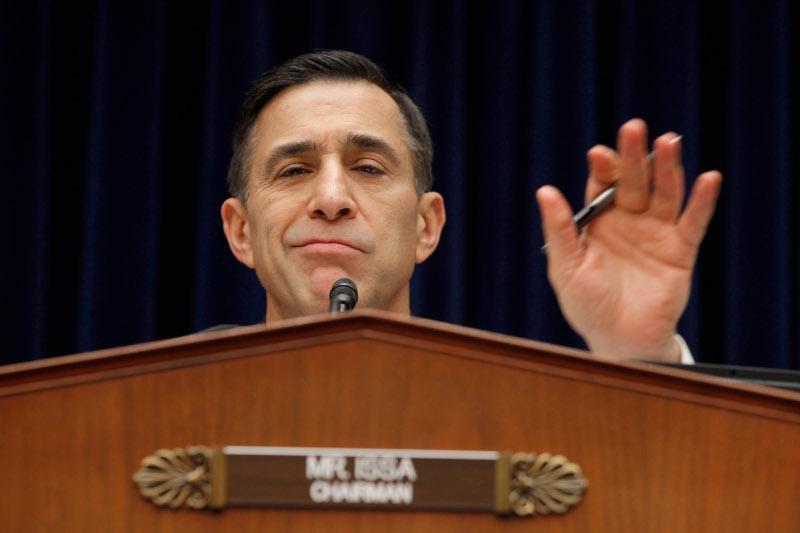
Rep. Darrell Issa, R-Calif. has proposed a far better alternative in the House. It lets USPS end Saturday delivery within six months (which President Obama supports), for $3 billion in annual savings. It sets up a BRAC-style panel to find another $3 billion yearly by consolidating postal facilities.
Most importantly, to address labor costs (80 percent of the Postal Service’s expenses), Issa’s bill would reform USPS’s collective bargaining process. The current union contracts are frighteningly similar to the ones that helped destroy General Motors and Chrysler. They contain no-layoff clauses, “rubber rooms” where idled employees are paid to do nothing and miniscule employee contributions to retirement and health benefits. Such provisions would henceforth be banned.
If Issa’s bill becomes law, the Postal Service has a fighting chance at providing universal mail service without losing tens of millions of dollars each day. If the Senate bill passes, USPS will almost certainly be back for another bailout within two or three years.
Americans have had it with multi-billion dollar bailouts. Both the House and President Obama should return the Senate postal bill to sender and adopt sensible reforms that will let USPS become lighter, nimbler, and more responsive to market demand.
