

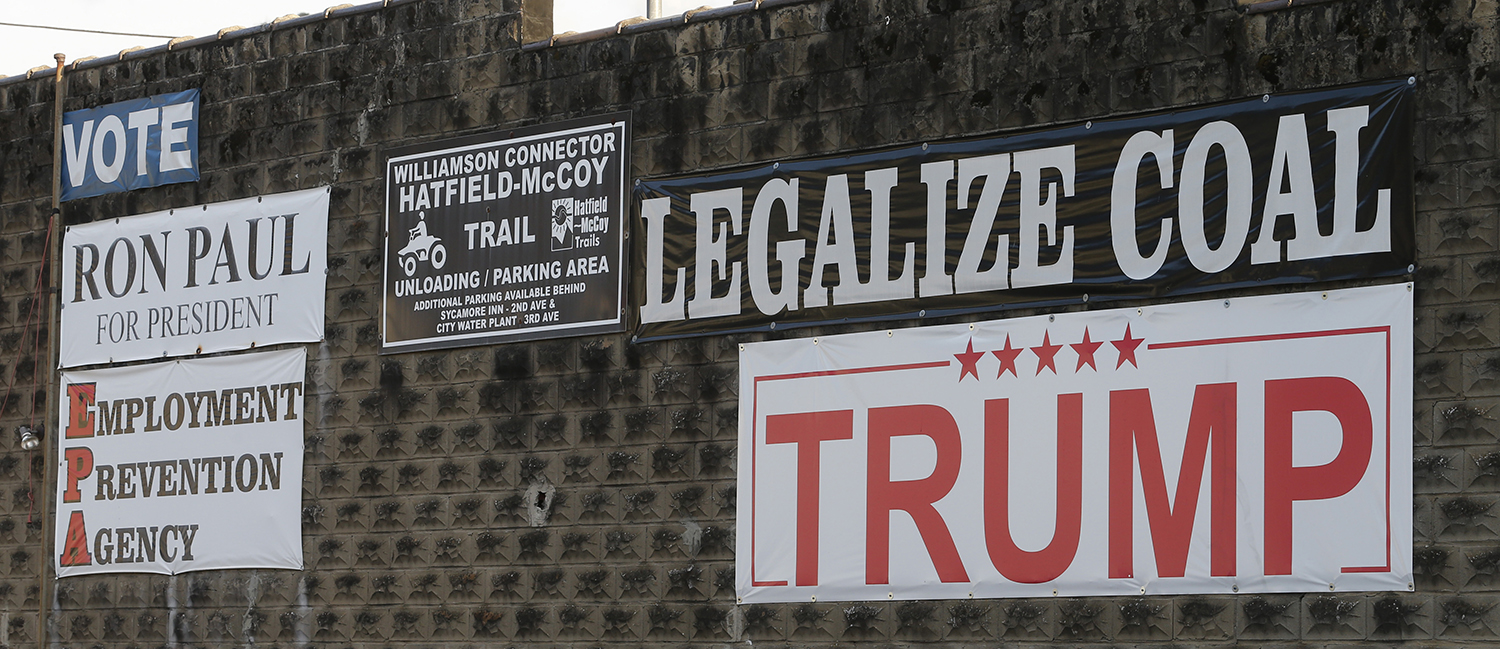
A projected surge in coal use this winter could benefit President-elect Trump by helping him demonstrate his promise of putting miners back to work by the time of his Jan. 20 inauguration.
The Energy Information Administration, the Energy Department’s independent data and analysis wing, reported recently that utilities are expected to increase their use of coal as natural gas prices rise.
Recommended Stories


Low natural gas prices in recent years due to the fracking boom in natural gas production has made it the nation’s top source of electric power, while making it harder for coal to compete. But that will change in the coming weeks as temperatures plummet and demand for cheap power rises.
But how much coal gets used depends a lot on the weather. Long-term weather forecasts predict colder-than-normal temperatures earlier this winter, but with the possibility that the season could end early with warmer than average temperatures.
The Energy Information Administration said Friday that its weather and market forecasts show coal overtaking natural gas beginning in December, with the trend continuing through February.
“After declining for several months, the share of U.S. electricity fueled by coal is expected to slowly begin growing when compared to the same period last year,” a brief from the agency said last week. “In contrast, the share of generation from natural gas is expected to experience year-over-year declines.”
For Trump, it is uncertain how the anticipated surge in coal use would affect the new administration. It is not likely to be enough to bring back most of the job losses in the mining sector, but it would provide an noteworthy talking point.
Nevertheless, Trump’s election prompted coal company stocks to soar. In a video outlining his first 100-day agenda, Trump said cutting regulations on “clean coal” technologies and fracking used to produce natural gas will be central. A member of his transition team, Kathleen Hartnett-White, told the Washington Examiner that what he means by clean coal technologies includes a range of power plants.
Some are older power plants that have been retrofitted with air scrubbers that allow them to comply with federal environmental rules for traditional air pollutants but not carbon dioxide, which may scientists blame for man-made global warming.
His plan also would include more advanced supercritical coal power plants that burn coal at much higher temperatures than the scrubbed power plants to eliminate pollutants, she said. The plants also are considered a step toward the type of coal plants needed to reduce carbon pollution.Only one such plant is operating in the United States, the Turk power plant in Arkansas, owned by the Southwestern Electric Power Co., a subsidiary of utility giant American Electric Power. Hartnett-White said she visited the Turk plant recently before being chosen as a member of the Trump transition team. She made a name for herself in Texas as chairwoman of the Lone Star State’s lead environment agency in challenging a number of the Environmental Protection Agency’s air quality regulations.
Under Obama-era climate rules for new power plants, the Turk plant will be the last new coal power plant built unless Trump moves to repeal the regulations as he is promising.
Critics call the climate regulations a “de facto ban” on new coal plants because the EPA’s standard for constructing a new power plant is cost prohibitive by requiring the use of currently uncommercial carbon capture technologies. Both the rules for new plant rules and those for existing power plants, called the Clean Power Plan, are being challenged in federal court.
