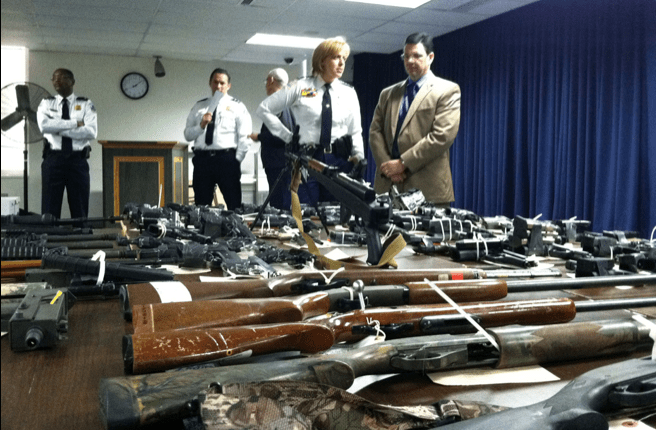
D.C. police and ATF agents said Monday that they have arrested 70 suspects and seized more than $7.1 million worth of guns and drugs in a year-long sting in which undercover officers acted as music industry insiders.
Officers set up the “Manic Enterprises” studio in Northeast Washington for fictional rap artist Richie Valdez in November 2010, and let it be known to the underground world that they were also in the market for guns and drugs.
Recommended Stories
Within a year, the officers had recovered 161 firearms — including 29 assault weapons — along with 80 pounds of methamphetamine, 21 pounds of cocaine, 1.25 gallons of PCP, 24 pounds of marijuana, heroin and Ecstasy.
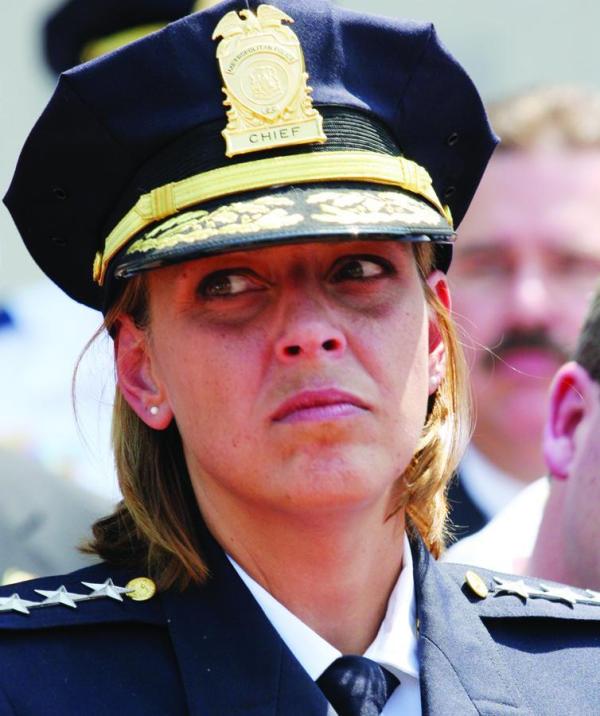
“If these drugs and guns had made it to our streets, the impact would have been devastating to the community,” said D.C. Police Chief Cathy Lanier. “These officers are heroes. These officers have incredible talent and put themselves in tremendous danger for the betterment of our community.”
Police said the suspects bragged about other crimes and said they had no qualms about killing police officers or other innocent people, police said.
One potentially heinous crime was prevented after one of the suspects’ cell phones accidently dialed an undercover officer, a law enforcement officer familiar with the investigation told The Washington Examiner. The undercover officer listened in as the suspect discussed robbing the studio and shooting any potential witness. Police arrested the suspects before they could pull off their heist.
| Examiner Coverage |
|
|
Undercover officers traveled to Atlanta with suspects who claimed to be part of the notorious Mexican drug cartel “La Familia.” The group was trying to gain a meth dealing foothold into the District, which historically has not been exposed to high levels of the drug.
The Mexican cartel members also introduced the agents to another source that was supplying guns from Georgia.
“These are higher-quality guns, not your garden variety street stuff,” said ATF Special Agent Richard Marianos. Some of the suspects and guns in the D.C. busts have been linked to at least two shootings and crimes in other states, including in California and New Mexico, Marianos said.
The idea of using a rap studio operation came after a 2009 sting in which officers posed as members of an auto shop business and recovered 123 guns and $1.5 million in narcotics. The officers wanted to be more creative to avoid detection, and they had some people with knowledge of recording music.
Police set up a recording studio at a rowhouse in Northeast Washington and fitted it with hidden audio and video equipment. Instead of recording music for the next hot rap artists, law enforcement officials were taping drug and gun deals, police said.
“If the criminal wanted to test us,” said Inspector Brian Bray, “we had people who knew enough about the music industry to pass.”
“These were all criminals and they took the guns out of criminals hands,” Marianos said. “The tools of the trade were taken out of their hands.”