

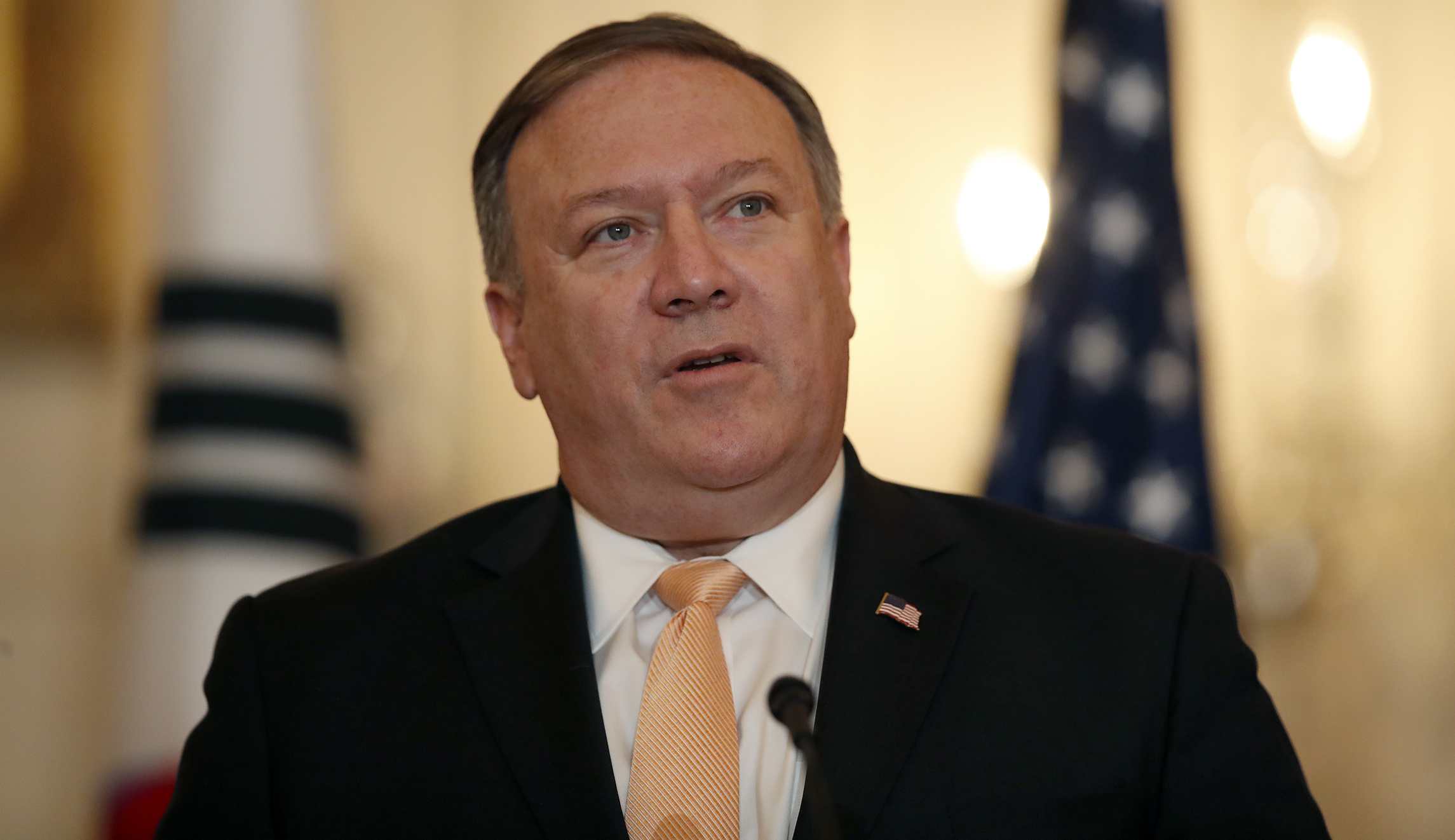
The Trump administration will resettle a maximum of 30,000 refugees in the U.S. in fiscal 2019, Secretary of State Mike Pompeo announced Monday following an internal debate, a cut from the 45,000-person refugee cap set for fiscal 2018.
Pompeo unveiled the cap alongside the latest figures for individuals seeking asylum in the United States, which he said could include another 280,000 people. Pompeo justified the move by pointing to the need for comprehensive background checks, not only for refugees but also for a historic wave of asylum-seekers to the United States.
Recommended Stories


“The United States anticipates processing up to 310,000 refugees and asylum seekers in fiscal year 2019,” Pompeo said during remarks at the State Department, explaining that the figure was a combination of 30,000 refugees under the new cap and 280,000 asylum seekers. An additional 800,000 asylum seekers are already inside the country awaiting adjudication of their claims, he added.
“The magnitude of this challenge is unequaled in any other country,” he said, emphasizing the need to improve the background checks for asylum-seekers. “The American people must have complete confidence that everyone resettled in our country is thoroughly vetted. The security checks take time, but they’re critical.”
Under federal law, “refugees are generally people outside of their country who are unable or unwilling to return home because they fear serious harm,” according to U.S. Customs and Immigration Services. “The [280,000] is in line with what we did this [fiscal year],” a Department of Homeland Security spokesperson told the Washington Examiner.
An asylum-seeker is someone who reaches the United States or a U.S. border crossing and requests protection. Pompeo said that the cut in the refugee cap was necessitated by “the daunting operational reality” of the need to process more than 1 million asylum claims.
The Trump administration’s policy drew criticism during the internal debate from refugee advocates. Historically, the United States has maintained a much higher refugee cap, which “hovered primarily in the 70,000 to 80,000 range” during George W. Bush and Barack Obama’s presidencies, per the Washington Post.
“The issue is not either the need internationally or ability to process these refugees, it’s the administration’s will,” Mary Giovagnoli, the director of Refugee Council USA, told the New York Times in August. “There’s a continued concentration of power in the hands of folks who don’t support a robust refugee program.”
Pompeo defended the tighter scrutiny. “We must continue to responsibly vet applicants to prevent the entry of those who might do harm to our country,” he said. “Already this year, we have seen evidence that the system previously in place was defective. It allowed a foreign national to slip through who was later discovered to be a member of ISIS, as well as other individuals with criminal backgrounds.”
Anna Giaritelli contributed reporting.
