

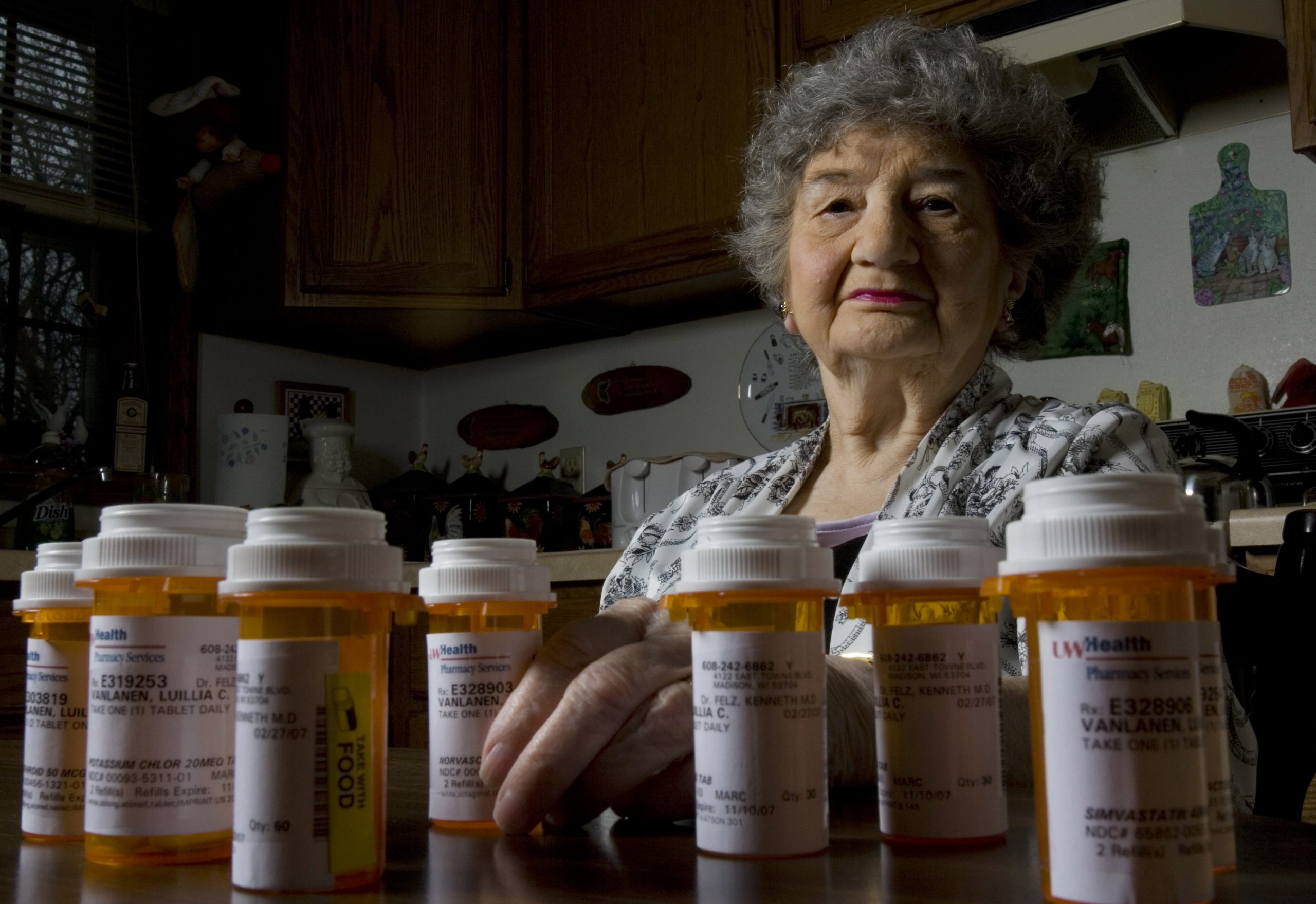
Most seniors will end up paying more for their needed medications next year, with Medicare prescription drug premiums expected to rise 13 percent. It is the largest increase in seven years.
The findings from an analysis by Kaiser Family Foundation was released Tuesday, two days before Medicare’s open enrollment period starts and gives seniors a chance to change their coverage.
Recommended Stories


Kaiser estimates that the average Part D premium, Medicare’s prescription drug plan, will increase from $36 to $41 per month next year.
“Even if a number of beneficiaries switch or are reassigned to lower-premium plans, the average premium increase for 2016 is likely to be the largest since 2009,” the nonpartisan group said in its report.
The premium increase will vary by region. For example, the New Mexico region will pay an average $29 per month while seniors in Florida will pay an estimated $45, the analysis said.
Kaiser also found that beneficiaries in each region next year could choose among an average 26 prescription drug plans, which is down by four from 2015.
Low-income seniors who get a subsidy also will have fewer prescription plan options available at a zero premium next year compared with 2015, Kaiser added.
“Many may be reassigned to different plans or will need to switch to a different plan to continue without a premium,” the group said.
In addition, more than one-third of the 11.2 million prescription plan enrollees who don’t receive a low-income subsidy will pay premiums of $60 or more a month next year if they stay in the same plan, Kaiser said.
The analysis doesn’t go in detail into the underlying reason for what is behind the increase. However, public health programs have been struggling with how to deal with pricey specialty drugs that treat a wide range of life-threatening diseases such as cancer and hepatitis.
