WHEN IT COMES TO WEAPONRY, America’s prowess is unmatched. Precision-guided bombs and missiles that can target a specific window in a specific building in downtown Baghdad have become the symbol of U.S. combat power. But America’s greatest military advantage lies in its unparalleled ability to command its forces and control them during wartime. This may sound intuitive, but a closer look reveals just how amazing the U.S.’s capability in command and control (what military types call “C2”) really is. America’s enemies may have weapons that can match or even beat ours in some cases. They may have systems that can counter some of our best surveillance. But no one else on the planet has the ability to keep tabs on thousands of aircraft and tens of thousands of vehicles and hundreds of thousands of troops at the same time–during battle. And no one else has the technology or the training to do this from thousands of miles away.
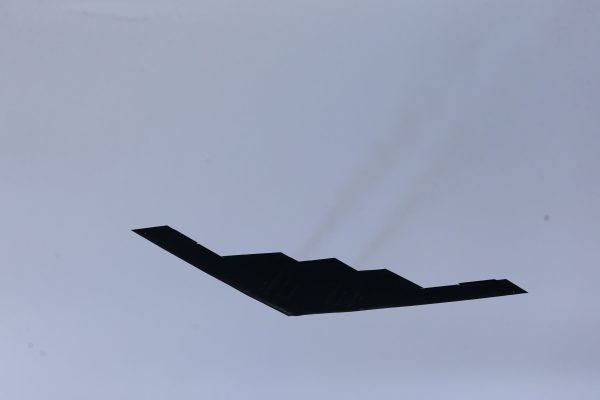
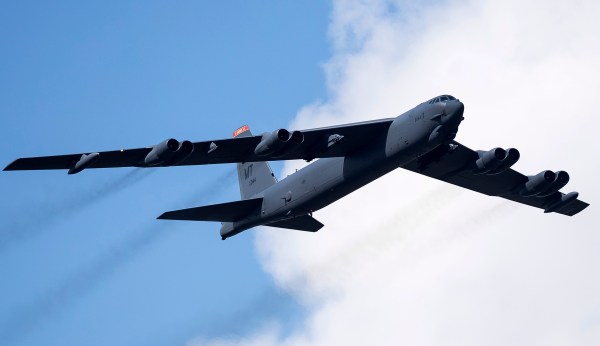
Consider April 1, 2003: In 24 hours, more than 1,000 air strikes were launched against strategic and tactical targets all over Iraq. In one night of operations, the Air Force controlled B-52 Stratofortress bombers, B-2 Spirit stealth bombers, and B-1B Lancer supersonic bombers–the three types of bomber aircraft in the U.S. inventory. All went to separate targets across the country and each came from bases spread throughout the world. The B-52s flew that night’s mission from an air base in Britain; the B-2s likely flew from the remote Indian Ocean island of Diego Garcia, or from their home base in Missouri; the B-1s came from a base in the Persian Gulf. All of these sorties were meticulously planned and timed and “deconflicted” from other aircraft filling the Iraqi skies that night and U.S. troops swarming the sands below.