The on-again, off-again nature of economic stimulus negotiations may provide a useful brake to evaluate the proposals on the table more carefully. The economic effects they will have depend heavily on economic issues that the big-government coalition of House Speaker Nancy Pelosi and Treasury Secretary Steven Mnuchin is seemingly unaware of. If they get what they want, the economy will be slowed down further, and relief will not be focused on those who need it the most. The White House needs to understand the economic impact of their proposals better, or they will be disappointed when reality departs from their economic or political intentions.
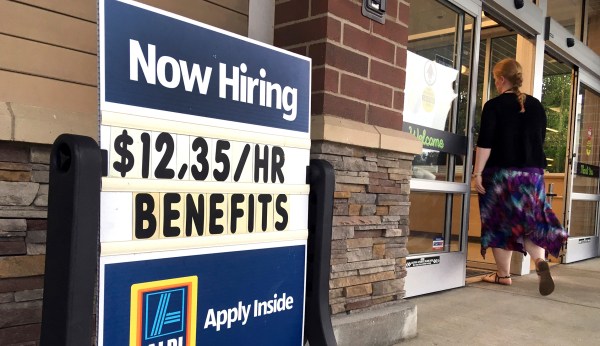
Before continuing to subsidize unemployment further, it is critical to know whether a reduction in labor supply or labor demand is responsible for the slowdown in the recovery. It is by now well understood that most of the unemployed earned more on unemployment insurance than in their previous job under the boosted benefits provided by the CARES Act. The current proposed range cuts the $600 per week back to between $300-400 per week, but that still means most of the unemployed will earn more than they would have in their prior job.