
It is hard to know if Thomas L. Friedman’s love affair with China, already reaching approval of autocracy, is so intense that he is blind to reality or that he simply likes to pick and choose facts from China to buttress whatever he thinks we should do in America. His recent column in the New York Times, “The New Sputnik,” is mostly a recitation of what is widely known. China, both because it is increasingly concerned about pollution and because there may be business opportunities is looking to “go green” or, at least, more green than it has been as it has built, and continues to build, many coal fired electric generating plants, and typically without the latest anti-pollution technology. This is not particularly surprising and has precious little to do with global warming. As populations become more affluent they tend to value less tangible goods such as cleaner air and water. Besides which coal is problematic for China, as its reserves are located distant from its population centers and its rail system is already straining with over half its total rail capacity being used to transport coal. Friedman’s push is that China is doing more work in solar power and wind generation and this is, like Sputnik, a direct challenge to the U.S. that warrants a strategic response – by which he means a governmental response. He then blames business, in the form of the U.S. Chamber of Commerce and says that the Chamber, “having sold its soul to the old coal and oil industries, uses its influence to prevent Congress from passing legislation to really spur renewables.” One could read this column and never glean a hint that the primary way China is going green when it comes to electrical power generation is by ramping up nuclear power plant construction:
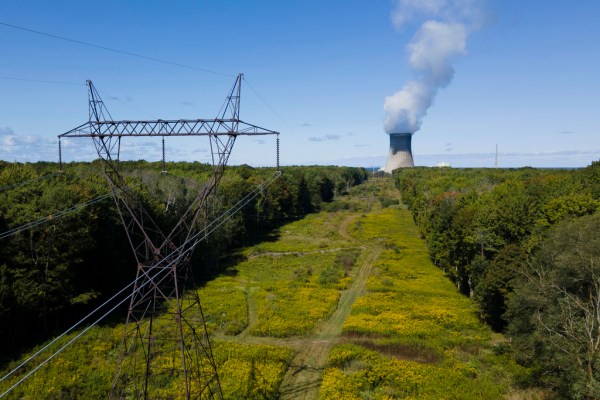
Japan Steel Works Ltd., a maker of atomic reactor parts for Areva SA and Toshiba Corp., more than doubled its forecast for China’s nuclear plant construction because of stimulus spending and environmental pressures. The country may build about 22 reactors in the five years ending 2010 and 132 units thereafter, compared with a company estimate last year for a total 60 reactors, President Ikuo Sato said in an interview.

Print subscriber? Click here to login/register your account
Digital subscriber? Click here to login/register your account.