
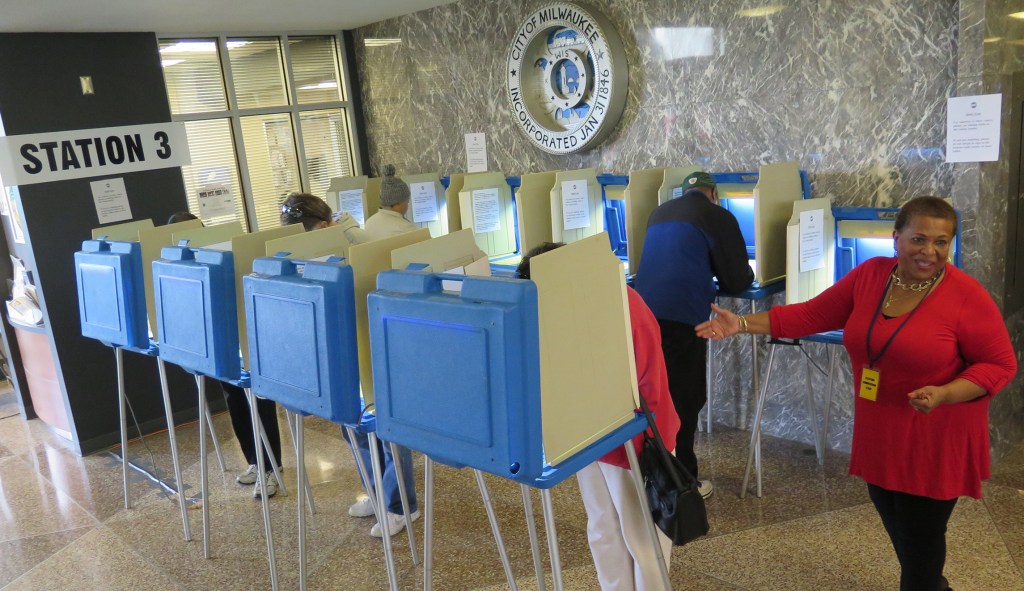
In less than a month, the U.S. Supreme Court will hear Gill v. Whitford, a politically charged gerrymandering case, and rule on whether Wisconsin’s State Assembly map was intentionally drawn to favor one party over another. Called “the most important” case of the term by Justice Ruth Bader Ginsburg, the court’s decision could be a death knell to partisan redistricting, transforming the way political districts have historically been drawn.
Even the most casual observer of the case is bound to stumble upon various methods of measuring gerrymandering, including the one used in this case — the widely cited “efficiency gap.”
Recommended Stories


Print subscriber? Click here to login/register your account
Digital subscriber? Click here to login/register your account.