

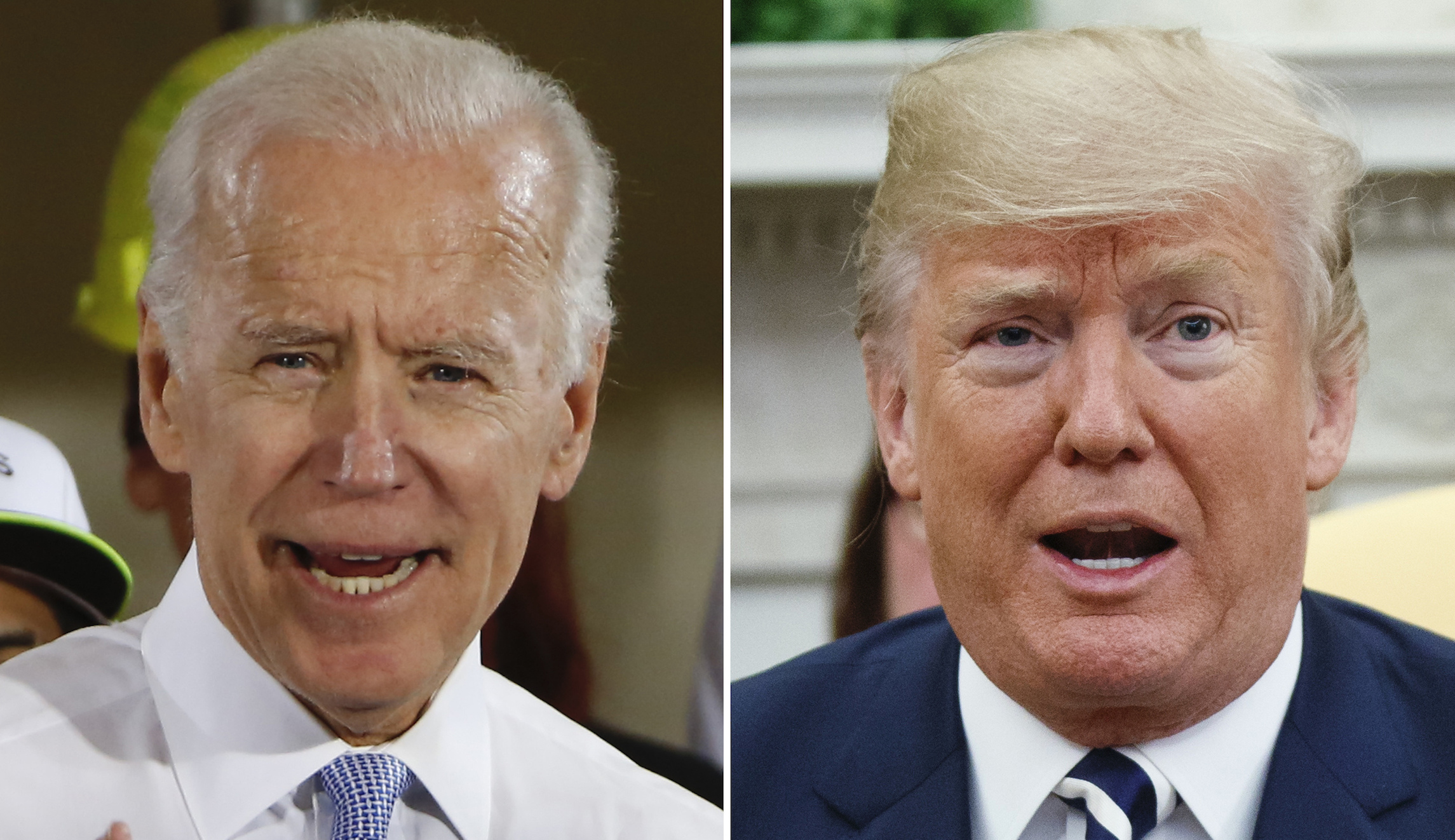
If there’s one lesson we should have learned from the 2016 election, it’s to be wary of polls and definitive predictions.
The same goes for the 2020 election. Nearly every poll has Democratic presidential nominee Joe Biden leading President Trump by a significant margin, but there’s reason to believe the race is much narrower than it seems. A recent study found that Republicans and independents are twice as likely as Democrats to conceal who they plan to vote for. They’re often more hesitant to share their political preferences with family and friends, and they’re even more hesitant to be honest when answering pollsters, according to CloudResearch.
Recommended Stories


The survey found that 10.1% of Trump supporters were “likely to be untruthful on phone surveys.” Only 5.1% of Biden supporters said the same. That means support for Trump could be understated in current polls.
When surveyors asked the hesitant respondents why they would conceal their honest opinions, one respondent said, “I don’t believe the information would be confidential, and I think it’s dangerous to express an opinion outside of the current liberal viewpoint.”
Another said, “Well, I probably wouldn’t give my opinion period, but if pushed, I would not give my real opinion for fear of reprisal if someone found out.”
And yet, another argued that “most polls released to the public are slanted and aren’t scientifically based.”
“So, they are messing with the results of the survey from the beginning by knocking down one party or the other. I’m just trying to right the ship,” the respondent explained.
CloudResearch only interviewed about 2,000 registered voters in total, so it’s possible these replies are not representative of all Republicans and independents. But the more I speak with friends and family about the upcoming election, the more I encounter similar sentiments. Few Trump supporters I know believe that what they tell pollsters will make a difference, and several on-the-fence voters have admitted to me that they feel uncomfortable talking about politics amid such polarization.
Again, these are just anecdotes. But these voters clearly made a difference in 2016, and they could very well determine the election this time around, too.
