Many people talk about America’s “soft power” as a key to success in defeating extremism around the world. Soft power is the ability to win over the hearts and minds of people, to influence their thinking and change behavior through the spread of ideas, dialogue and cultural exchanges. Certainly, culture, technology and entertainment originating from the United States are a potent form of influence globally.
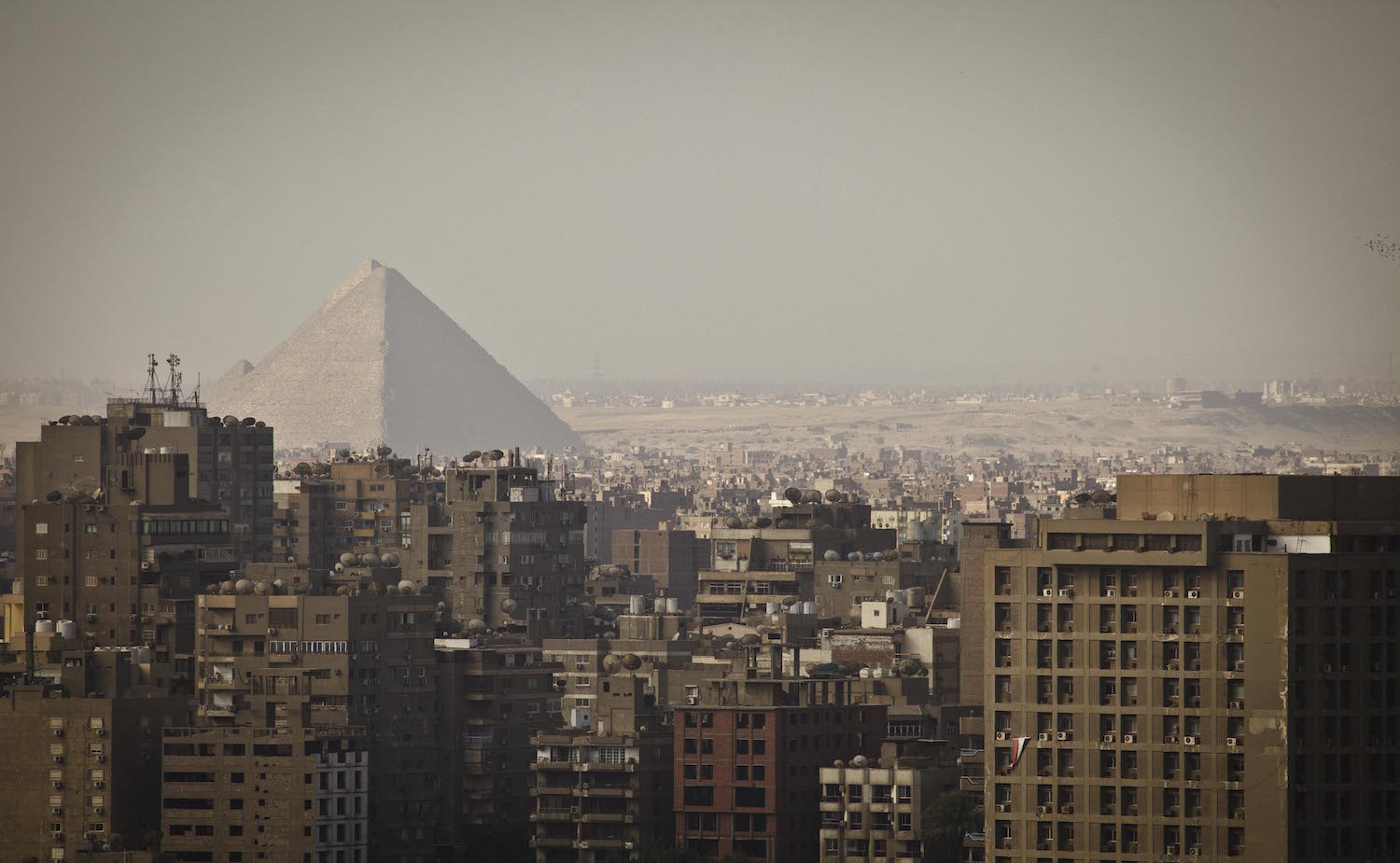
In the Arab world, Egypt has been long recognized for its own brand of soft power. Home to 90 million people, it is the most populous nation in the Middle East. For the past century, Egypt has also been the most important center for scholars, artists, authors and intellectuals who have played an essential role in shaping Egyptian society and influencing Arab populations around the world.
In the last century, Egypt was the first Arab nation to open itself to the Western world. An Egyptian novelist, Naguib Mahfouz, is the only Arab writer to have won the Nobel Prize in Literature. Egypt remains today the most progressive country in the Middle East in the creative fields of film, television, music and media. For example, Egypt’s film industry dates to the 1930s. More than three-quarters of all Arab-language short and feature-length films have originated in Egypt. Cairo and Alexandria host international film festivals.
Egypt is also the most influential television industry in the Arab world, with television audiences across the region watching Egyptian-produced dramatic programs, soap operas, musicals and comedy programs, as well as the most-popular evening talk shows – all transmitted in the Cairo dialect. Even as Egypt’s dominance in the Arab entertainment world is being challenged by emerging media hubs in the Gulf countries, Egyptian performers remain the most watched and followed personalities.
The Arab music scene is also heavily influenced by Egyptian artists. From the vocals of Umm Kulthum, whose songs from the last century are still broadcast across the Arab world, to the birth of the Arabic pop movement in the 1960s and 1970s, Egyptian music is exported throughout the Middle East. Egyptian radio stations broadcast programming throughout the region in Arabic, English, French, Italian and Hebrew.
In addition, Egypt is home to important cultural institutions such as the Cairo Opera House and the Library of Alexandria, which reopened in 2002. The American University in Cairo and Cairo University are ranked among the leading institutions of higher education in the Arab world. Each year, 300,000 Egyptians obtain college degrees, many in science, technology and engineering. Reforms being advocated in Egypt to education curriculums in our schools could be adopted elsewhere in the Arab world.
Egypt’s soft power is important not only for the country’s identity, but also to encourage a serious discussion among Arabs on religious discourse. It can support a culture that discourages hate speech and promotes the co-existence of all peoples. While this effort must be led by our political leaders, scholars, entertainers and cultural influencers can contribute to this dialogue. Next month, Pope Francis I will visit Cairo to promote improved relations between Muslims and Christians.
Another form of soft power can be Egypt’s empowerment of women. Women have the right to hold public offices and vote, we are protected from discrimination in the workplace, we have access to higher education, and we can choose our own attire, to drive, and pursue a career and family life. Ours can be a model for other Arab societies to emulate.
Egypt’s soft power has been challenged in recent years by political instability and economic uncertainty. But the Egyptian people have proven to be resilient and one reason, I believe, is the central role of culture in our national identity and daily lives.
Egypt is today seeking a more robust relationship with the United States to advance a more prosperous and secure Middle East. No doubt, there will be new diplomatic, economic and security actions and cooperation. But we should also recognize the importance of soft power diplomacy and ensure that we work together to use this powerful tool to advance a more prosperous and secure Middle East.
Dalia Youssef is a member of the Egyptian Parliament and serves as the chairwoman of its Committee on Foreign Relations.
If you would like to write an op-ed for the Washington Examiner, please read our guidelines on submissions.
