
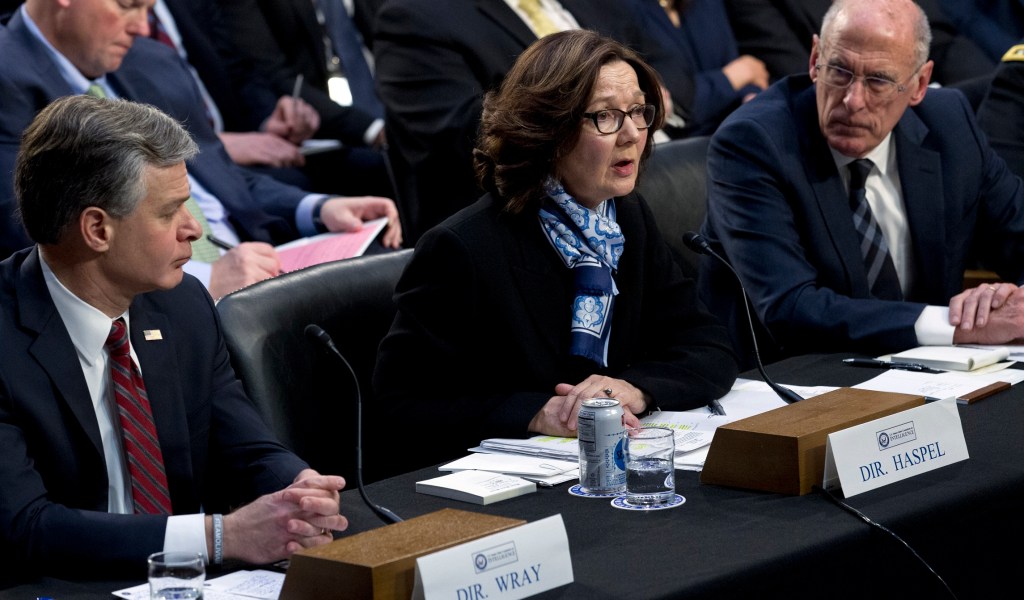
To the public, the U.S. intelligence community can look like one big, black, secretive hole. The 17 agencies that make up the community are staffed with tens of thousands of workers who put their lives on the line for their country. But for understandable reasons, most people don’t know what’s going on, lest any slip of the tongue result in botched operations.
But there is a cost to secrecy as well. Overclassification is a recurrent problem — just ask a John Sopko, the special inspector general for Afghanistan reconstruction, who is unable to acquire some of the most rudimentary statistics from the U.S. military. With more secrecy comes less transparency, which can correlate to a less informed public.
Recommended Stories
Print subscriber? Click here to login/register your account
Digital subscriber? Click here to login/register your account.