

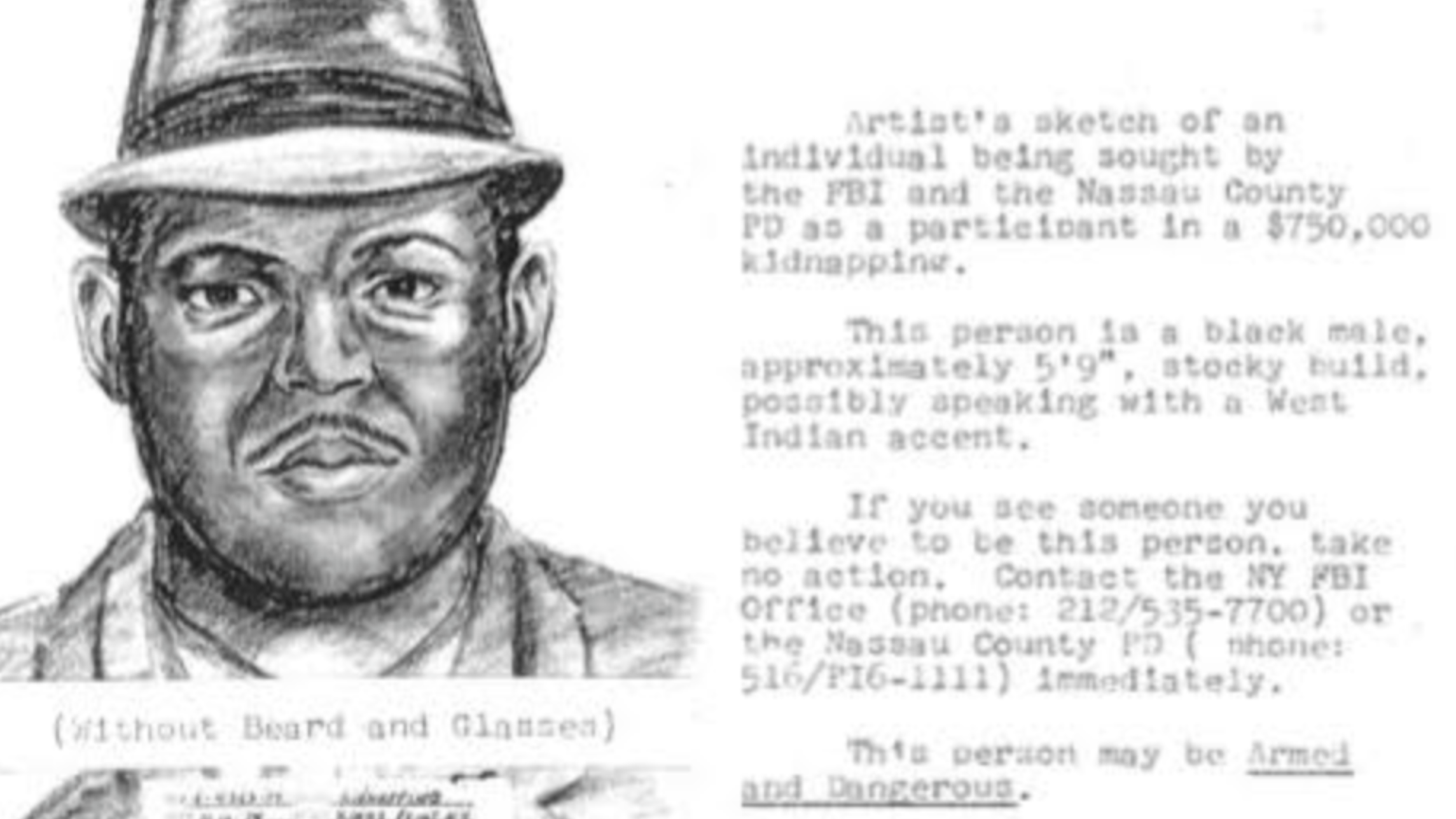
In 1974, I was a new FBI agent and the only female agent assigned to the New York Office of the FBI, responsible for the investigation of kidnap cases. On Nov. 13, I came to work prepared to fly to the Boston office on a temporary assignment. However, I was told that I would instead be going to Kings Point in Long Island where a businessman named Jack Teich had been kidnapped at gunpoint the day before. Little did I know then, it would be the largest kidnapping case in America at the time.
My assignment was to remain with Teich’s family to ensure their safety and to develop a trusting and cooperative relationship. When I arrived at the Teich residence, I was astonished when I met Janet Teich, a young woman with two little boys. I’m not sure what surprised me most then, but it was probably Janet’s age and the stark realization of what she was going to have to endure. Forty-six years later, I still clearly remember exactly what went through my head: “This guy has to come home!”
Recommended Stories



Jack’s radical captors revealed their motives in a chilling ransom letter that read, “Jack is alive and safe for now. His arrest is due to crimes against poor people. Pay his fine …or he will be executed. If your corrupt police get involved and attempts are made to trap us, Jack will die. Then the entire family becomes targets. You are being watched.…’Death to racist capitalism!'”
During his captivity, the kidnappers terrorized Jack with anti-Semitic rants, blaming Jews for the plight of poor people around the world.
These self-proclaimed revolutionaries demanded what was at that time the highest ransom in U.S. history. In an unprecedented operation, $750,000 (the equivalent of $4 million today) was pulled together. Originally, I was supposed to pose as Janet for the ransom drop, but Janet feared the kidnappers would know it wasn’t her, so she bravely volunteered to do it, accepting the risk of possibly facing armed militants in order to save her husband’s life.
Shortly after, Jack was released off the Horace Harding Expressway, near JFK airport. I can still remember the overwhelming and collective sigh of relief in hearing the news that Jack was coming home.
As Jack highlights in his new book, Operation Jacknap: A True Story of Kidnapping, Extortion, Ransom, and Rescue, Janet played an integral role in our work. She willingly gave permission for law enforcement to install electronic equipment, intercept mail, and establish a “command center” in her home. She greeted this invasion of her home with gratitude and kindness, treating all of us like family. Personally, the week I spent with Janet that November drove home the importance of my job as an FBI agent and how doing it well affects people in terrible situations. In terms of the sheer terror inflicted, I view kidnapping as one of the worst of crimes. I shared this terror with the Teich family, and even today, I still feel a responsibility for Janet and Jack.
Unfortunately, the accomplices involved in this violent crime were never brought to justice, and the lion’s share of the ransom money was never recovered. I hope the publication of Operation Jacknap will ignite a renewed interest in Jack Teich’s case and yield some long-awaited answers.
Both Jack and Janet have never forgotten the many law enforcement officers dedicated to Jack’s rescue, and they remain close with many of us to this day. I feel very honored to be one of those people.
Margot Dennedy is a retired FBI special agent.
