

Facebook, reversing course on an earlier policy, will exempt the news media from a political ad archive that offers users more information about the purchasers of promotional spots in order to protect unwary voters from manipulation.
Many news organizations had complained that having their names linked to ads for articles about specific candidates or issues might leave the misleading impression that they were advocating for a position rather than simply attempting to draw viewers to objective coverage, an argument that Facebook initially rejected.
Recommended Stories


Giving users the ability to see who was paying for ads and what content they had supported in the past was too important a goal to make exceptions, the Menlo Park, Calif.-based company argued during the summer, particularly after U.S. intelligence agencies said foreign governments had used Facebook and other social media platforms to manipulate voters in the 2016 presidential election won by Donald Trump.
“We’ve since built more controls to help prevent politically motivated actors looking to use false news or sensationalism as weapons,” as well as an indexing process to identify pages posting news, Rob Leathern, the company’s product management director, said in a post on the site.
“We’ll utilize this new process to ensure that ads from news outlets no longer get archived as the index rolls out more broadly,” he added. “We want to do all that we can to support journalism, and we know the inclusion of news ads has been problematic for a number of news organizations.”
[Opinion: Facebook censoring pro-life political ads, again]
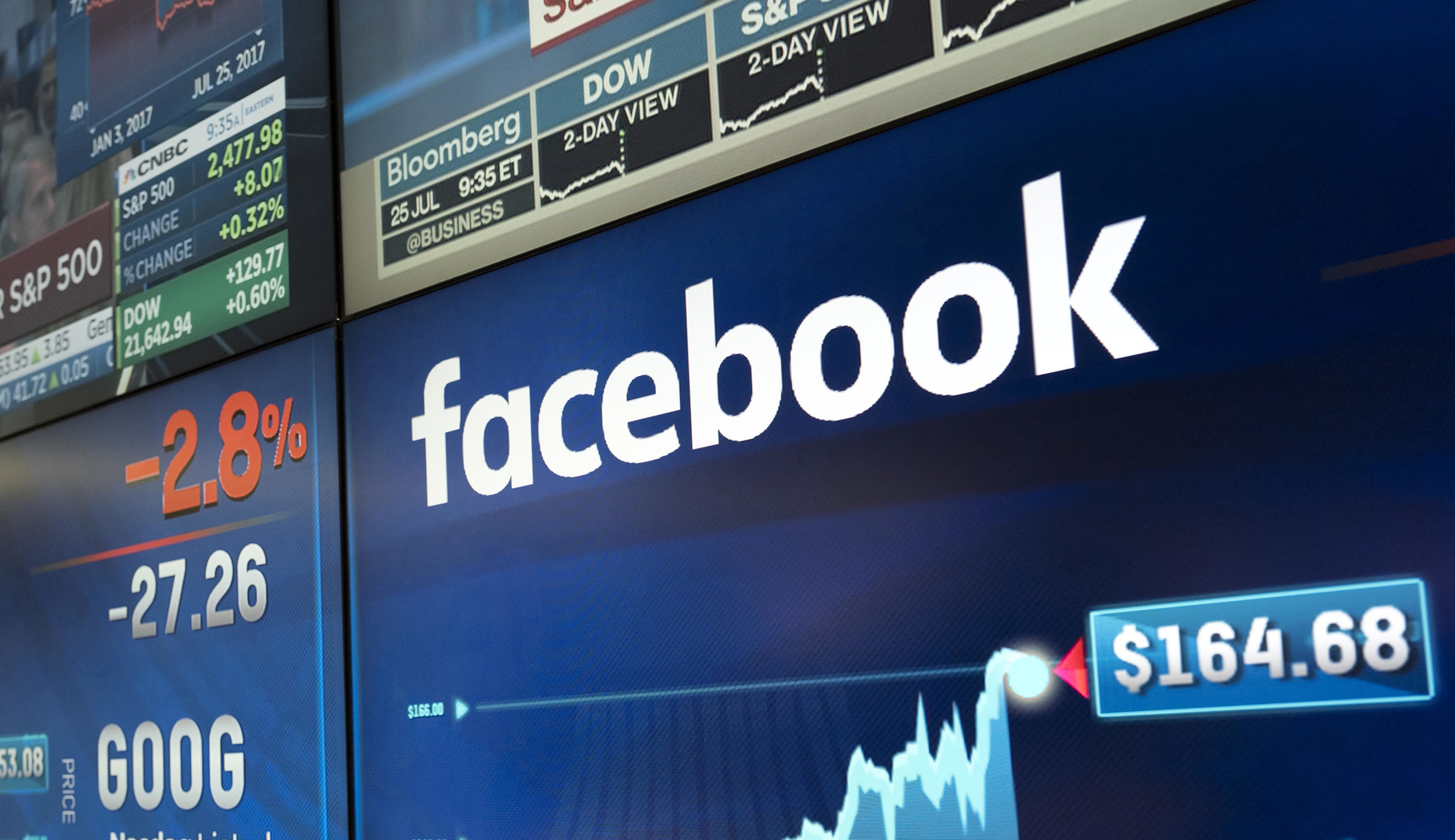
Facebook climbed 30 cents to $137.06 in New York trading on Thursday. Still, its shares have fallen 22 percent this year as executives including founder and Chief Executive Officer Mark Zuckerberg fielded questions from Congress not only about hate speech and bullying, but whether content policies enforced in liberal-leaning Silicon Valley were discriminating against conservative voices.
Like the ad-transparency initiatives, Facebook’s content policies were an outgrowth of criticism over the platform’s misuse in voter-manipulation efforts, which have stretched beyond the U.S.
In the United Kingdom, Facebook began enforcing a policy Thursday that requires advertisers to confirm their identity and location as well as who’s paying for the promotion before they can obtain a spot on Facebook. Political ads will archived for seven years, the company said, allowing users to review ads the owners of a Facebook page have run in the past and how many people each one reached.
“Enforcement on these ads will never be perfect, but we’ll continue to work on improving our systems and technology to prevent abuse,” Leathern said. “Uncovering who ultimately paid for a political ad is a challenge that goes beyond Facebook, but we know that we must make it a lot harder for bad actors to deceive or interfere on our platform.”
As the company’s declining stock price shows, its challenges haven’t gone unnoticed by shareholders.
This fall, New York City joined investors including three state governments in pushing Zuckerberg to give up the role of chairman and calling for someone outside the company’s management team to take it. State treasurers from Illinois, Rhode Island, and Pennsylvania are also backing the measure, originally filed by Trillium Asset Management in June, which calls for a
vote at Facebook’s next shareholder meeting.
Zuckerberg, who has demurred, said he remains open to a variety of steps to make the company more transparent.
Despite the holdings of retirement systems such as New York’s in Facebook, and the possibility of support from additional investors, passage of the proposal without Zuckerberg’s support is an impossibility.
Including his super-voting shares, which each count for 10 shares of common stock, Zuckerberg controls 59.9 percent of investor voting power in the company, according to its April proxy filing.
