Bass crash leaves two top Biden VP picks and several sleepers

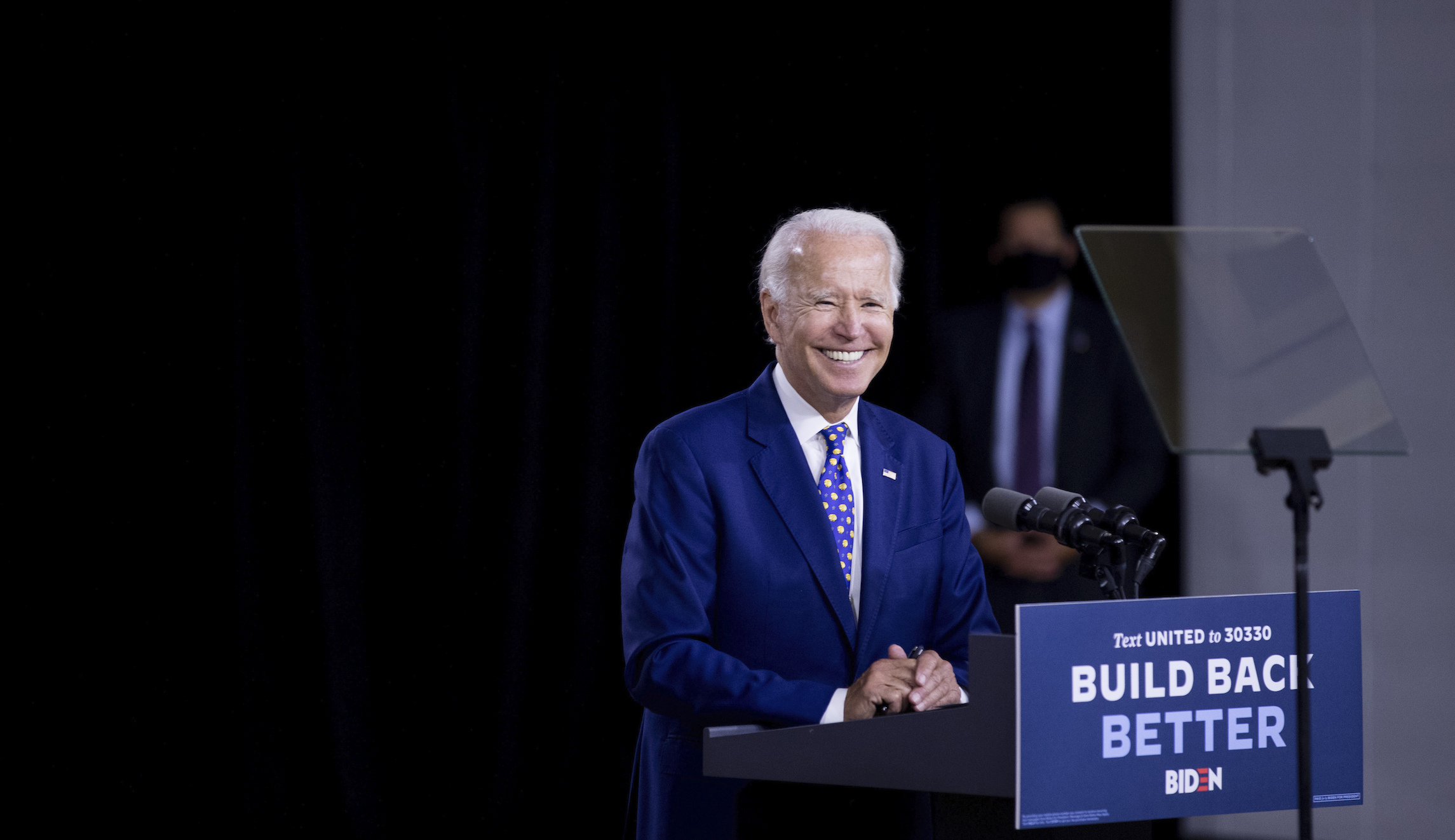
As Joe Biden’s running mate search comes to a close, the many rumored contenders have had a flash of attention before fading into the background.

California Rep. Karen Bass, chairwoman of the Congressional Black Caucus, is the latest contender who rose in running mate buzz, reportedly with lobbying of Biden’s selection committee from high-profile Democrats such as House Speaker Nancy Pelosi.

But a slew of unflattering stories about Bass’s political past has sharply damaged her stock as a vice presidential choice. She recently distanced herself from positive comments that she made about Cuba’s Fidel Castro and took heat for previously addressing the Church of Scientology. In the latest eyebrow-raising story, Politico reported that Bass eulogized a Communist Party USA leader.

The former vice president and presumptive Democratic presidential nominee had previously said that he expected to announce his pick around Aug. 1, or the first week of the month. The campaign later pushed back the expected announcement to the second week of August, which could allow for the news cycle to stay focused on his pickup through the start of the now nearly entirely virtual Democratic National Convention on Aug. 17.

Biden reportedly conducted personal interviews with the top contenders this week. Tidbits of conversations with various outlets suggest that he is most concerned with finding a running mate who will be a loyal and steadfast partner to him in the White House and unquestionably has the capacity to be commander in chief herself. Less of a priority is choosing someone who could energize voters in particular swing states or demographics.

With only days left until an expected Biden announcement, two potential picks are at the top of the buzz: California Sen. Kamala Harris and former national security adviser Susan Rice.

Either black woman would bring not only gender diversity but racial diversity to the ticket, a top concern for Democrats in light of nationwide Black Lives Matter protests about policing and race relations that erupted after the police-involved death of George Floyd in Minneapolis, Minnesota.

Harris has been the favorite potential running mate among voters and observers for months, even dating back to when she was still seeking the presidency herself.

Some advisers and donors close to Biden have been lobbying against her, worrying that her sharp debate attack on Biden last year suggests that she is not loyal and suggesting that she would spend more time trying to become president herself than on the job of vice president.

Biden and his campaign have countersignaled against what some call sexist criticisms.

“I don’t hold grudges. I’ve made it very clear that I don’t hold grudges. I think it was a debate, it’s as simple as that,” Biden said in a Tuesday interview. “She’s very much in contention.”

Rice brings Biden a level of comfort and loyalty, since they both served in the Obama administration, while at the same time having more foreign policy expertise than the rest of the rumored contenders.

But her robust experience comes with controversies that could damage the Democratic ticket and fuel Republican attacks. Those include her role in the Benghazi scandal — in which she falsely characterized the attack on national television — and her connection to what President Trump calls the “Obamagate” controversy, referencing alleged Obama administration attempts to harm the incoming president that Trump says were politically motivated.

Still, there are a number of sleeper candidates left in the mix who would be a surprise ultimate pick for Biden, whose thinking may not align with the anonymous sources willing to reveal internal deliberations to the press or those speaking to the press in order to advocate for a preferred candidate.

Massachusetts Sen. Elizabeth Warren would theoretically help Biden bridge ideological divides and energize supporters of her and Vermont Sen. Bernie Sanders. And it’s not clear that Biden would need Warren to energize far-left voters. He has worked with allies of Sanders to craft policy positions.

At 71, Warren brings no racial or generational diversity to the ticket. Trump’s campaign would undoubtedly mount unrelenting attacks on her past identification as a Native American and her DNA test that showed she had a Native American ancestor six to 10 generations back.

Two other possibilities from the Senate are Illinois Sen. Tammy Duckworth and Wisconsin Sen. Tammy Baldwin, each of whom would bring an additional level of historic diversity to the vice presidency.

Duckworth is a double amputee Iraq War veteran of Thai descent, and Baldwin would be the first openly gay person to assume the highest level of the presidency.

New Mexico Gov. Michelle Lujan Grisham sparked interest not only because of the strict policies she put in place to slow the spread of the coronavirus, but she is the only Latina woman on Biden’s shortlist. That has the potential to energize Hispanic and Latino voters, a demographic that Biden struggles with.

There are some signs that Lujan Grisham is out of the running. She has reportedly expressed interest in being secretary of Health and Human Services rather than vice president.

Being a governor also comes with the risk of being accused of abandoning the state during a crisis, a factor that Michigan Gov. Gretchen Whitmer would also have to deal with.

Whitmer is a newcomer to the national stage closely watched by political observers as a potential future Democratic Party leader, but she has no federal experience, which puts her at a disadvantage.

Two other black women rose up Biden’s potential running mate list as Black Lives Matter protests swept the nation: Florida Rep. Val Demings, who was the first black woman to be Orlando’s chief of police, and Atlanta Mayor Keisha Lance Bottoms, whose handling of the riots and protests in her city bumped her national profile.

The concern for each of them, though, is that the experience of being a mayor or representative is not substantial enough to instill confidence in the ability to be president in the case that Biden was unable to do so.

Related Content
