

Chiquita Brooks-LaSure, President Joe Biden’s nominee to lead the Centers for Medicare and Medicaid Services, is a veteran analyst of safety net policies who helped guide Obamacare to passage.
Biden nominated Brooks-LaSure to head CMS in February, setting her up to be the first black woman to lead the agency. American Hospital Association President Rick Pollack praised the nomination, crediting Brooks-LaSure with “a deep understanding of the importance of health care coverage and protections for consumers.”
Recommended Stories


Brooks-LaSure currently is a managing director at Manatt Health, a healthcare industry consulting firm. She was a high-ranking official at CMS during the Obama administration from 2010 to 2014 and has worked as a Democratic staffer on the House Ways and Means Committee, where she formed ties with Xavier Becerra, Biden’s controversial pick to head the Department of Health and Human Services. She started her career as a Medicaid analyst for the Office of Management and Budget after earning her master of public policy degree from Georgetown University in 1999. She received her undergraduate degree from Princeton University in 1996.
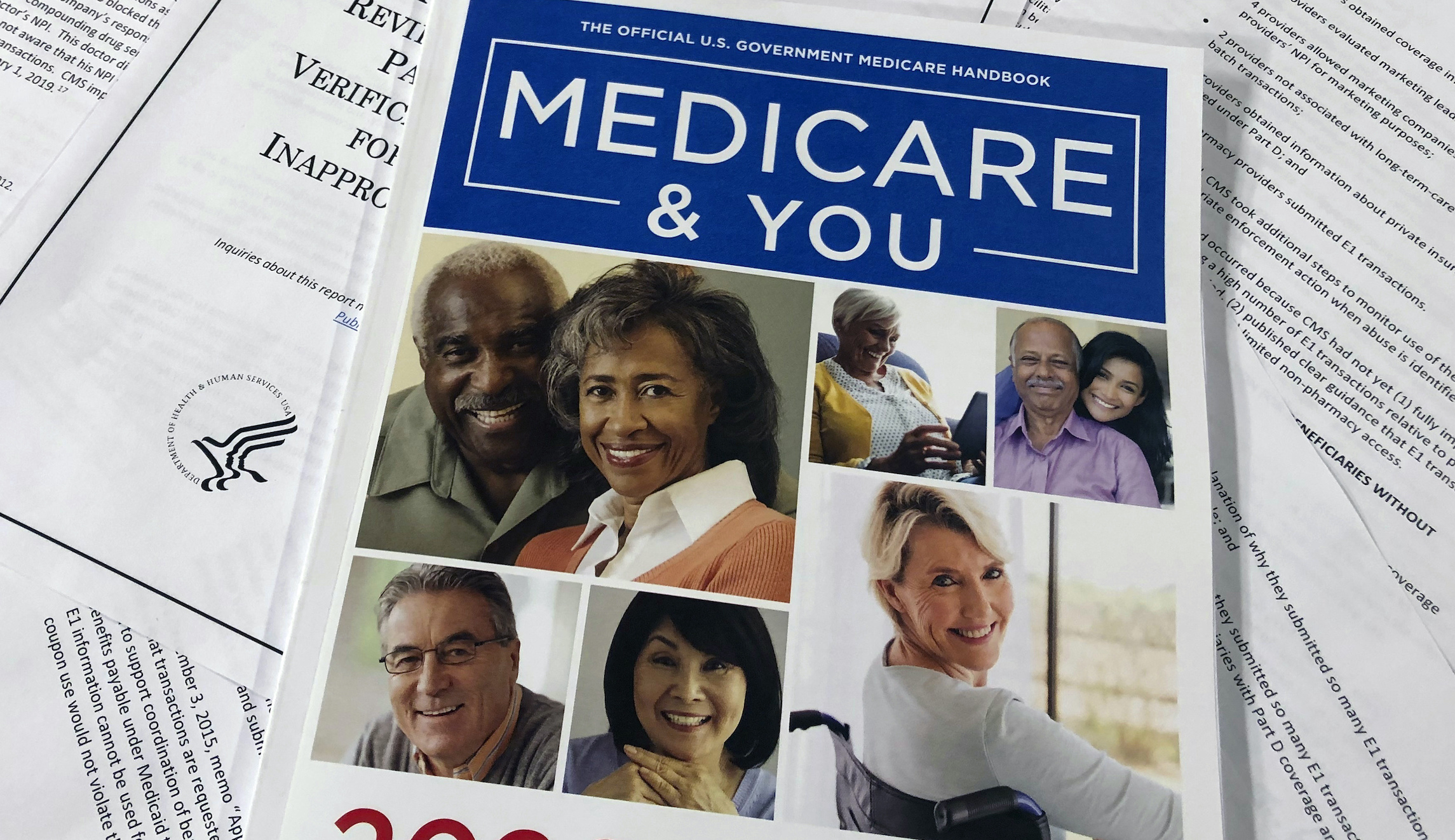
If confirmed, Brooks-LaSure would oversee the world’s largest payer in healthcare, with a budget of over $1 trillion. Here are some notable positions she has taken in the past that would guide her policy objectives if confirmed as CMS administrator.
CLICK HERE TO READ MORE FROM THE WASHINGTON EXAMINER
Obamacare
Brooks-LaSure played a key role in implementing the Affordable Care Act, also called Obamacare, during her time at CMS under former President Barack Obama. She has since advocated for building on Obamacare and expanding access to affordable coverage, consistent with Biden’s stated healthcare goals.
Medicaid expansion
Brooks-LaSure says Obamacare must go farther to provide coverage for people who make too much money to qualify for Medicaid but cannot afford a plan on the state exchanges. In a March 2020 report, she said that delivering high-quality health coverage for poor people “remains the most significant unfinished business” of Obamacare.
Twelve states have declined to expand Medicaid benefits under Obamacare. Brooks-LaSure has proposed increasing the federal government match rate for states that have expanded Medicaid to 100%, hoping it would incentivize other states to expand access to benefits as well.
The federal government currently funds 90% of Medicaid expansion. However, the Biden administration implemented a new incentive last month as part of the American Rescue Plan that would allow states to receive a 5-percentage-point increase in their regular federal matching rate for two years after expansion takes effect.
`
House Democrats have also proposed measures to increase the incentives for states to expand Medicaid. Texas Democrat Marc Veasey introduced legislation earlier this year that would allow the federal government to fund at 100% for three years the Medicaid expansion for any state that has not yet expanded it as envisioned by Obamacare.
Brooks-LaSure also supports Medicare “buy-in” proposals that would allow poor adults younger than 65 who do not qualify for Medicare but make too much money to qualify for Obamacare subsidies to purchase a government plan.
Public Option
While testifying before the House Ways and Means Committee in 2019, she touted the benefits of existing “buy-in” plans, which would require less market adjustment than introducing an entirely new Medicare-like plan known as the “public option,” which would allow people to buy into a public insurance plan rather than an expensive private plan. Biden ran on a campaign promise to introduce the public option as a more centrist solution to lower the cost of health coverage than a “Medicare for all”-type plan touted by liberals such as Bernie Sanders.
“Public option means the government being more prescriptive,” Brooks-LaSure said in 2019. “There’s more of the state weighing in.”
Brooks-LaSure’s confirmation process has not begun, but it will start with questioning from the full Senate Finance Committee, which will decide whether to advance her nomination for a full floor vote.
