
For conservative voters, down-ballot races mean everything

The greatest significance of the Republican wave election of 2010 was not the new majority it produced in the U.S. House. Even greater was its effects down ballot.

Prior to that election, Republicans had controlled only 37 of the nation’s 99 state legislative chambers (including Nebraska’s unicameral Legislature, whose members are nonpartisan in name only). When the dust settled, they controlled 55. This didn’t just create the possibility of making conservative policy at the state level. It also ended decades of Democratic dominance in the all-important redistricting process.

The 2010 election was so important because, for the first time in living memory, it gave Republicans the upper hand in shaping congressional and state legislative districts. To be sure, the aggregate partisan effect of redistricting is generally overrated and misunderstood, and overly aggressive gerrymanders have a way of falling apart over time. Still, the ability to draw the boundaries plays a large role in building and especially in consolidating party majorities.

In 2012, one analysis suggested that the 2010 redistricting round caused a swing of up to nine House seats in the Republicans’ favor, compared to a hypothetical system that awarded seats proportionately based on statewide vote totals. Redistricting is also used in subtler ways, for example, to elevate rising stars in one’s own party and even to discourage ambition among popular opponents by giving them the safest seats possible.

In short, redistricting plays a real role in shaping state and national politics for good or for ill. And control of redistricting is at stake once again in the 2020 election. If an increasingly radicalized Democratic Party makes significant gains, the ramifications will be much greater than they were in 2018.

Democrats well within the mainstream of their party have already signaled that if they win next month, they intend to abolish the Senate filibuster and then ram through a large number of radical policies beginning in 2021. They could at least try to use their newfound majority powers to add two Democratic senators to their numbers from the District of Columbia, further consolidating their power. Sen. Kamala Harris, the party’s vice presidential nominee, wants to see all state abortion regulation erased. The votes could also be there to repeal the Religious Freedom Restoration Act, the only protection many believers have had from arbitrary state hostility toward their religious beliefs.

Joe Biden already intends to raise taxes on an already-fragile economy — just imagine how much more damage he could do by signing laws that abolish state right-to-work laws and a national version of the job-destroying California law that gutted that state’s gig economy.

The important point here is that a Democrat-dominated redistricting process could make it very hard to undo some genuinely awful and destructive policies for many years to come, at both the federal and state levels.

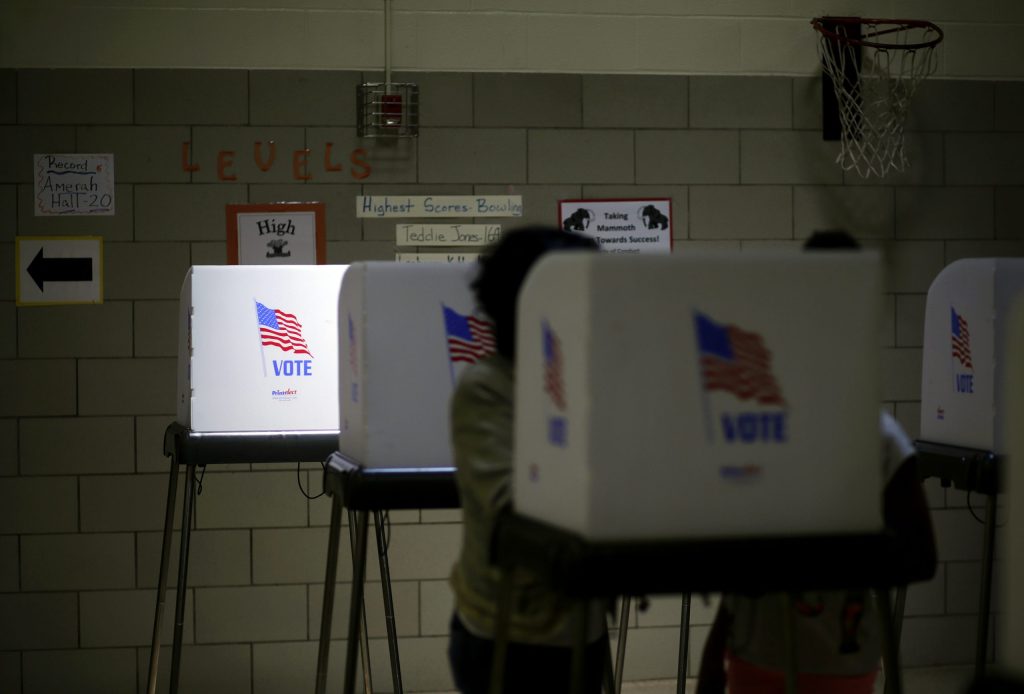
Conservatives voting in this election, including those in non-swing states and even those who cannot bear to vote for President Trump, must keep their eye on this ball. Do not put off voting just because you are uncertain about mail balloting. Local races are often decided by a mere handful of votes, and on aggregate, they could make all the difference for the direction of the nation for the next 10 years.

Related Content