
Six things to watch for with the Wisconsin Democratic primary

Wisconsin’s Democratic primary will take place Tuesday, something that wasn’t a sure thing until the state’s Supreme Court ruled it shouldn’t be delayed due to concerns over the coronavirus.

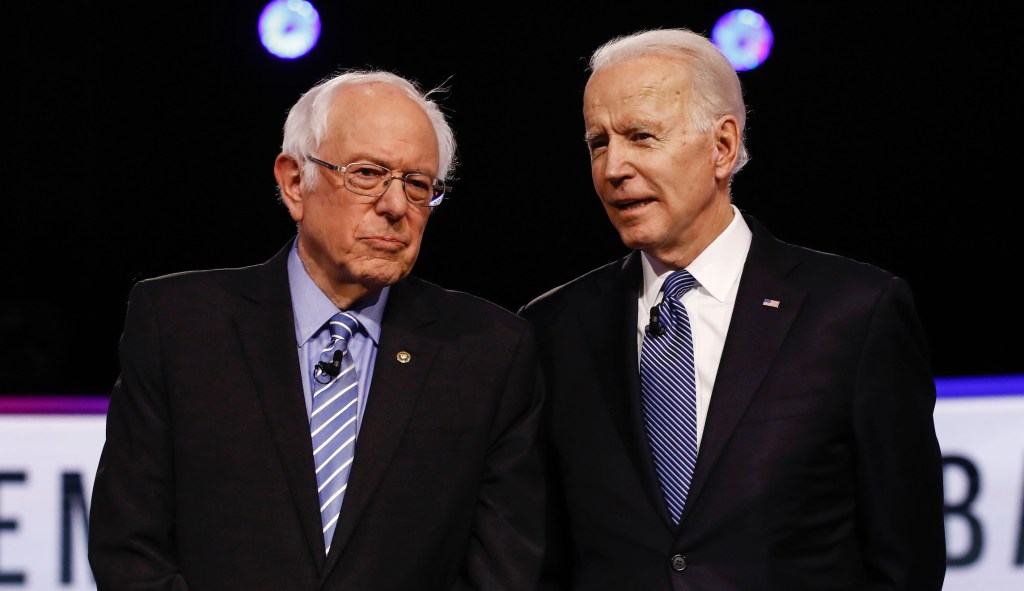
Even if significantly fewer people will likely show up to the polls than otherwise would have, the contest could still have important effects on the Democratic presidential primary race and the right to challenge President Trump in November. Former Vice President Joe Biden enters the contest as his party’s presumptive nominee, with Vermont Sen. Bernie Sanders hanging on in a challenge from the Left.

1. Biden continues his Midwest domination

A Biden win on Tuesday will give more comfort to Democrats about his general election chances. After handily defeating Sanders in Michigan in March, as well as earning a surprise victory in Minnesota on Super Tuesday, the former vice president has demonstrated his ability to win over the critical voting bloc of white, working-class voters. Sanders, on the other hand, who says his message is able to reach those outside of the traditional Democratic coalition, has been largely unable to expand his voting base beyond the young.

2. Sanders surprise victory

Wisconsin should be friendly territory for Sanders, with a much whiter and more liberal Democratic electorate than Michigan. In 2016, Sanders won the state by over 13 points against Hillary Clinton, the eventual nominee. Should Sanders, 78, pull off an upset, expect the race to drag on through the spring or even summer — where many states have moved their primaries to because of the coronavirus.

3. Sanders drops out

Polling doesn’t look good for Sanders, in Wisconsin and beyond. Rumors have been swirling that the socialist Vermont senator’s own campaign manager is pleading on him to drop out of the race, with others expecting him to bow out should he get blown out on Tuesday. A RealClearPolitics average of polls has Biden leading by 18.3 points, with one survey released at the end of March showing Sanders losing by 28 points. So far, an upset doesn’t look to be in the cards. In 2016, Sanders led Clinton in nearly every poll leading up to the primary.

4. Low turnout

Given the uncertainty up to the day of voting, it would be no surprise that tens of thousands, or more, Wisconsinites were unsure if there was even an election held on Tuesday. The mixed messages from the government, as well as the late-breaking court order, means many voters were probably assuming their primary wouldn’t be until June 9, as the governor initially announced on Monday.

5. Progressive outrage

Last week, Sanders called for the state to follow in the lead of 15 other states and push its primary back.

“People should not be forced to put their lives on the line to vote, which is why 15 states are now following the advice of public health experts and delaying their elections,” Sanders said in a statement. “We urge Wisconsin to join them.”

Biden, however, wouldn’t go that far, likely because he wants the primary wrapped up as soon as possible. Should Biden, 77, win the contest, expect many progressives to call the outcome illegitimate.

6. Supreme Court election

Although little-noticed nationally, Wisconsin voters will also have the opportunity to replace a current state Supreme Court judge. Justice Daniel Kelly, an incumbent appointed by then-Republican Gov. Scott Walker, is facing a challenger from liberal Jill Karkofsky. Conservatives currently hold a 5-2 majority on the bench, but Democrats in the state say a win on Tuesday means they could have a majority in 2023 when the chief justice is up for reelection.

Related Content