

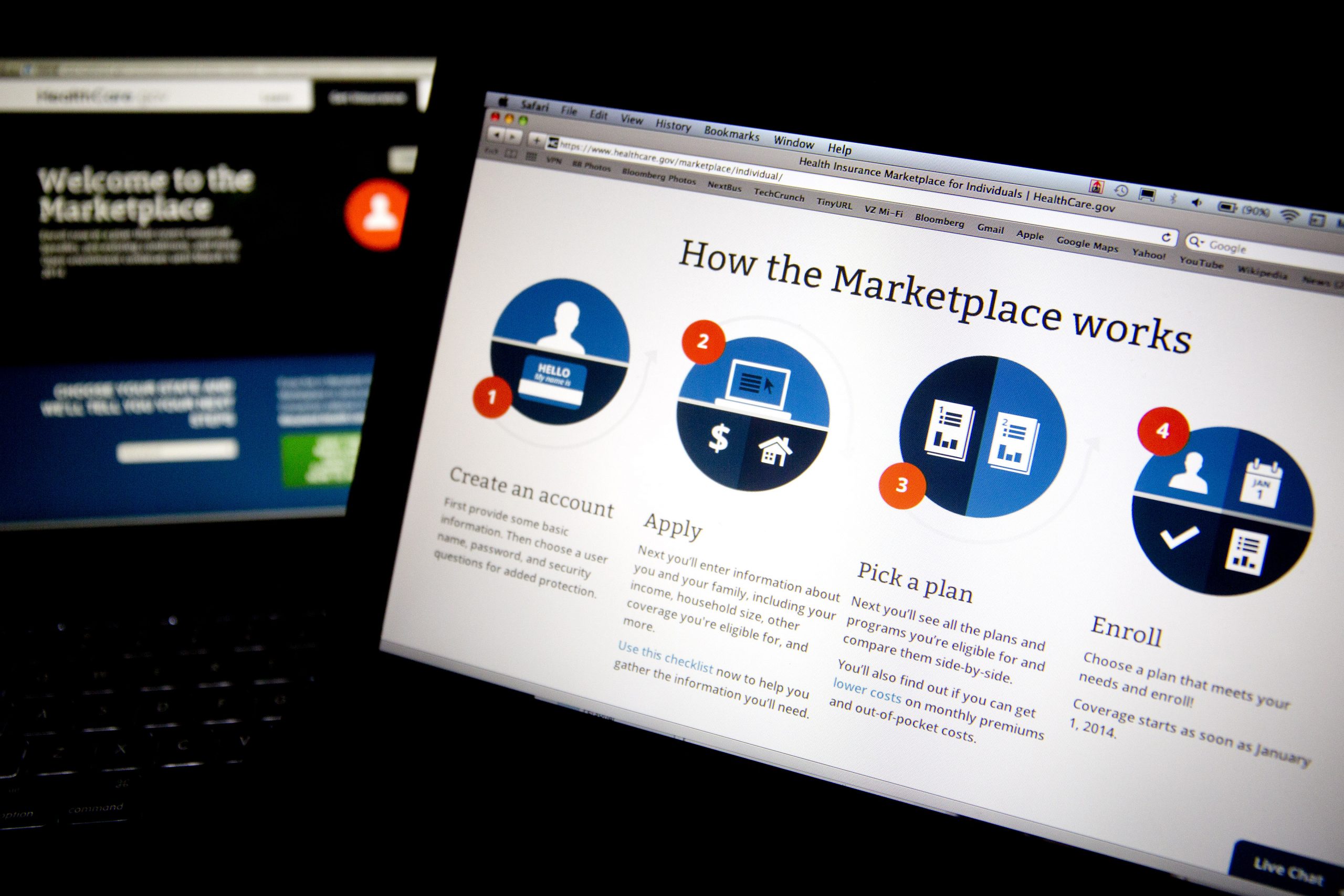
Early filings suggest that Obamacare customers will have more options for medical coverage next year, despite several predictions that the opposite would happen after congressional Republicans stripped the penalty for going uninsured from the healthcare law.
Research from the firm Avalere Health finds that the number of insurers so far that have applied to sell Obamacare plans remains nearly unchanged or has slightly increase, but will have more individual plans to choose from. Seven states will have more options for mid-level plans in 2019 than they did in 2018.
Recommended Stories


The findings are based on health insurance filings in 10 states and the District of Columbia. States have different deadlines, but all rate proposals must be filed to states by July 26.
So far, Virginia and Michigan are expected to have at least one additional insurer.
“The rate filings suggest we may see increased competition and plan choice in many exchanges in 2019,” said Kelly Brantley, vice president at Avalere. “Greater plan choice will allow consumers to select a plan that best meets their health coverage needs.”
But the increase in choice also comes at a cost. Proposed premiums for mid-level plans, or “silver” plans, will increase by 15 percent on average, in 2019 compared to 2018. If the filings are approved, the these plans will increase from an average of $642 per month to $740 per month.
State insurance regulators are expected to negotiate with insurers over final prices, which will be announced before Obamacare’s open enrollment begins Nov. 1. Customers tend to include people who are self-employed or work for small businesses that do not provide coverage.
How much customers ultimately pay for the plans will vary based on whether they smoke, how old they are, where they live, and whether their income is low enough to qualify for subsidies, or less than roughly $48,000 a year for an individual.
Many insurers have been able to offer less-expensive coverage to customers because of the way they structure their plans, increasing the share of what the federal government pays. Because federal subsidies are based on a formula tied to price of a silver plan, by increasing the sticker price on silver plans, insurers are effectively increasing the federal subsidies. The move, known as “silver-loading,” allows certain customers to pay little to nothing for coverage of cheaper “bronze” plans — or even makes “gold” plans an affordable option in some cases.
The early trend showing that more insurers are entering the exchanges or selling more plans is different than various groups had predicted when they spoke about the impact that the repeal of the fine for going uninsured in 2019 would have on the Obamacare marketplaces. The fine, known as the individual mandate, was gutted as part of the GOP tax bill that President Trump signed into law.
The American Academy of Actuaries predicted that insurers would consider fleeing the exchanges if the mandate were to be struck down. Several insurers made similar predictions about the impact of striking the provision, and the Congressional Budget Office recently said that more withdrawals were possible but that most areas of the country were likely to stabilize.
“Insurers are starting to gain a better understanding of who is likely to buy their health insurance through the exchanges, but questions about the stability of the market remain,” said Matt Brow, president of Avalere. “This uncertainty is likely to contribute to substantial increases in exchange premiums across many states in 2019.”
The increase in premium prices is attributable to actions by Congress and the Trump administration, Avalere concludes. For instance, President Trump ended payments to insurers known as cost-sharing reduction subsidies, and Congress failed to pass a bill that would have injected more federal funding into the exchanges and lowered the price of premiums. The Republican repeal of the individual mandate also is expected to contribute to higher prices in 2019.
