

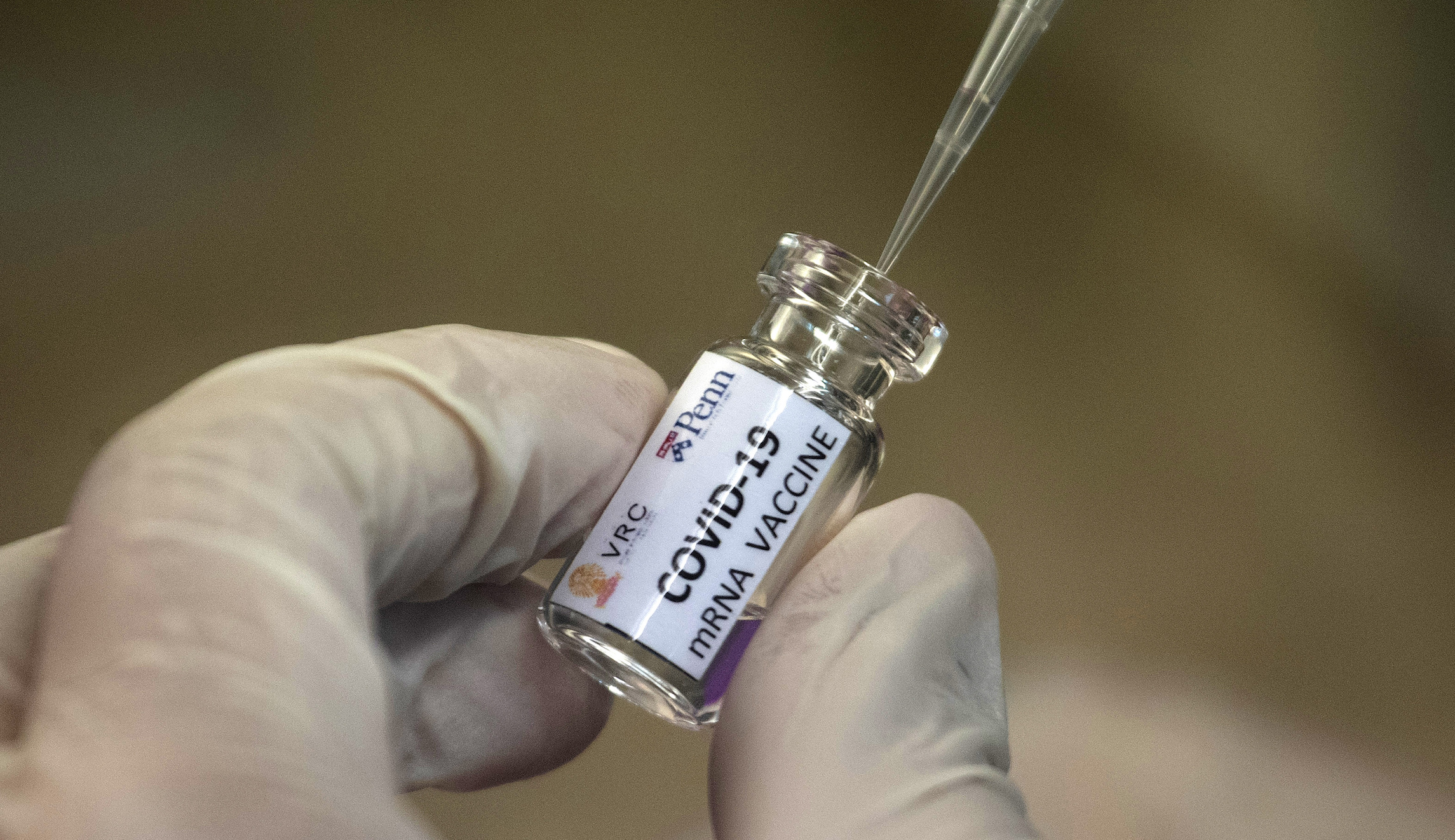
A coronavirus vaccine candidate developed by Oxford University in the United Kingdom with pharmaceutical giant AstraZeneca has shown potential in preliminary trials.
Early human trials found that the vaccine candidate appears to be safe and induced an immune response to infection in all 1,077 volunteers, according to findings published Monday in the medical journal the Lancet.
Recommended Stories


Researchers from Oxford University and AstraZeneca found that the vaccine generated antibodies and killer T-cells that attack virus cells. The team was not able to conclude whether the vaccine would prevent COVID-19 infection, however. Efficacy trials have not been completed.
The research team also found that side effects were minimal. The two most common effects were headache and fatigue. Members of the team said that while early results are encouraging, further study is necessary to conclude that the vaccine will work to protect people from infection.
The vaccine is mRNA-based and uses a low dose of a genetically modified version of the virus to instruct human cells to make the coronavirus protein, which the immune system can learn to recognize and better protect the body against infection.
The Oxford/AstraZeneca vaccine is one of several promising candidates currently in trials. Pharmaceutical company Moderna has pushed its vaccine candidate into phase three, and another candidate from Pfizer is close to entering advanced testing.
Nearly 3.8 million coronavirus infections have been confirmed in the United States, and more than 140,500 people have died.
