Sex and politics collide, history repeats itself

For weeks, Americans have been riveted to the Brett Kavanaugh confirmation drama. Did the Supreme Court nominee sexually assault a girl nearly four decades ago or didn’t he? He said, she said; whose version is correct?

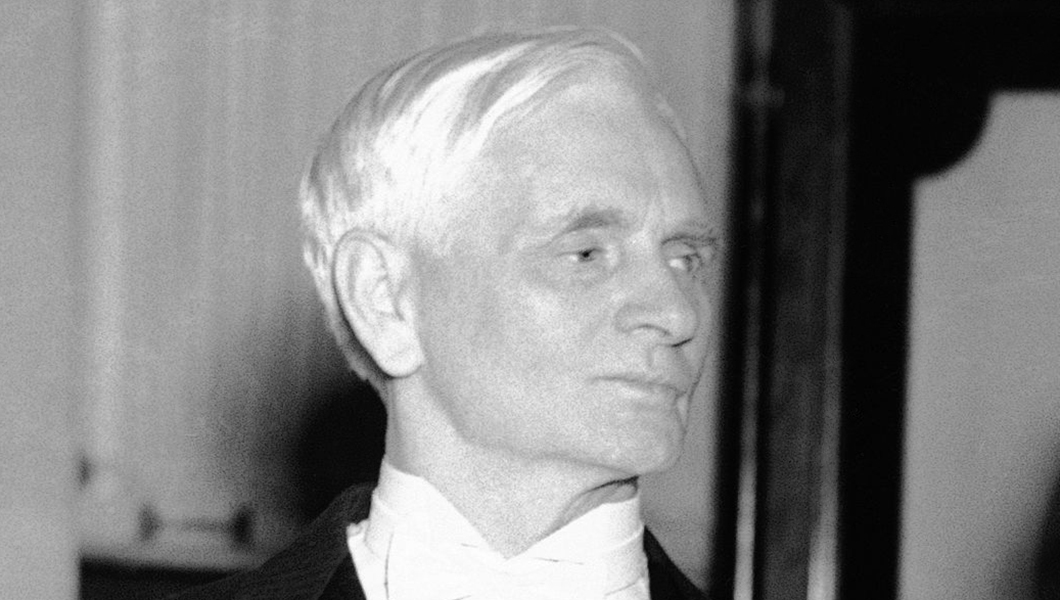
When sex and politics collide, the wreckage is often messy, and it carries enormous personal cost for the accused. Consider what happened to Sen. Gore — No, not Al Gore; this one came long before him.

As a teenager, Thomas Gore was a talented debater and a spellbinding orator. He could hold an audience in the palm of his hand and leave it begging for more. He was involved in politics before he was even old enough to vote. It was no surprise when the populist Democrat was chosen one of Oklahoma’s first senators in 1907.

Gore was also blind. Two separate childhood accidents left him unable to see. The press nicknamed him the Blind Cowboy. But his disability didn’t hinder his Senate career. Gore quickly established himself as someone to reckon with. An early supporter of President Woodrow Wilson, he declined a position in the new president’s cabinet in 1913, opting instead to seek re-election in 1914.

Gore soon found himself in one of the dirtiest campaigns in American history.

Powerful forces wanted him removed from Oklahoma’s political landscape. The year before, influential lawyers had claimed huge legal fees against the Choctaw and Chickasaw Indian tribes. Gore opposed that claim. When attempts to buy off the senator with cash bribes failed, a new tactic was tried.

A woman named Minnie Bond invited Gore to her Washington hotel room. She said she wanted to discuss enlisting the senator’s help in getting a job for her husband. According to Minnie, as soon as the door was closed Gore grabbed her hand. When she drew away, he lunged and tried to sexually assault her. Minnie screamed; a man burst into the room. She said Gore begged her not to tell any one about what had happened.

Instead, Minnie and her husband went to D.C.’s district attorney. After listening to her tale, the DA said there wasn’t enough evidence to warrant pressing charges. But Minnie wasn’t finished.

She threatened to file a $50,000 civil lawsuit (about 25 times the average annual income then) arguing her reputation had been ruined. If Gore dropped out of the race, she would drop her suit. Then as now, allegations of attempted rape were enough to ruin a political career.

The Blind Cowboy’s response to Minnie’s offer? Bring it on. The lawsuit went to court.

The trial made sensational headlines from coast to coast. With Gore up for re-election, the stakes were very high. Reporters hung on every word of Minnie’s lurid testimony. Gore’s attorneys denied everything. It was a classic case of he said, she said.

In the end, the jury didn’t buy it. They deliberated only seven minutes before finding in favor of Gore. The public believed the senator had been trapped in a politically motivated set-up. On Election Day, he carried 74 of Oklahoma’s 77 counties.

The Gore case became an object lesson for politicians. For example, a young Harry Truman had followed the trial in the newspapers. When he later became a county commissioner and U.S. senator he had a fear of being alone with any woman in a hotel room that bordered on paranoia.

Now Americans are weighing another case of he said, she said, and the outcome of another election possibly hinges on how it plays out.

History it seems, never tires of repeating itself.

J. Mark Powell (@JMarkPowell) is a contributor to the Washington Examiner’s Beltway Confidential blog. He is a former broadcast journalist and government communicator. His weekly offbeat look at our forgotten past, “Holy Cow! History,” can be read at jmarkpowell.com.

Related Content
