
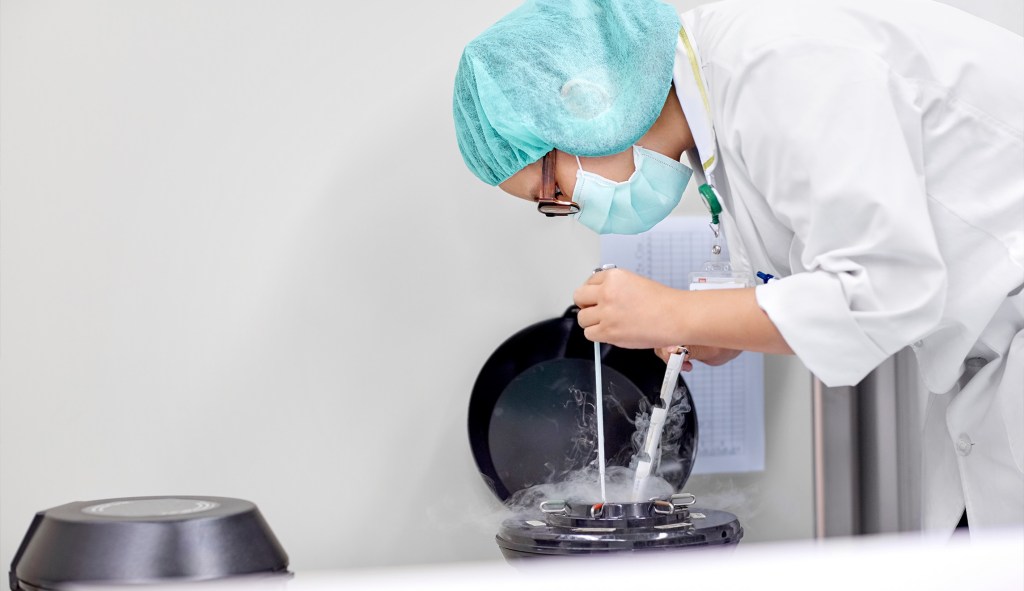
Just over 10 years ago, egg-freezing went mainstream. Once the prerogative of only the seriously ill who might not otherwise be able to bear children someday, it lost its “experimental” treatment label (per the American Society for Reproductive Medicine) and became society’s one-size-fits-all solution for both women who wanted to delay having children until they had advanced in their careers and those who waited years later than their mothers to get married.
The procedure exploded in the early 2010s, promising to put women on equal footing with men. From 2012 to 2020, the demand jumped by over 400%, from some 2,500 women freezing their eggs a decade ago to more than 13,000 doing so now.
Recommended Stories



Print subscriber? Click here to login/register your account
Digital subscriber? Click here to login/register your account.