President Trump may be inching closer to providing answers to special counsel Robert Mueller’s team.
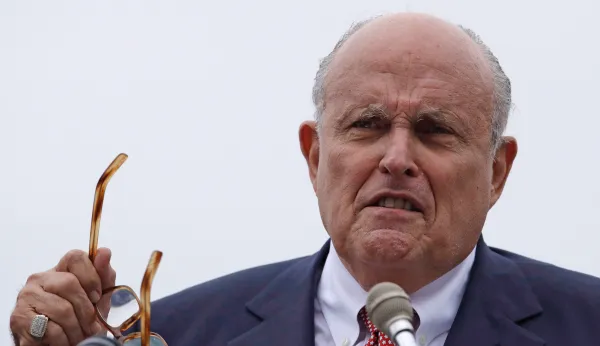
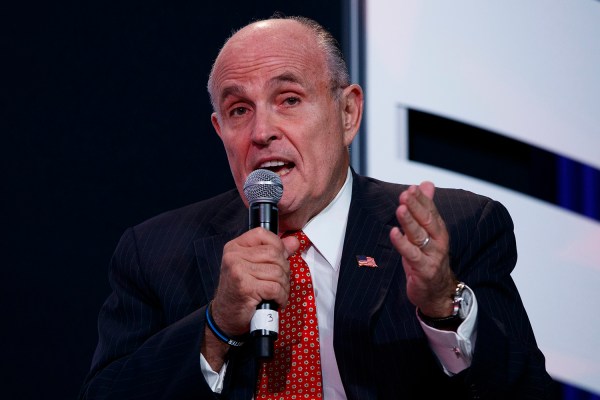
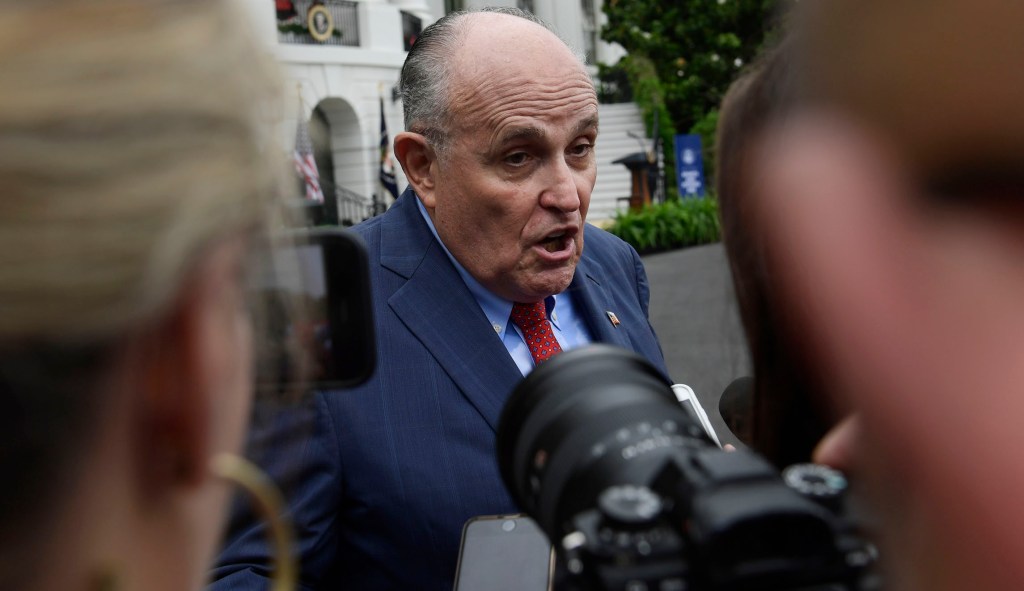
Trump’s personal attorneys only had minor issues with a proposal from Mueller’s office that would allow the president to provide some written answers as part of the federal Russia investigation, according to Rudy Giuliani.
“We came back to them with a few changes, but not material changes. We are now awaiting their response,” Giuliani, Trump’s lead outside lawyer, said Wednesday during an interview on CNN. “I’m hopeful that maybe we’re gonna get a yes, in which case we can probably move forward with written questions and see if that doesn’t satisfy them and satisfy us.”
The development suggests the two sides are nearing an agreement regarding the opportunity for Trump to defend himself in writing over allegations his campaign conspired with Russia before the 2016 election. Giuliani added, however, that there was still no consensus on a potential oral interview.
The prospect of Trump sitting down with federal prosecutors has been a point of contention for the probe for months. Trump has signaled his desire to speak with investigators, but his external legal counsel has expressed concern their client will expose himself to legal jeopardy if he misstates facts or lies.
Giuliani’s comments come after it was reported Tuesday that Mueller and his team are prepared to accept written responses to questions about Trump campaign ties to the Kremlin. The letter sent last week, however, reportedly did not address a possible obstruction of justice line of inquiry, particularly as it pertains to the president’s dismissal of then-FBI Director James Comey as he was leading an investigation into Trump and his associates. Mueller may be stymied in his quest to understand Trump’s motives behind Comey’s firing given the president can assert executive privilege over actions he has taken since inauguration.
Gauging Trump’s thoughts on various topics of interest to the investigation is believed to be one of the final steps before Mueller’s office compiles its findings for Deputy Attorney General Rod Rosenstein. Rosenstein then may release the report to Congress or the general public.