

When Democrats passed Obamacare in 2010, they beat their chests and bragged that the massive raft of mandates, subsidies, regulations, and spending hikes would be “paid for.” Their “pay-fors,” to use the parlance of Capitol Hill, included taxes on health insurers, employers, and the makers of medical devices.
If you know how Congress works, you’re not surprised by what’s happening in the bipartisan spending bill set to sail through Congress this week: All three taxes will be repealed, while Congress keeps in place the subsidies, handouts, and spending the taxes supposedly financed.
Recommended Stories



Although we like tax cuts, it’s dismaying to see Democrats dancing this age-old, swampy two-step. They pass their priority under a pretense, promising to prioritize resources and make sacrifices to pay for the goodies they want, then they scrap the part about sacrifice and paying for it. Congress regularly binges on fries and beer on a Friday night, justifying it by planning to exercise early Saturday knowing full well it will alter those plans come morning.
The “Cadillac tax,” a tax on gold-plated insurance packages, was more than a way to offset Obamacare’s $1.7 trillion-a-decade price tag. It was a rare provision in the law that could count as a “reform.” It helped mitigate a gross distortion in the tax code that helps make our healthcare system a mess. By combining high tax rates on income with special tax breaks, the U.S. tax code creates all sorts of perverse incentives. One example is the exclusion for employer-sponsored insurance. If your boss were to give you a $10,000 raise to help you pay off your home, the IRS would still tax you for that benefit. But if your boss pays $10,000 of your health insurance premiums, you get that benefit tax-free.
A very predictable consequence has been that employers buy much more comprehensive health insurance for their employees than the employees would ever consider buying themselves were they just paid in cash. Comprehensive health insurance is fine, but it also removes a lot of market discipline from healthcare. If everything is covered, people overuse care and don’t bother shopping for value. This drives up both prices and wait times.
The Cadillac tax would not have repealed that benefit, but it would have made it less valuable. By taxing employers that provide very comprehensive plans, it would have pushed more people toward plans that function more like insurance, covering unexpected costs rather than prepaid, all-you-can-eat healthcare plans. That would be reform.
And, of course, Congress couldn’t let that happen. Labor unions, for one thing, hated the provision, as many of them had negotiated for gold-plated plans. So, Congress never let the Cadillac tax go into effect, passing postponements regularly. Now, the spending bill before Congress will repeal the tax altogether.
The bill will also repeal the medical device tax and a health insurance fee. The repeal of these taxes is good in the abstract, but we can’t just ignore that they were supposed to pay for very specific spending programs that are staying in place.
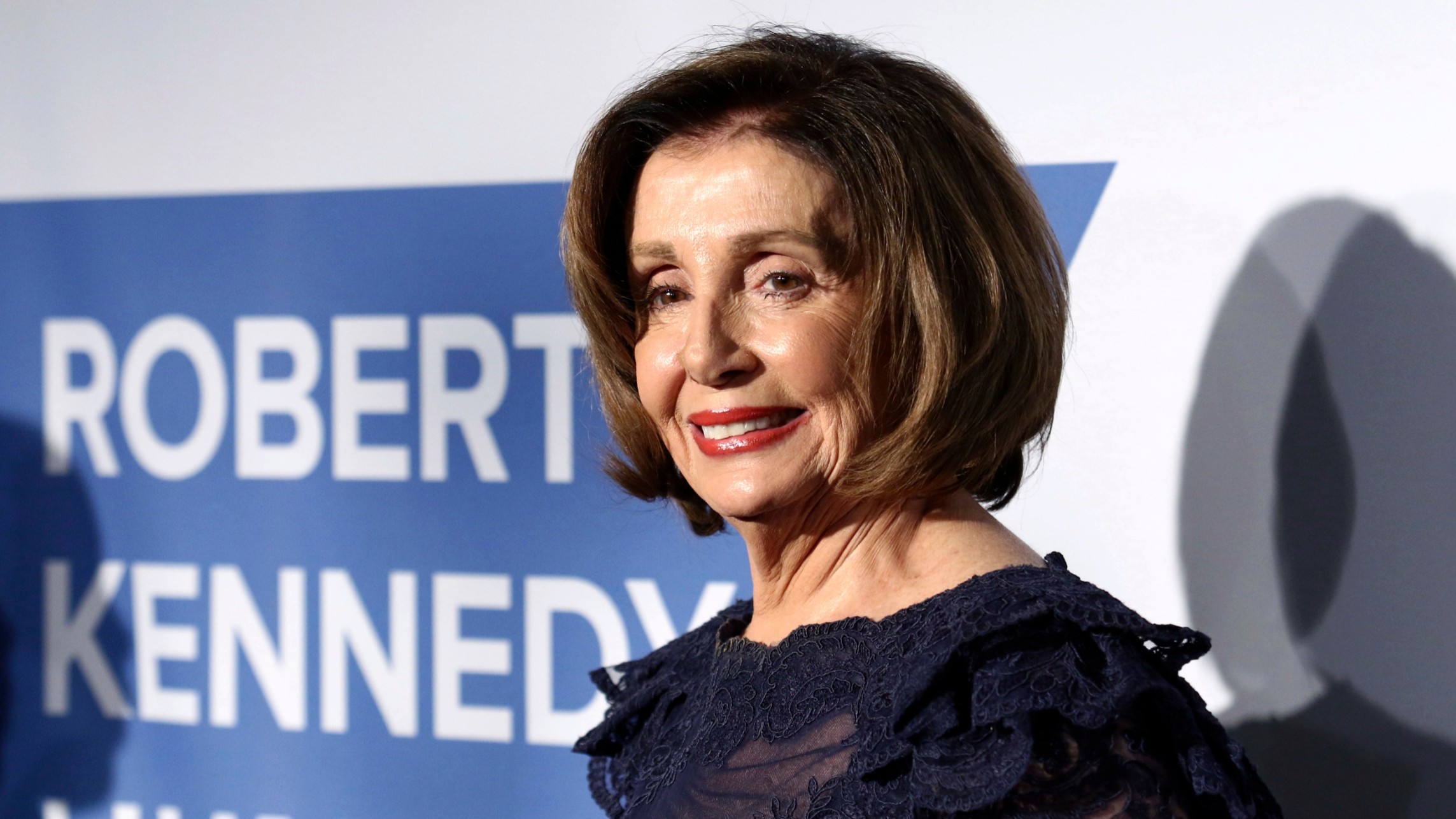
The next time Democratic leaders in Congress offer a deal, this week’s vote is worth keeping in mind: Nancy Pelosi will take what she wants, but don’t believe any of her promises about paying for it.
