

There is controversy over Tucker Carlson’s comments on women in combat. In response to Carlson’s words, the military took to Twitter and the Pentagon website to rebuke him. In turn, conservatives were outraged that the military was attacking a private citizen for his opinion.
Regardless of what one thinks of Carlson’s comments, there’s an important civil-military divide that, among other important principles, keeps our armed forces out of politics.
Recommended Stories


Even if one believes the talk show host’s segment was unfair or even dishonest, the response should come from other private citizens, not the military, which has a duty not to involve itself in domestic politics. This norm-breaking behavior, while disturbing, is far from the first time military leadership has stepped into the political arena. And when it does so, it is usually in ways that are even more consequential, such as seeking to protect budgets and prolong military conflicts abroad.
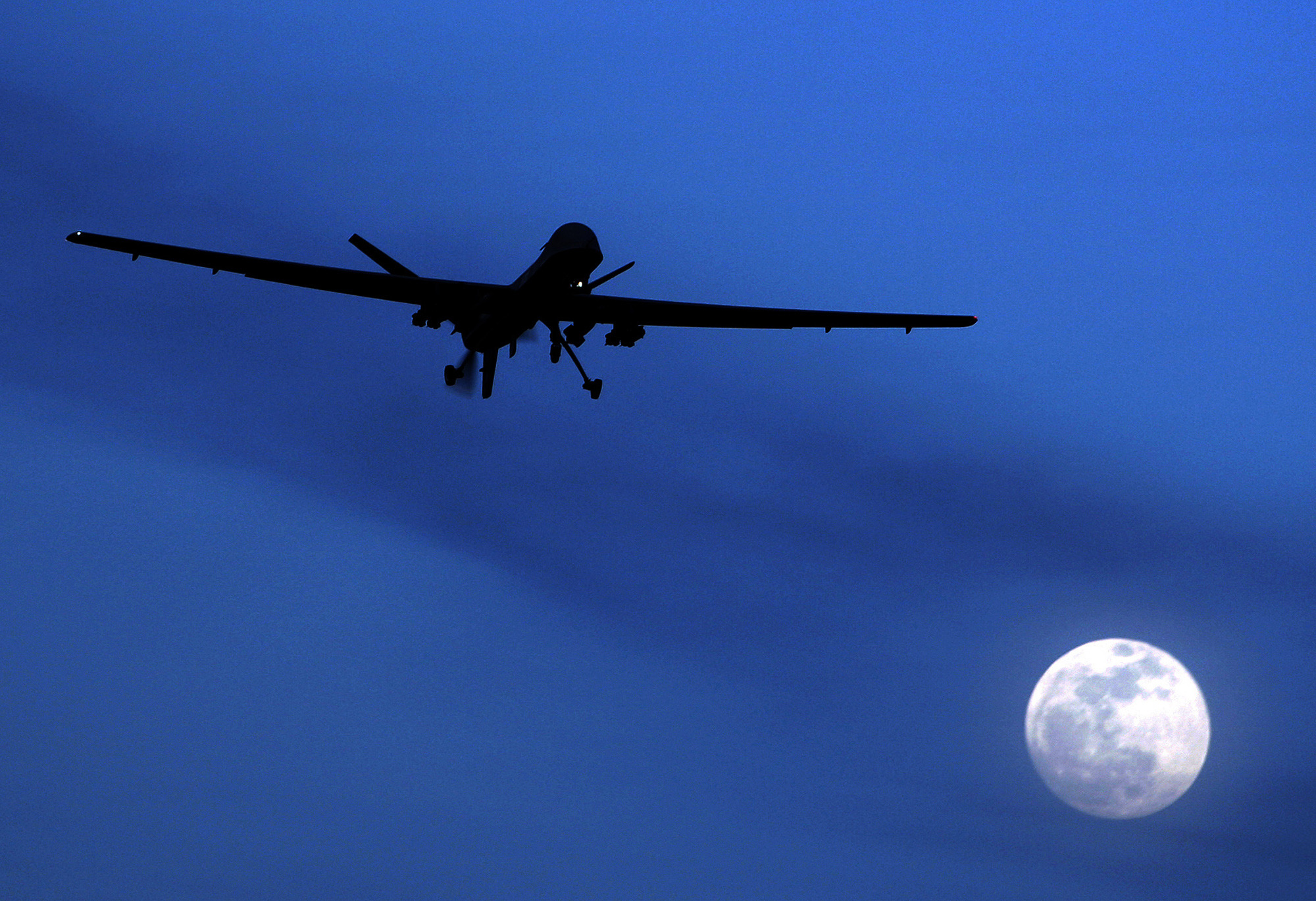
Just this weekend, the New York Times reported there were 1,000 more troops in Afghanistan than have been publicly acknowledged. Putting troops “off the books,” in which they work under the CIA or other agencies and their presence becomes classified, has apparently been normal practice in nations such as Syria, Yemen, and Mali. The Defense Department apparently considers it optional whether it even tells people about wars it is fighting on their behalf. There is not even a plausible security rationale for this sleight of hand.
During the Trump administration, for example, the U.S. envoy to Syria, James Jeffrey, bragged, “We were always playing shell games to not make clear to our leadership how many troops we had there.” Former President Donald Trump wanted out of Syria, and the Pentagon and top officials saw it as their job to make that as difficult as possible for him. Former President Barack Obama faced similar difficulties. In his memoir, Ben Rhodes, a top adviser, recalls the ways in which top generals, through their public comments and leaks to sympathetic journalists, did all they could to make sure the president sent more troops to Afghanistan. According to Obama himself, it was then-Vice President Joe Biden who pulled him aside during the debate over Afghanistan and warned, “One thing I know is when these generals are trying to box in a new president.”
The last two presidents both came into office skeptical about endless wars. Each faced resistance from a military that believed it should remain engaged in conflicts regardless.
The idea of civilian control over the military is fundamental to the American system of governance. So also is it unavoidable that Pentagon leaders will express their views in forums such as congressional hearings when questioned about what any particular policy will mean for American security. Their honesty and candor are essential for proper congressional oversight. At the same time, leaking classified information in the hopes of pressuring civilian leaders and using tricks to mislead the public or even the president himself should not be tolerated.
It is good to see public attention focused on the way Pentagon leadership has politicized the military. Yet, the Carlson controversy should not distract from the larger issue. Many people are sick of endless war, and their mission to move the U.S. toward a more restrained posture abroad requires not only convincing their fellow citizens but also taking on a Washington establishment, which includes top brass in the Pentagon, that seeks to perpetuate an unpopular and reckless foreign policy.
Richard Hanania is the president of the Center for the Study of Partisanship and Ideology and a research fellow at Defense Priorities. He holds a Ph.D. in political science from UCLA and JD from the University of Chicago. He tweets @RichardHanania.
