
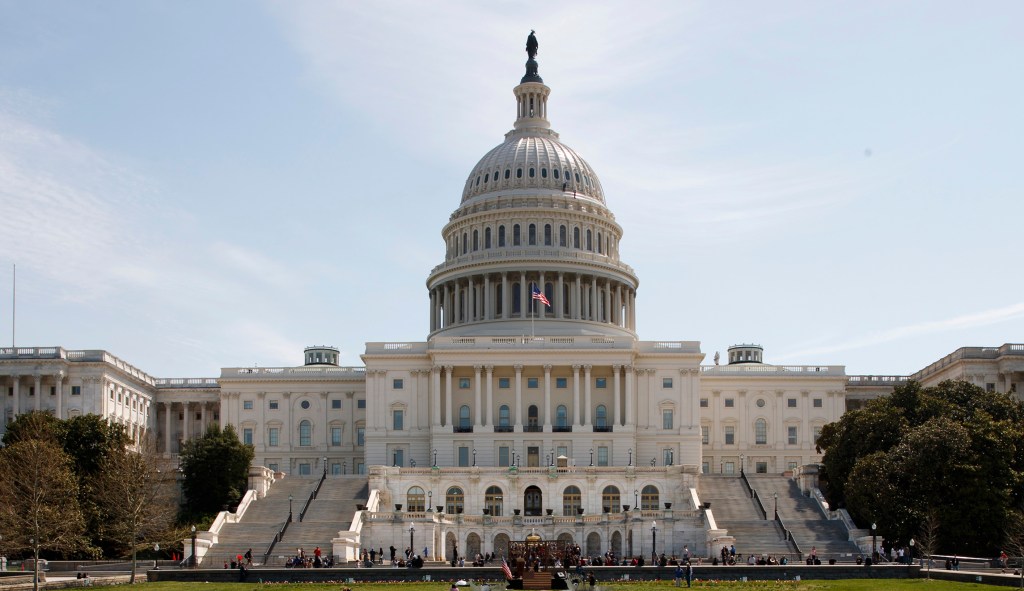
Confronted with the raging coronavirus pandemic, the response of political leaders has been twofold: Shut down the economy to slow the spread of the virus, and then spend trillions of dollars to cushion the blow to businesses and individuals. While it won’t be the focus of their attention now, this is sowing the seeds of the next crisis — the looming disaster of our federal debt.
Even before the current crisis hit, the United States was on shaky ground fiscally. Debt as a share of the economy was more than twice where it was before the Great Recession and at one of the highest points in history. Deficits were projected to be over $1 trillion as far as the eye could see, as President Trump, inheriting decades of fiscal recklessness, pursued a policy of cutting taxes and increasing spending without any attempt to grapple with entitlements. We have long warned that the inability to deal with the nation’s fundamental fiscal issues being driven by the increasing cost of healthcare and the growing number of retirees would come back to haunt us. Carrying large and growing deficits at a time when unemployment was at a 50-year low and the world was at relative peace was always going to leave us ill-equipped to handle an unexpected crisis.
Real journalism.Trusted by millions.
Unlimited access to in-depth reporting, expert analysis, and the stories that shape our country.
Already a member? Log in