

It’s unusual in this day of strong partisan loyalties for a member of Congress to refuse to support his party’s presidential nominee. But it’s happening this year: The fivethirtyeight.com contributor David Wasserman provides a guide to which Republican members have supported Donald Trump or have, so far at least, refused to do so, and with what level of enthusiasm. It’s well timed since one of the “hesitant holdouts,” Ted Cruz, previously known as Lyin’ Ted, will be speaking in prime time at the convention Wednesday night.
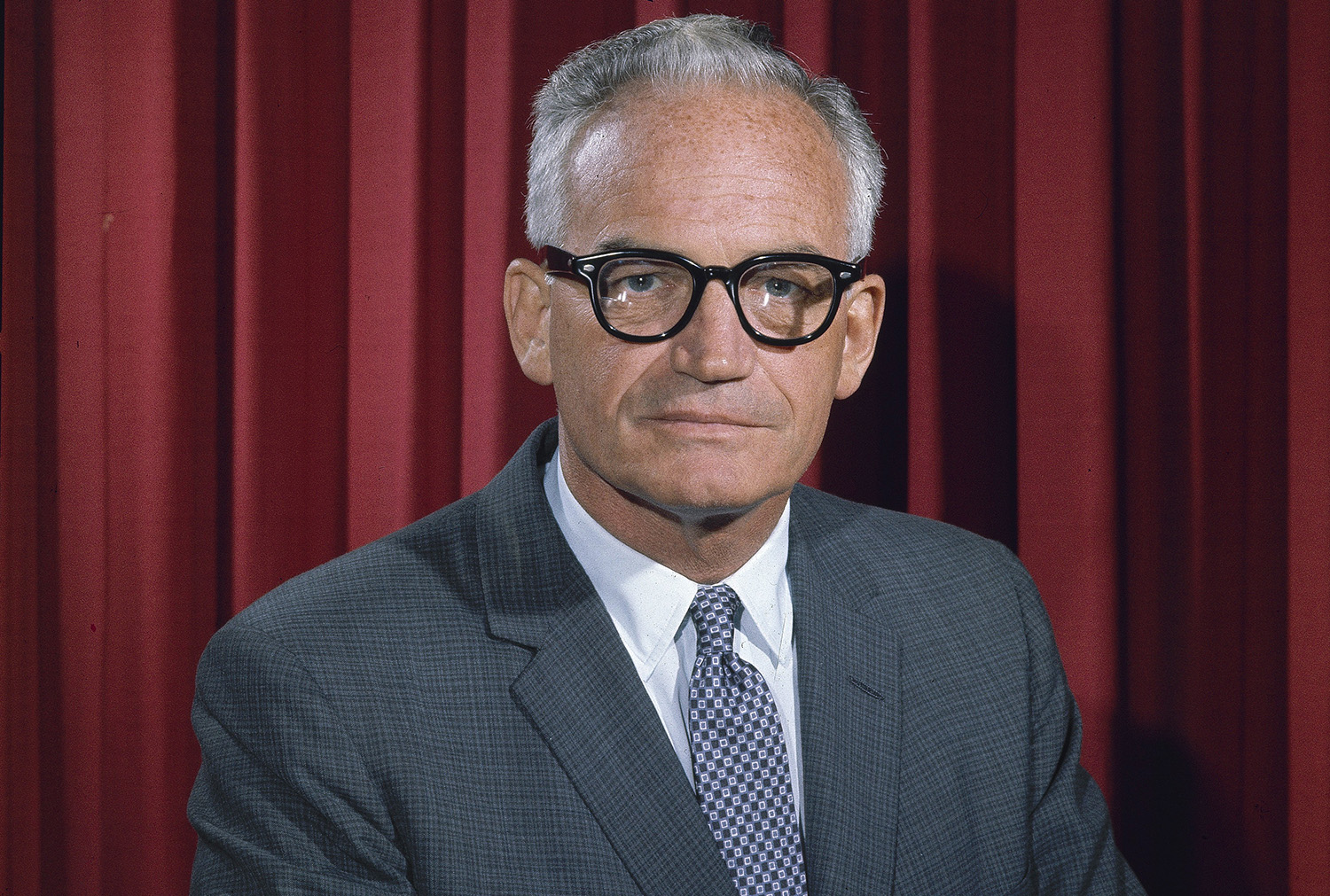
Not endorsing your party’s nominee was not always so unheard of. It used to be relatively common back in those good old days, yearned for by many high-minded political observers, when there were lots of liberal Republicans and conservative Democrats, years like 1964. When the Republicans nominated Barry Goldwater, many liberal Republicans declined to endorse him or made very clear their disagreements with and distaste for the nominee. At the Republican National Convention in San Francisco, when Gov. Nelson Rockefeller announced the vote of the New York delegation, he said there were five abstentions. As I recall from an old Murray Kempton column I can’t find on the Internet, when a reporter asked Rockefeller who cast the five abstain votes, he said, “Anyone who wants one.”
Stay informed.Stay ahead.
Join Washington Examiner for unlimited access to the news, analysis, and commentary that matter most.
Already a member? Log in
