

In a welcome development, there are new signs that at least some elements of the Iraqi army might move to confront Iranian-controlled militias.
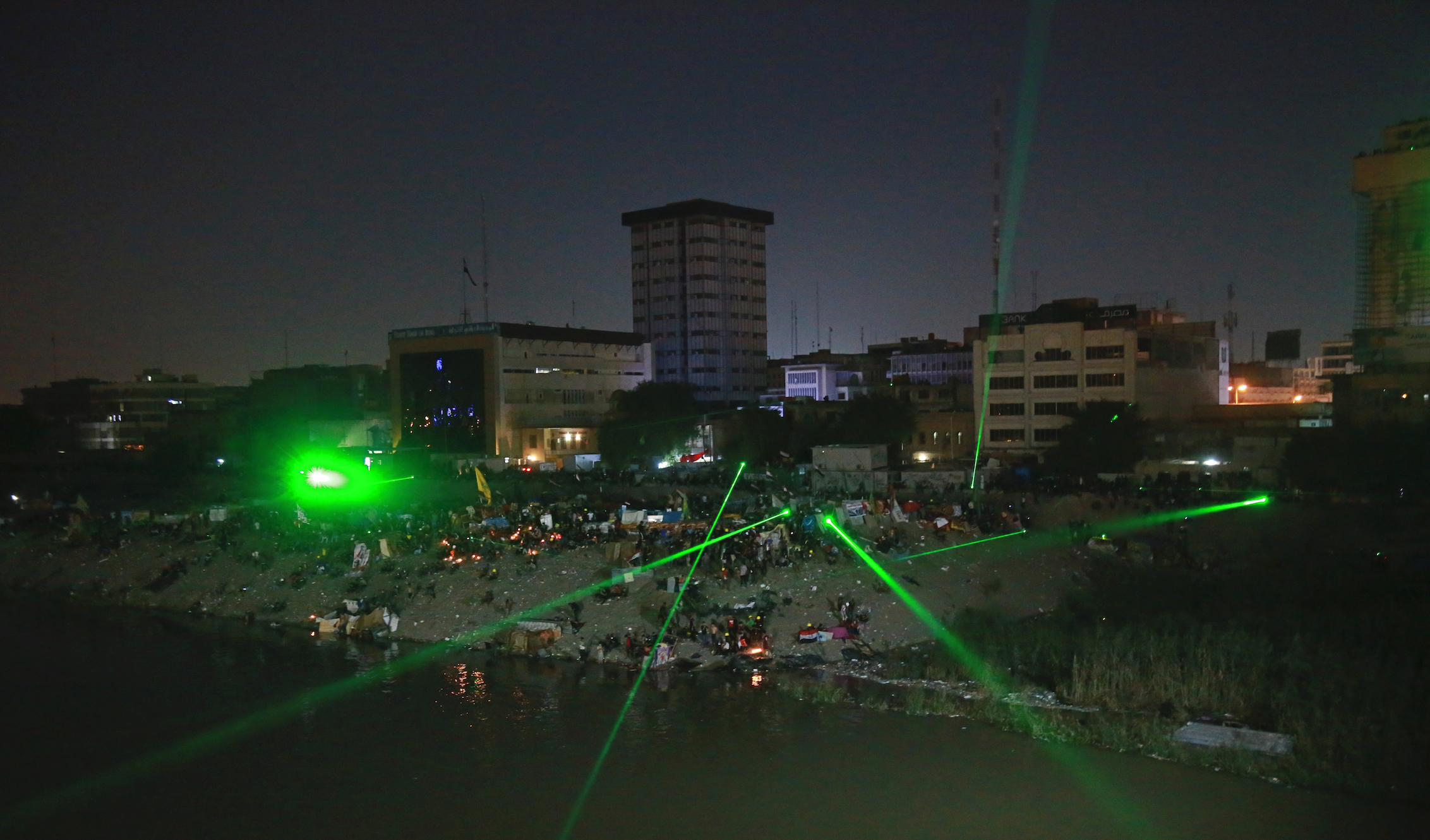
As protesters continue to take to Iraqi streets demanding government reform, the Iranian hardliners are growing more alarmed, because they see those protests for what they are: a multi-sectarian movement of predominantly young citizens seeking an end to sectarian corruption. Torching the Iranian consulate in one of the most holy cities in Shia Islam, Karbala, the protesters are offering a stinging rejection of Iran’s Khomeinist ideology. This re-appropriation of the Shia public space away from Iran is in the finest traditions of Arab uprisings.
Recommended Stories


But the protesters’ energy has Iran increasingly concerned. The Iranian hardliners are pushing hard for their militia subjects to pummel the protesters into submission. If it goes for broke, Iran will echo the Mongols in the 1258 Siege of Baghdad and see Iraqi blood run through the streets. International attention will be no obstacle to their murder: Khomeinism is ultimately built on brutal authoritarianism. Nearly 300 Iraqis have been gunned down since the protests began this summer.
But as I say, there is hope.
Perhaps finding inspiration from General Abdul Wahab al-Saadi, an Iraqi nationalist hero against ISIS (whose firing by Prime Minister Adel Abdul Mahdi helped spark the protests), Iraq’s military on Wednesday ordered its units not to use live ammunition in protest control operations. Major General Abdul Karim Khalaf told reporters that “To avoid any confusion, clear and strict instructions have been handed down that no live ammunition be used. Orders have also been given not allow any live ammunition on the scene [of protests].”
That order will greatly upset the Iranians. They had hoped the military would crush these protests and their leaders in order to maintain the pretense of a domestic Iraqi security operation against foreign saboteurs. But if the military grows weary of killing its fellow citizens, only Iran’s militia allies can pick up the slack. And if that happens, Iran’s violent imperialist aggression will be open for all to see.
At that point, this will become a crystal clear struggle between Iraq’s people and Iran’s despots. And if the militias start a massacre, Iraqi soldiers will have to choose between defending or abandoning their citizens.
Still, today’s development at least gives some small cause for hope.
