This past week marked the anniversary of the Columbine High School massacre, where on April 20, 1999, thirteen innocent lives were taken by two deranged gunmen. The very oldest members of the millennial generation were in high school in 1999, and Columbine shook us. It was too easy to imagine what it would be like if it happened at our school. Christian teens worldwide heard about “the girl who said, ‘Yes,'” when asked at gunpoint if she believed in God. Policies changed, but not necessarily around guns; trench coats were banned on many of our campuses, more schools reportedly use security cameras or have tighter perimeter controls.
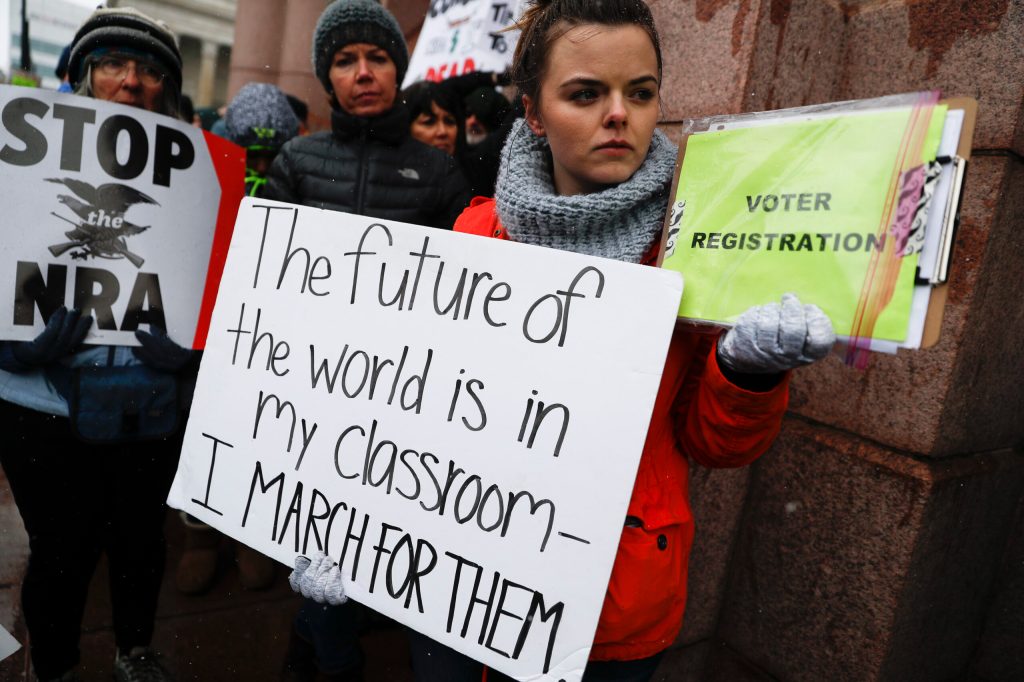
But Columbine was not the defining moment of political awakening for the millennial generation. (That grisly honor is more appropriately reserved for Sept. 11, though some millennials were still just elementary school students the day the towers fell.) Identifying any one moment as the single moment of “political awakening” for a generation is a challenge, but that has not stopped many from suggesting the tragic shooting at Marjory Stoneman Douglas is the “awakening” for Generation Z.