

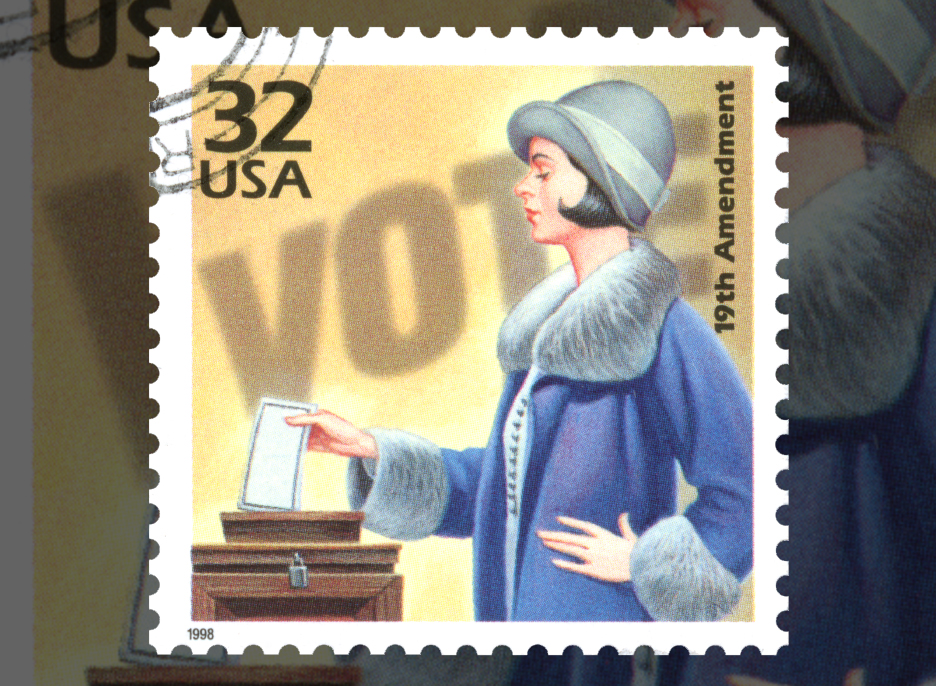
Republican presidential candidates haven’t had the best luck with young, unmarried women in the past couple of elections. That has to change if they hope to retake the Oval Office in 2016 or beyond — especially if Hillary Clinton decides to run, when the 2012/2014 “war on women” narrative will be brought off the shelf, dusted off and used to beat Republicans over the head.
So far, the GOP field of presidential hopefuls is pretty testosterone-laden, with former Florida Gov. Jeb Bush, perennial candidate Mitt Romney, former talk radio host Mike Huckabee, retired neurosurgeon Ben Carson, current Govs. Scott Walker, Rick Perry, John Kasich, Bobby Jindal and Chris Christie, current Sens. Rand Paul, Marco Rubio and Ted Cruz and maybe even Rick Santorum all vying for votes.
Recommended Stories


That’s a lot of men on the Republican side. One woman, former Hewlett-Packard CEO Carly Fiorina, appears to also be mounting a campaign. That’s 13 men and one woman. To be fair, Democrats may have only two women run (although Sen. Elizabeth Warren has said she won’t), but so far it also looks like four or five Democratic men may be lining up to run. And given that the GOP’s Fiorina is a longshot candidate, while Clinton and Warren are both top-tier candidates on the Left, it’s clear Republicans are really going to have to focus their messaging.
There’s no guarantee that even if Clinton is the eventual Democratic nominee that the broad coalition of young people, especially young women, built by President Obama and his campaign team will come out in 2016. But they might, and the GOP can’t take the chance.
The key, I believe, to the GOP’s messaging problem has been mostly due to lack of solutions. We saw the exception to this in 2014, when then-Rep. Cory Gardner, R-Colo., instead of playing constant defense against then-Sen. Mark Udall’s attacks on women’s issues, fought back by proposing an actual solution to the problem he was accused of creating. Udall claimed Gardner wanted to ban contraception, so Gardner proposed a plan that would make women’s contraception available over-the-counter. That, in part, helped Gardner to victory.
The other part of that equation was Gardner’s refusal to let Udall define him as a candidate. At a conservative women’s panel last July, former Rep. Marilyn Musgrave, who now works for the Susan B. Anthony List, spoke about the need for Republican candidates to not allow the Left define their positions.
“If you let the other side define you early on these issues and scare women into thinking they’re not going to have access to contraception — you’re in trouble right away,” Musgrave said.
Musgrave also suggested at the time that GOP candidates force Democrats to define their own positions. Currently, the focus has been on where Republicans stand on abortion, but rarely are Democrats asked about how far they take their position. For example, Americans — including a majority of women — have consistently said they disapprove of late-term abortions. Allowing Democrats to claim they are simply “pro-choice” without any qualifiers is a lost opportunity.
Personally, I’d rather see 2016 candidates stay away from social issues if possible, since jobs and the economy are always the voters’ top priorities. Yet wedge issues continue to dominate the conversation.
So the 2016 hopefuls need to define their positions on wedge issues early on, so that no one else can, and then move on to the big picture. Women are more than our ovaries. We can understand economics and foreign policy issues too — don’t treat us like we can’t.
