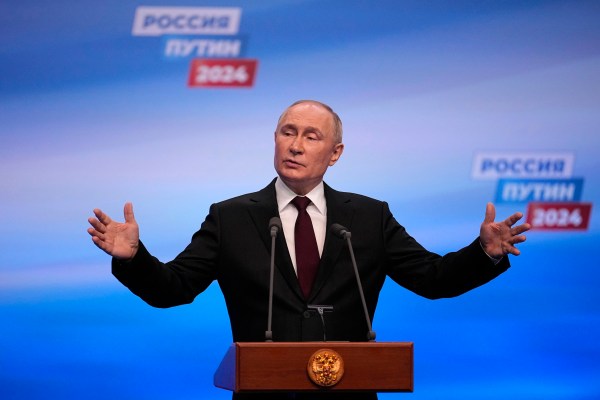
For a brief moment in the late 1990s and early 2000s, it looked as if Russia was on the road toward becoming a free and democratic society. Boris Yeltsin was palling around with Bill Clinton, and George W. Bush took such a liking to Vladimir Putin that he declared that he had looked into Putin’s eyes and saw his soul. The feeling appeared to be mutual. After 9/11, Putin pledged his support to President Bush and stated that he stood with the United States.
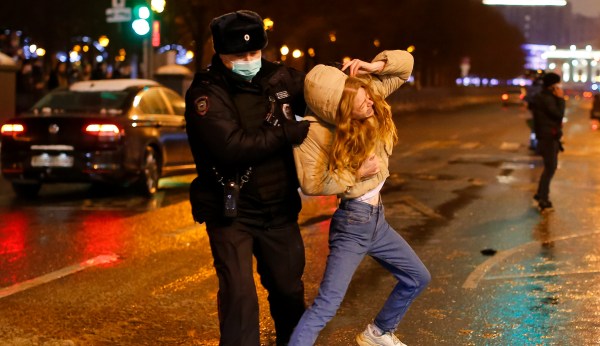
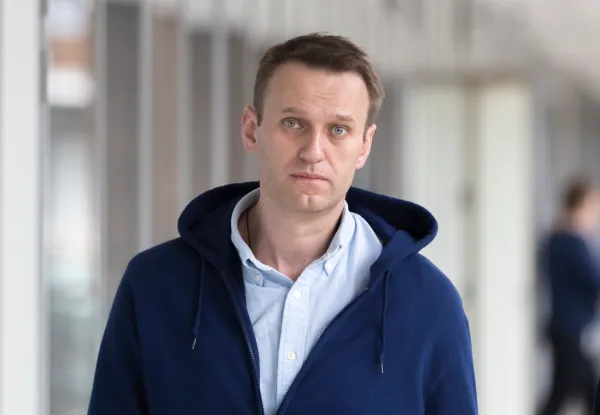
Putin’s tenor, however, began to change over the next several years. The Russian president began lacing his speeches abroad with sharp anti-Western and anti-U.S. rhetoric while harshly clamping down on dissent at home. During these years, Putin also launched a series of invasions around Europe and Central Asia: Georgia in 2008, Crimea in 2014, and, almost two years ago exactly, Ukraine. The death of Alexei Navalny, Putin’s most outspoken critic, in an Arctic Circle penal colony this past week is a chilling nadir for this repressive era in Russian history, and — as a death that there is “no doubt” that Putin is responsible for, according to the current U.S. president — stands as one of the worst of the Russian president’s ever-expanding catalog of international and domestic crimes.