<mediadc-video-embed data-state="{"cms.site.owner":{"_ref":"00000161-3486-d333-a9e9-76c6fbf30000","_type":"00000161-3461-dd66-ab67-fd6b93390000"},"cms.content.publishDate":1658683481703,"cms.content.publishUser":{"_ref":"0000017b-3108-d928-a77f-73ccd2e60000","_type":"00000161-3461-dd66-ab67-fd6b933a0007"},"cms.content.updateDate":1658683481703,"cms.content.updateUser":{"_ref":"0000017b-3108-d928-a77f-73ccd2e60000","_type":"00000161-3461-dd66-ab67-fd6b933a0007"},"rawHtml":"
var _bp = _bp||[]; _bp.push({ "div": "Brid_58683471", "obj": {"id":"27789","width":"16","height":"9","video":"1058771"} }); ","_id":"00000182-313d-d605-a9bb-753f50f00000","_type":"2f5a8339-a89a-3738-9cd2-3ddf0c8da574"}”>Video Embed
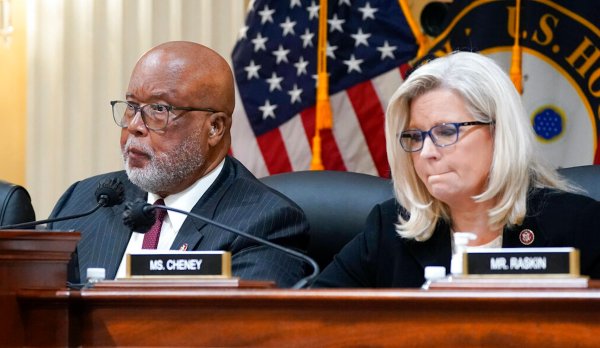
It is still unclear what exactly Speaker Nancy Pelosi’s (D-CA) Jan. 6 committee is trying to accomplish, but a bipartisan group of 16 senators proved this week the body’s work is not necessary to reach real, productive, commonsense electoral reform.