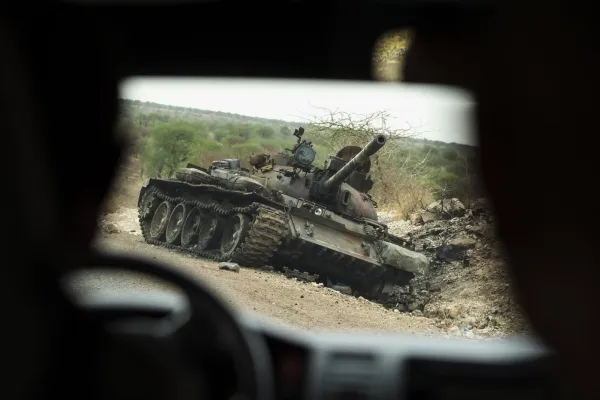
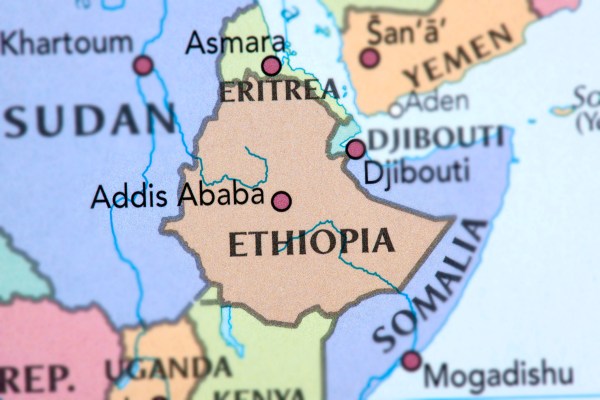
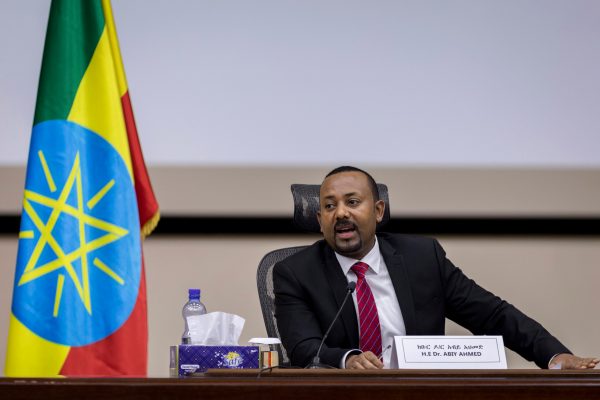
When hostilities erupted between the Ethiopian central government and the elected leadership in the Tigray nearly two years ago, Eritrea sent some troops in, more to pillage and rape than to achieve any strategic objective. That changed yesterday. Eritrean forces along the entirety of their frontier poured into Tigray. Whether or not Ethiopian Prime Minister Abiy Ahmed chooses to defend Ethiopian sovereign territory, Eritrea’s actions represent an invasion of a neighboring state. The United States took no action diplomatically or otherwise to head off or warn against military action by a rogue state that could destabilize the entirety of the Horn of Africa. The open question is whether the U.S. intelligence community knew about Eritrean President Isaias Afwerki’s plans in advance or whether his attack caught the U.S. government by surprise.
It is a question that Congress should answer. Missing Eritrea’s invasion of Ethiopia, after all, is just the latest example of the United States seemingly being caught unaware when war erupts. In September 2020, Azerbaijan attacked Nagorno-Karabakh. Up until Azerbaijani rockets and airstrikes blanketed the territory, U.S. diplomats involved in the Organization for Security and Cooperation in Europe’s Minsk Group process believed they were on the verge of an agreement. That episode also caught Washington by surprise. To date, neither the State Department nor the intelligence community have explained whether the surprise was due to an intelligence failure, bureaucratic inefficiencies preventing the intelligence from reaching decision-makers, or a failure of decision-making in the White House.