

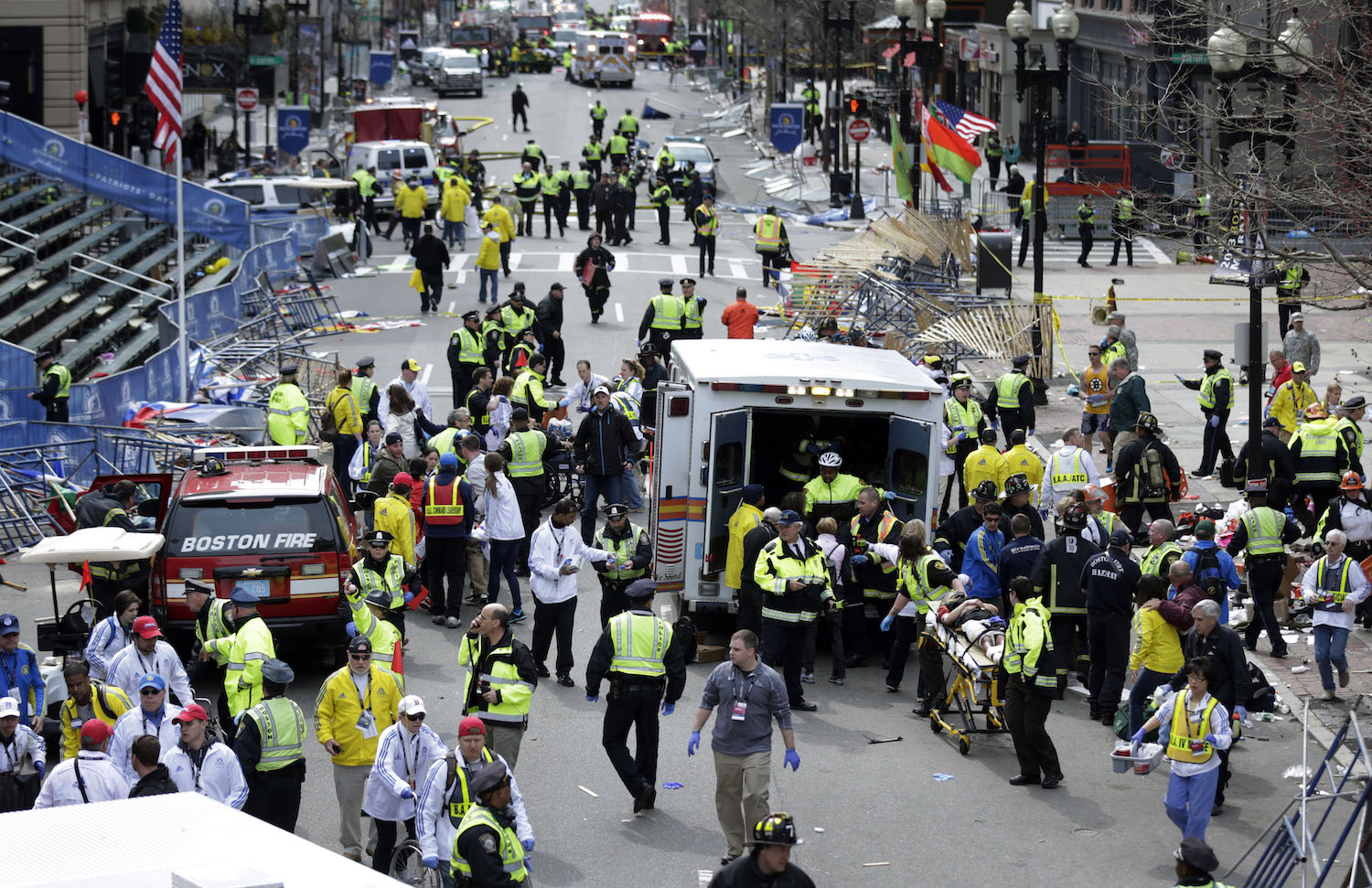
“It’s important to understand that terrorism is psychological warfare,” says Edward Orehek, a psychology professor at the University of Pittsburgh. Terrorism is an effort to reach political objectives by inspiring fear. Yet terrorists aim not only to kill but also to disrupt ordinary life. Are they succeeding?
Many pundits try to gauge the public mood after an attack, and it often seems that one’s guess is as good as another’s. Is the citizenry defiant, resigned, or intimidated? Terrorists choose their targets not based on military or political importance, but rather emotional and visceral impact. If there is no emotional response, terrorism cannot achieve its desired outcomes.
Recommended Stories


These events are felt around the world as images and videos of the aftermath pour through mass communication channels. Pictures of the aftermath of bombings and other atrocities are rarely absent from the media. The major outlets will always report extensively on any terrorist incident, and one can easily spend several hours a day watching, reading, and listening to wall-to-wall coverage. The success of a terrorist attack is wholly dependent on the media showing the images, giving the attack a worldwide venue. In such a context, it would be natural to expect that the fear and threat of terrorism would have a crippling psychological effect on society.
Read the rest of the piece at OpsLens.
Dr. Katherine (Kat) Harris is an OpsLens contributor, a veteran spouse, expat, and former military contractor with over 20 years of expertise in military/family transition, career counseling, higher education, organizational strategic planning, and international relations.
If you would like to write an op-ed for the Washington Examiner, please read our guidelines on submissions here.
