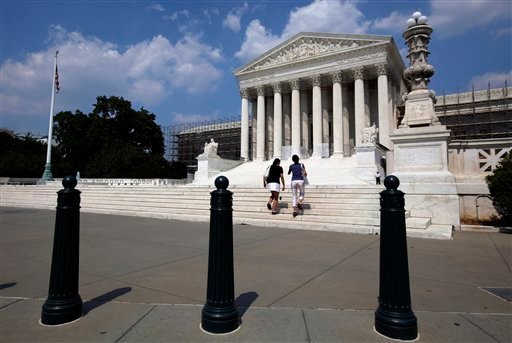
On Thursday, the Supreme Court held in American Legion v. American Humanist Ass’n, that Prince George County, Md., could leave standing a 32-foot-tall Latin cross that had been erected in 1925 to memorialize the sacrifice of local soldiers killed in World War I. Nearly 90 years after a Catholic priest and a Baptist pastor offered prayers during the dedication ceremony for this cross (known popularly as the Bladensburg Cross), the American Humanist Association sued in an attempt to force its removal. The display of the cross on public lands, and the use of government funds to maintain the monument, the humanists claimed, violated the federal constitution’s Establishment Clause.
In a 7-2 decision, the Supreme Court rejected the Establishment Clause challenge. In doing so, a majority of the justices also clarified that the much-maligned Lemon test no longer governs cases involving religiously expressive monuments, symbols, or displays.